

KUALA LUMPUR, May 8 — Malaysia is witnessing a significant transformation in its food production landscape as industry leaders, retailers, producers, and advocacy organisations increasingly embrace better welfare and sustainable sourcing practices.
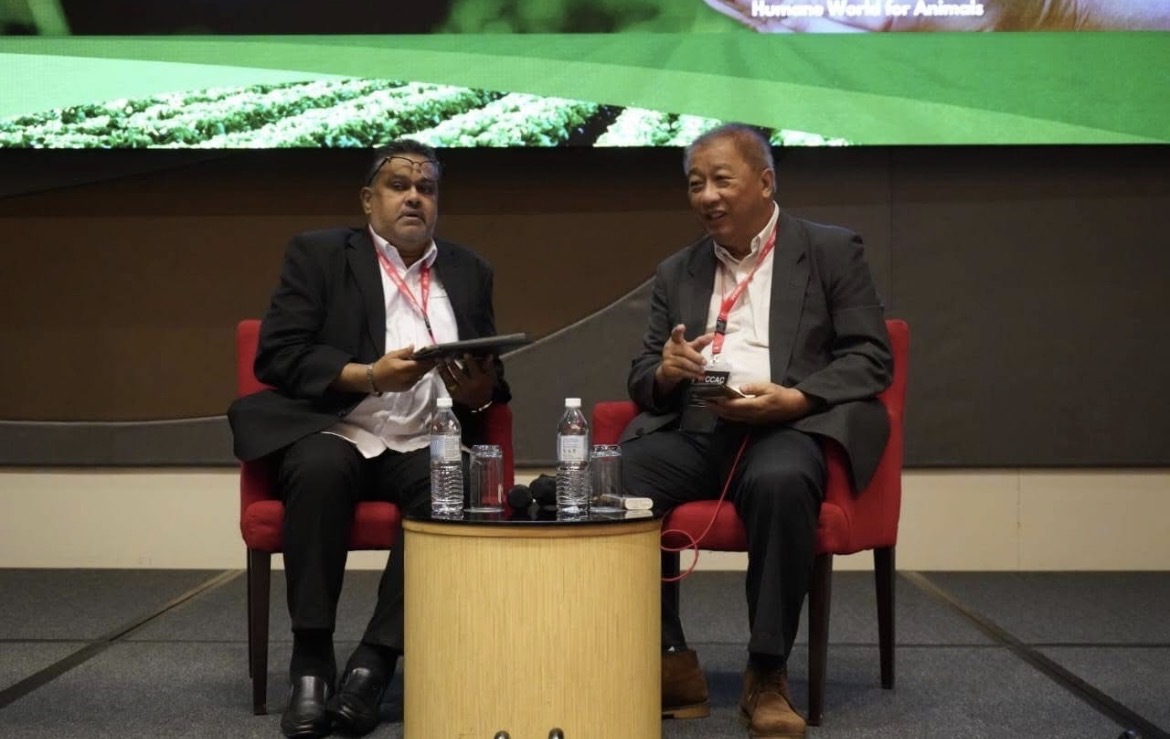
This progress was highlighted during an impactful fireside chat session at the Next Gen Food Summit 3.0: Reimagining the Future of Food, held at Wyndham Grand Bangsar, Kuala Lumpur.
The session featured Dr Saravanakumar S. Pillai, Senior Principal, Policy and Engagement for Farm Animal Welfare and Protection at Humane World for Animals, together with Khoo Hock Aun, spokesperson of the Malaysia Cage-Free Egg Producers Organisation (MCFEPO), where both speakers discussed the future of responsible food production and the growing movement toward cage-free systems in Malaysia.
The fireside conversation focused on how next-generation consumers are reshaping food systems by demanding greater transparency, sustainability, and accountability in the sourcing and production of food products.
Dr Saravanakumar noted that Malaysia has already made measurable progress in advancing better-welfare food production systems.
“Malaysia is steadily moving toward a more responsible and sustainable food production ecosystem. The increasing adoption of cage-free systems reflects a growing understanding that animal welfare, sustainability, food safety, and business resilience are interconnected. Consumers today want food that is ethically and responsibly produced,” he said.
He added that the advancement of welfare-certified production systems in Malaysia demonstrates that the industry is capable of balancing productivity with humane and sustainable farming practices.
The session highlighted the growing number of farms and producers in Malaysia obtaining internationally recognised better welfare certifications, including Certified Humane standards across egg production, broiler production, and dairy systems. These developments reflect the increasing commitment of Malaysian producers toward accountability, transparency, and continuous welfare improvements within the food supply chain.
Khoo Hock Aun emphasized that the Malaysian cage-free movement has progressed substantially over the past few years through collaboration between producers, retailers, NGOs, food companies, and consumers.
“The progress we see today is the result of collective effort and industry willingness to evolve. Cage-free advocacy is no longer only about animal welfare , it is about future-proofing food production, meeting market expectations, and building consumer trust. Malaysia is moving in the right direction, and more producers are recognising the value of responsible production systems,” said Khoo.
The speakers also acknowledged the important role played by retailers in accelerating the transition toward higher welfare products in Malaysia. Major retailers such as Jaya Grocer and AEON have increasingly made better welfare food products available to Malaysian consumers, reflecting growing market demand for responsibly sourced food products.
This includes greater shelf availability of cage-free eggs, welfare-certified products, and sustainably sourced food items that allow consumers to make more informed and ethical purchasing decisions.
During the session, both speakers stressed that the way forward for Malaysia’s food industry lies in strengthening collaboration between policymakers, producers, retailers, civil society organisations, and consumers.
They emphasised the importance of expanding cage-free farming systems, increasing industry adoption of welfare certifications, supporting farmers through practical transition pathways, and enhancing consumer education and awareness.
The discussion also highlighted the growing importance of Environmental, Social and Governance (ESG) commitments and the need to build resilient, transparent, and sustainable food supply chains for future generations.
Both speakers reiterated that sustainability and responsibility must become central pillars in the future of food production. They emphasized that improving animal welfare standards contributes not only to ethical outcomes but also to better food safety, environmental stewardship, supply chain resilience, and long-term business sustainability.
The fireside chat concluded with a strong call for continued collaboration and innovation to accelerate Malaysia’s journey toward a more humane, sustainable, and accountable food production system.
As Malaysia continues to advance its cage-free advocacy efforts, the country is increasingly positioning itself as an emerging regional leader in responsible food production and sustainable sourcing practices.
This article was written by Dr Saravanakumar.


