

KUALA LUMPUR, March 18 — Higher fertiliser costs driven by disruptions to global supply chains amid the Iran conflict may push up food prices in Malaysia, experts warn, even though short-term supplies remain stable.
Prof Fatimah Mohamed Arshad, a research fellow at the Laboratory of Agricultural and Food Policy Studies, Universiti Putra Malaysia (UPM), said the Strait of Hormuz is a critical maritime chokepoint for fertiliser exports from major Gulf producers, with significant implications for Malaysia’s import-dependent agricultural sector.
Fatimah noted that about a third of Malaysia’s fertiliser imports pass through the Strait of Hormuz, exposing the country to supply disruptions and price volatility.
Globally, the chokepoint handles a substantial share of fertiliser trade, including urea, sulphur, and ammonia.
“The impact on Malaysia includes an increase in fertiliser price due to disruption of supply from the country of origin in the Middle East. The price of fertiliser is high due to competition among importers, as well as demand for fertiliser being seasonal in nature or time-critical, particularly during the planting season. Unlike oil, fertiliser has no reserves,” Fatimah told CodeBlue in a statement today.
“There will also be shortages of fertiliser due to delayed shipments and high fertiliser cost.”
Fertiliser Disruption From Iran War Risks Lower Crop Yields
Fatimah warned that higher fertiliser costs and potential shortages could reduce usage among farmers, leading to lower agricultural output.
“The high cost and shortage of fertiliser induce lower usage of fertiliser, which may lead to a reduction in agricultural production. Lesser fertiliser results in lower yield, particularly for rice, and hence lower SSL (self-sufficiency level) and greater import. Similar effects are expected for other crops such as fruits and vegetables,” she said.
Fertiliser prices have surged ahead of key planting seasons, with tightening global supply adding pressure on farm production and food prices.
The Guardian reported last Saturday that Yara International chief executive Svein Tore Holsether warned a prolonged Iran war could disrupt global food supplies, with fertiliser shortages potentially cutting crop yields by up to 50 per cent. Yara is the world’s largest producer of nitrogen-based fertilisers.
While Malaysia’s food supply is expected to remain stable in the short term due to diversified import sources and existing buffer stocks, Fatimah cautioned that prolonged disruptions could have broader consequences.
“In the short term, Malaysia’s food supply and hence food security are expected to remain stable. As for rice, which is the staple food of the population, the buffer stock could last between five to seven months,” she said.
Feed And Fuel Cost Surge From Iran War Set To Drive Up Malaysia’s Food Prices
Fatimah said global price shocks are already affecting key agricultural commodities such as corn and soybeans, which are critical inputs for animal feed.
She warned that Malaysia’s heavy reliance on imported feed inputs would translate directly into higher prices for staple proteins.
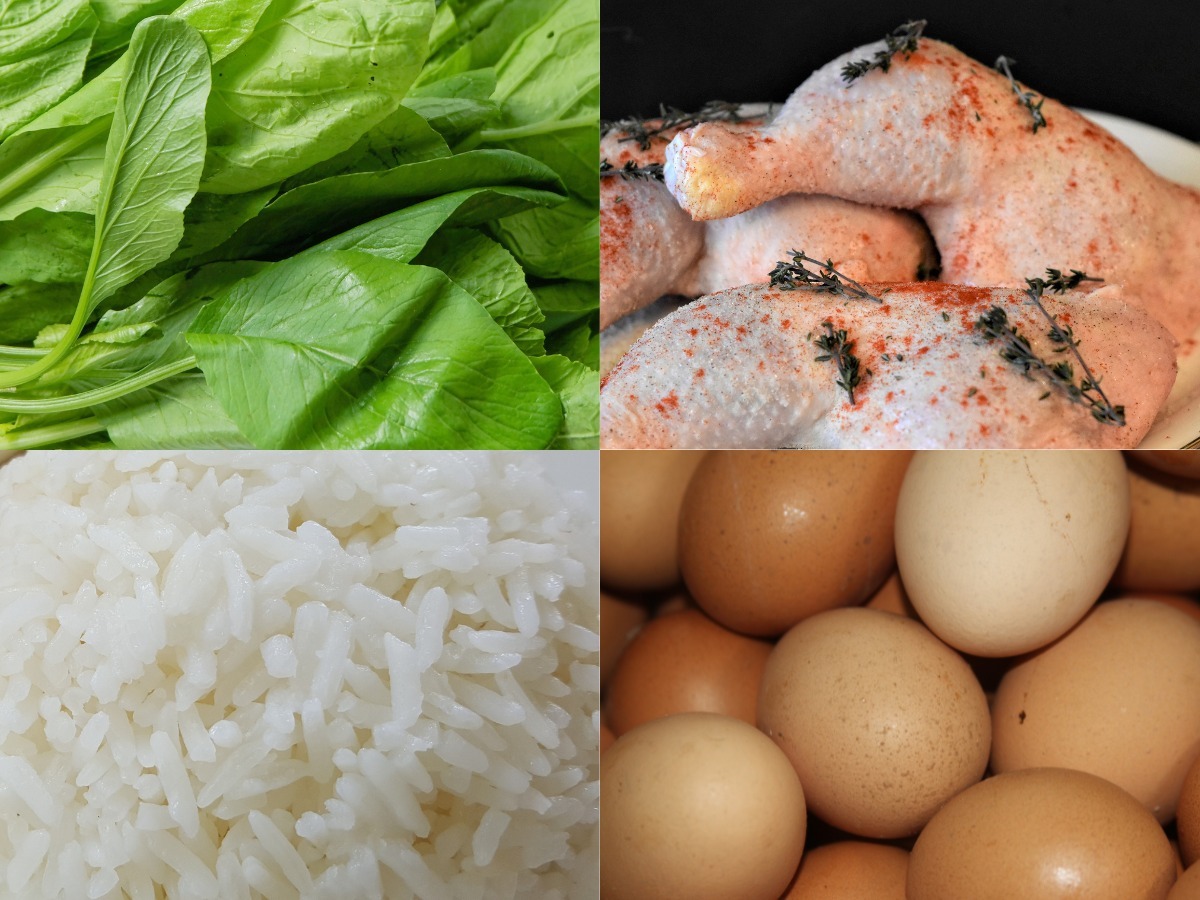
“Malaysia imports large amounts of wheat for flour, bread, and noodles, as well as animal feed such as corn and soybean meal. If global prices rise, chicken and egg prices will increase and flour-based foods will become more expensive,” Fatimah said.
She added that rising global oil prices linked to disruptions in the Strait of Hormuz would further compound cost pressures across the agricultural sector.
“The impact of high oil prices includes an increase in fertiliser prices and hence, the cost of production. The reduction in fertiliser use causes lower yield and hence lower production, while there is also an increase in the cost of transportation, diesel fuel for tractors and irrigation pumps, and overall logistics costs,” Fatimah said.
BBC reported that crude oil, a key component of petrol and diesel, has surged since the war began, with Brent rising from about US$73 (RM285.58) to over US$100 (RM391.10) per barrel, adding to cost pressures across transport, agriculture, and food production.
Fatimah said these combined pressures would raise farm production costs and ultimately be passed on to consumers.
“This will increase the cost of farm production and transportation, and hence the retail price of food to consumers. Lower production due to lower usage of fertiliser, in the face of increasing consumption, may create inflationary impact on the economy.”
Fatimah added that similar shocks in other countries could reduce exportable food supply, further driving up global prices.
“Other countries may experience a similar phenomenon, which reduces their exportable surplus and leads to higher export prices of their food and commodities.”
Iran War Exposes Malaysia’s Food Import Dependence As Global Prices Rise
Fatimah said Malaysia’s status as a net food importer leaves it vulnerable to global supply and price shocks, with implications for trade balances and household costs.
“Since Malaysia is largely a net food importer, this will widen its trade deficit as food becomes more expensive,” Fatimah said.
Malaysia imports about 60 per cent of its food, including staples such as rice and meat, according to Agriculture and Food Security Minister Mohamad Sabu, who told the Dewan Negara in December that structural constraints have limited domestic production.
Limited farming land, an ageing agricultural workforce, and high production costs have weakened local output, while input costs have surged. Fertiliser prices rose from about RM85 to RM100 per 50kg bag in 2023 to as high as RM213 in 2024, while animal feed costs such as grain corn increased by more than 100 per cent.
These pressures, combined with cheaper imported meat, have reinforced Malaysia’s dependence on imports and its vulnerability to global price shocks.
Fatimah warned that prolonged disruptions could have wider macroeconomic consequences.
“Prolonged war could create global stagflation, with high inflation and slow growth. This means Malaysia will face higher food prices, greater pressure on low-income households, increased government subsidies for food or fuel, and higher imports of food and agricultural inputs,” she said.
Blanket Subsidies ‘Wasteful’ Amid Food System Shock, Says Galen Centre
Galen Centre for Health and Social Policy chief executive Azrul Mohd Khalib said the current crisis highlights the need for more targeted and efficient policy responses, rather than broad-based subsidies.
“The government should focus on targeted support, not blanket subsidies or spending,” Azrul told CodeBlue. “That means helping the most affected producers, easing supply bottlenecks, improving access to working capital, and protecting vulnerable households without wasting public funds on broad-based subsidies.”
He said the overlapping shocks from fuel, fertiliser, and feed costs expose structural weaknesses in Malaysia’s current approach to food system support.
“This shows the limits of relying on broad subsidies and ad hoc intervention. Malaysia needs a more resilient and long-term food security strategy that supports production, improves efficiency, and targets help where it is most needed,” Azrul said.
Azrul added that the lack of earlier investment is now constraining Malaysia’s ability to respond effectively. “Unfortunately, we needed the investments to have been made around a decade ago for them to be useful for us today.”
Prime Minister Anwar Ibrahim announced last week that the government is maintaining the BUDI95 targeted subsidy, keeping RON95 petrol at RM1.99 per litre despite surging global oil prices sparked by the Iran conflict.
While monthly fuel subsidies have risen to RM3.2 billion, the government aims to support the public, though costs could reach RM24 billion by year-end if the crisis persists.
Malaysia Must Expand Food Reserves, Support Farmers Amid Iran War Shock
Fatimah said fertiliser costs should be the top policy priority given their “direct impact” on crop yields and called for both immediate and long-term measures to strengthen resilience.
“Malaysia should expand national food stockpiles to buffer against global supply disruptions,” she said, adding that this includes increasing rice buffer stocks and maintaining reserves for key items such as wheat flour, cooking oil, and animal feed.
Fatimah also urged targeted support for farmers, including temporary subsidies for fertilisers and diesel, low-interest agricultural loans, and expanded government assistance programs.
In the longer term, she said Malaysia must reduce dependence on imported inputs and food by investing in domestic production, diversifying import sources, and strengthening regional cooperation.
“Malaysia should promote alternative feed ingredients such as palm kernel cake, cassava, and insects, expand local feed crop cultivation, strengthen trade with Asean partners, and invest in domestic food production,” she added.
Iran War Cost Shock To Hit Food Chain From Farm To Table, Says Monash Expert
Prof Siow Lee Fong, deputy head of school (education) at the School of Science, Monash University Malaysia, said rising input costs would affect not just farms but the entire food system, including manufacturing, supply chains, retail, and food service.
“Primary production, including agriculture, fisheries, and livestock production, as well as food manufacturing, the food supply chain, retail, and food service, are among the sectors likely to be exposed to these input cost pressures,” Siow told CodeBlue in an email response.
She warned that efforts by producers to adapt could still result in higher costs and lower output.
“Farmers, livestock producers, and importers may need to find alternatives to diesel, fertilisers, and animal feed to sustain their operations. These alternatives may require further adjustments in manufacturing processes and are likely to increase production costs,” Siow said.
“In addition, production volume may be affected, causing lower supply of goods. When there is a shortage of goods or food, prices will increase.”
Siow said the impact on consumers could be swift, as higher input costs typically translate almost directly into higher food prices.
She added that while subsidies and price controls may be necessary in the short term, they are not sustainable in the long run.
“The Malaysian government will be required to continue supporting fuel subsidies and price controls on basic staple items such as flour and cooking oil to cushion the impact on food production and prices. However, this is only a short-term solution, as the government’s debt continues to increase,” Siow said.
Siow called for structural reforms to improve long-term resilience, noting that strategies such as reducing food waste are required to strengthen food supply resilience.
“Vertical farming and digital agriculture can increase domestic production for self-sufficiency. It is essential to reduce imports, grow vegetables locally, raise fish in ponds, and rear livestock domestically. Sustainable food production leads to stable and resilient food security in Malaysia,” she said.


