

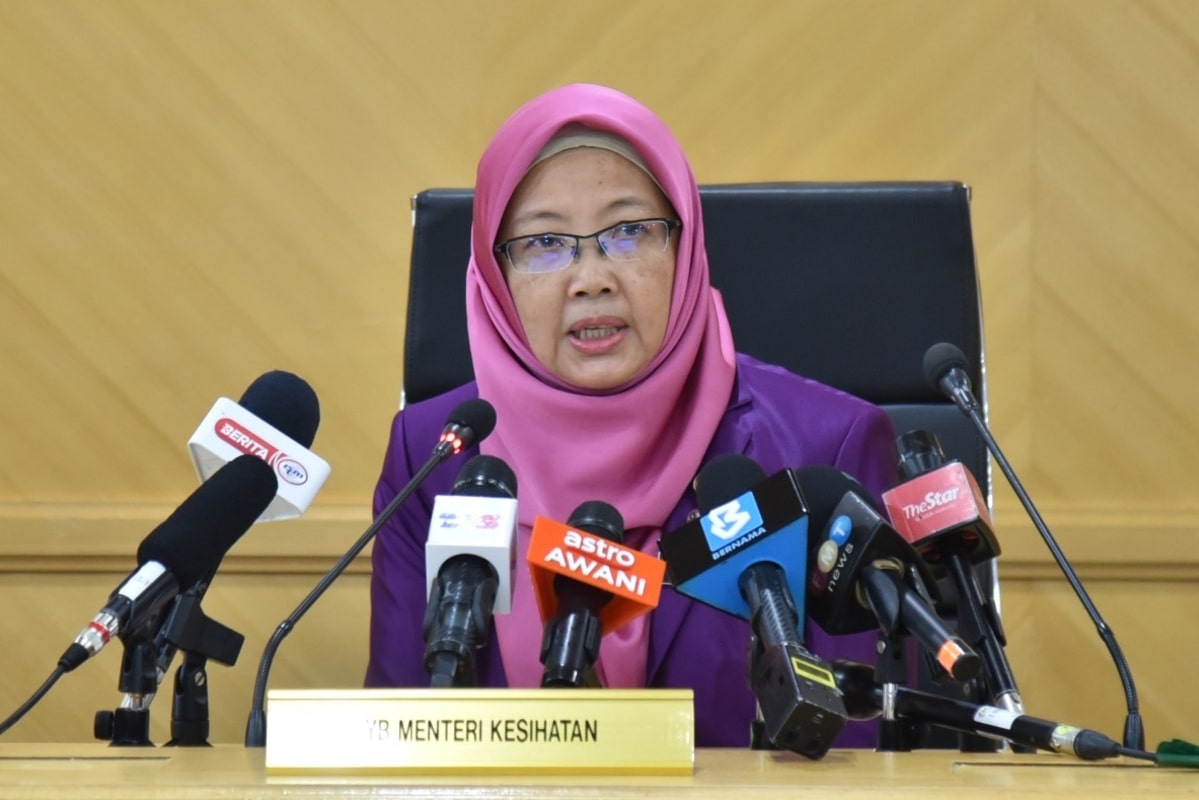
KUALA LUMPUR, May 15 — Anti-tobacco groups scored a huge victory today after the High Court ruled that the declassification of liquid nicotine as a scheduled poison was unlawful.
High Court judge Aliza Sulaiman supported two contentions by applicants that the order gazetted by then-Health Minister Dr Zaliha Mustafa on March 31, 2023, to remove liquid and gel nicotine used for e-cigarettes and vape from the Poisons List under the Poisons Act 1952 (Act 366) was irrational, and that this exemption was done without proper or adequate consultation with the Poisons Board.
Justice Aliza described the health minister’s decision to take liquid nicotine out of the Poisons List as being “motivated by primarily economic reasons”, noting that the Ministry of Finance (MOF) had affirmed that this declassification was intended to give effect to taxation on the vape products.
“The enactment of Act 852 (Control of Smoking Products for Public Health Act 2024) strengthened the applicants’ argument that the impugned exemption is irrational as it shows there was a legal lacuna in regulating electronic cigarettes and vape products with nicotine during the material period, that was one year and seven months,” said Justice Aliza during the delivery of her judgment via a virtual hearing.
She cited an affidavit by Dr Zaliha’s successor, Dzulkefly Ahmad, that there was comprehensive legislation regulating nicotine products and vape devices after Act 852 came into effect on October 1, 2024.
“It was only after Act 852 came into force that we have this comprehensive law. That means before that, there wasn’t,” said Justice Aliza.
Justice Aliza also ruled that Section 6 of Act 366 – which empowers the minister to amend the Poisons List “after consultation with the Poisons Board” – not only mandates such a consultation, but that the consultation must be “conscious, meaningful, purposeful, and effective”.
The High Court judge noted that Dr Zaliha didn’t meet the Poisons Board in person and that there was no further discussion after the Board communicated its unanimous decision to the minister in opposing the proposed removal of liquid nicotine from the Poisons List.
“The alleged consultation by the first respondent [Dr Zaliha] was merely formal compliance with Act 366, whereas effective consultation necessitates the exchange of views and consideration of counter proposals,” said Justice Aliza.
“Furthermore, as alluded under the first issue, with reference to respondents’ affidavit, a decision had already been made for the imposition of excise duties and inevitably, the impugned exemption in the impugned order had to be made.
“To put it crudely, it was almost like a done deal.”
The judge said the health minister and the government had treated their “consultation” with the Poisons Board as a “mere formality, resulting in the overwhelming evidence of the dangers posed by electronic cigarettes and vape liquids and the increased likelihood of vapes leading to nicotine addiction on the part of children being ignored.”
Justice Aliza ruled there was no need to consider the constitutionality of Section 6 of Act 366 in the circumstances. Applicants had argued that the provision was unconstitutional because it appeared to allow amendments to parliamentary Acts without parliamentary scrutiny.
The applicants – the Malaysian Council for Tobacco Control (MCTC), the Malaysian Green Lung Association (MGLA), and Voice of the Children (VoC) – did not seek costs. Their counsel, K. Shanmuga, told the High Court that his clients were non-governmental organisations (NGOs) who brought the case as a matter of public interest. The Malaysian Medical Association (MMA) was amicus curiae in the case.
As such, the High Court pronounced no order for costs.
Shanmuga told CodeBlue that the immediate impact of the court decision was that the government must reassess the nicotine and vape issue, and decide what was the most effective way to curb the problem.
“The decision also has, I believe, far reaching implications. It shows that decisions regarding health and medical safety should not be determined solely for economic reasons,” he said.
When asked if the court ruling meant that liquid nicotine must now be reinserted into the Poisons List, Shanmuga replied: “In a way; the judge has said its removal is unlawful.”
The potential ramifications of today’s court decision are significant, as the government may be forced to stop imposing or collecting tax on vape liquids containing nicotine, besides prohibiting the sale of such products if they are now considered to be a scheduled poison.
In a brief response, MCTC chairman Prof Dr M. Murallitharan told CodeBlue that his organisation would push the government to relist liquid nicotine under the Poisons List.
The judicial review application filed in 2023 was an historic lawsuit by anti-tobacco groups against a health minister and the government, unprecedented in Malaysian public health and anti-tobacco litigation.
The applicants’ legal team included Kee Shu Min and Edmund Bon. Bon had argued the case before Justice Wan Ahmad Farid Wan Salleh, who is now the Chief Justice, whereas Shanmuga was the lead counsel who argued before Justice Aliza.


