

KUALA LUMPUR, Nov 25 — Malaysia risks weakening its control over food safety, biosecurity, and halal standards under its new trade pact with the United States, the Malaysian Veterinary Medical Association (Mavma) said.
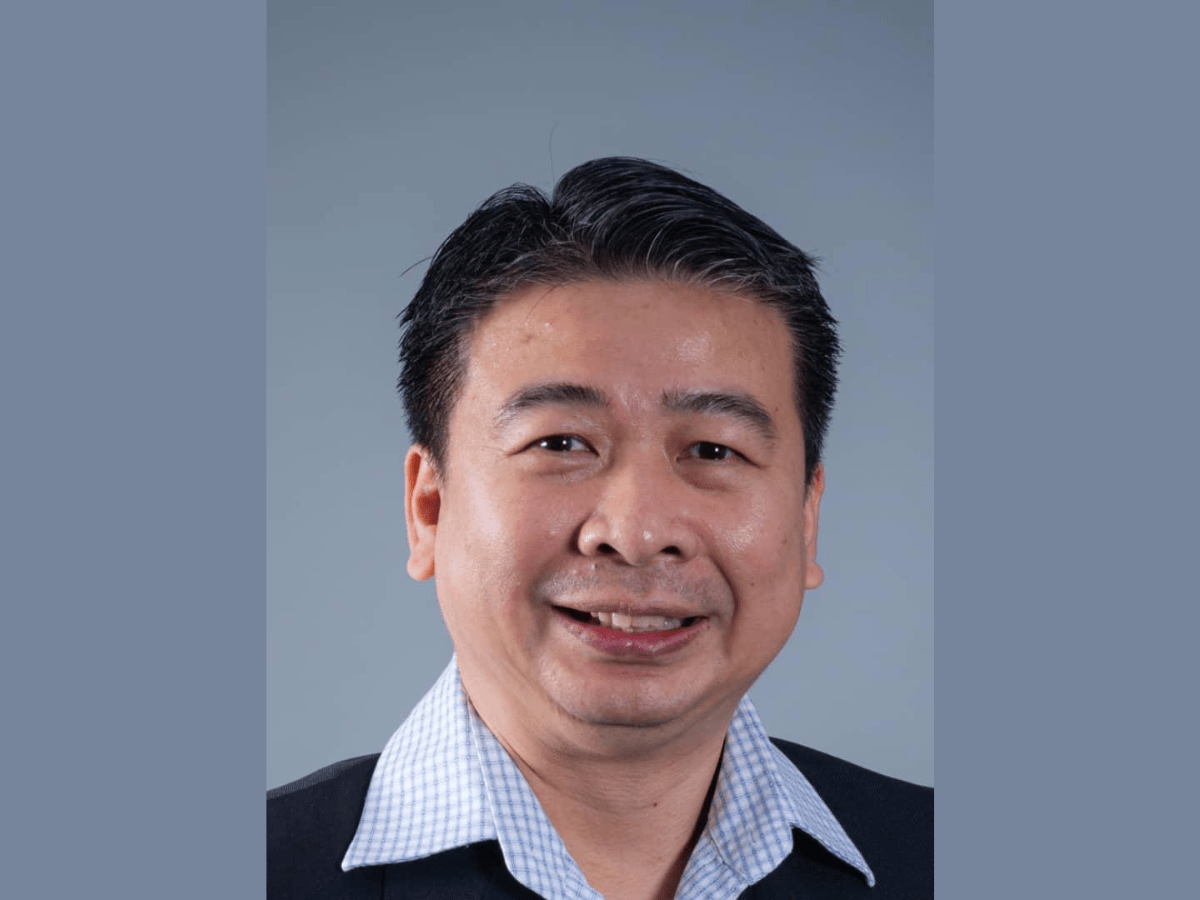
Mavma president Dr Chee Liung Wun told CodeBlue that the Malaysia-US Agreement on Reciprocal Trade’s (ART) requirement for automatic recognition of American food safety systems could limit Malaysia’s ability to carry out its own checks.
“The automatic recognition of US food safety systems and maximum residue limits (MRLs) could reduce Malaysia’s capacity to apply its own risk assessments,” Dr Chee said in a statement.
He said Malaysia’s Department of Veterinary Services (DVS) should retain the authority to carry out “independent verification and equivalence evaluation” to ensure imported products continue to meet national safety and public health expectations.
Dr Chee said while Mavma supports international trade that is grounded in science and promotes mutual economic growth, Malaysia’s veterinary sovereignty “must remain paramount” when implementing the agreement.
“Mavma believes that automatic recognition without adequate safeguards could undermine both veterinary authority and consumer trust,” he said.
The response comes as government agencies, particularly DVS and the Ministry of Agriculture and Food Security (KPKM), remain silent on how the trade pact will be implemented across animal-based imports. Mavma said that while it supports international trade, the implementation of the agreement must not dilute national oversight.
Under ART, Malaysia must recognise US food safety, sanitary and phytosanitary (SPS) systems for meat, poultry, dairy, and certain agricultural products, streamlining import eligibility by accepting US federal inspection directories and limiting additional approval requirements.
The agreement also commits Malaysia to adopting zone-based restrictions during animal disease outbreaks, such as African swine fever (ASF) and highly pathogenic avian influenza (HPAI), replacing nationwide bans.
American agricultural groups have publicly welcomed the deal as providing “unprecedented access” to the Malaysian market. The US Meat Export Federation (USMEF) said the pact could unlock US$50 million to US$60 million in annual beef exports after Malaysia agreed to accept US federal inspection directories instead of local plant approvals by DVS, which the group had described as “onerous” and as adding no value to food safety.
Dr Chee said ART’s requirement for Malaysia to adopt zone-based disease controls for HPAI and ASF must be approached with caution. ASF remains endemic in parts of Malaysia and the country continues to rely heavily on imported meat.
“Given ASF’s endemic presence in parts of Malaysia and our reliance on imports, strict traceability, disease surveillance, and verification of ‘disease-free zones’ are essential to prevent the inadvertent introduction or spread of transboundary diseases,” Dr Chee said.
He added that Malaysia’s HPAI-free status, recognised by the World Organization for Animal Health (WOAH), and its stamping-out policy had successfully contained five previous outbreaks, in contrast to countries that have adopted vaccination strategies.
“The same disease elimination policy and national freedom status should serve as a reciprocal biosecurity standard for countries seeking to export their products to Malaysia, ensuring the integrity of Malaysia’s HPAI-free status,” he said.
Dr Chee also noted that the “forced acceptance of US regionalisation warrants serious concern,” citing frequent spillover events between avian, bovine, feline and swine species reported across various US states.
“Such incidents highlight the risk of potential mutant strains entering Southeast Asia – potentially through Malaysia – at a time when other Asean nations are still grappling with existing HPAI strains,” he said.
Mavma also raised concerns about halal certification under the agreement. Dr Chee said any acceptance of US halal certifiers designated by the Department of Islamic Development Malaysia (Jakim) “should not bypass Malaysia’s religious and veterinary verification mechanisms.”
He said halal assurance includes animal welfare, slaughter integrity, and food hygiene, describing these as core veterinary responsibilities, and noted that Malaysia’s halal system “has been globally trusted by other Muslim countries.”
Dr Chee said Malaysian authorities should retain the right to conduct on-site audits of foreign establishments, strengthen import risk analysis and border inspection, and maintain transparency with the public on food safety and halal standards.
Mavma also recommended that DVS and relevant ministries establish a joint technical review panel to assess equivalence of MRLs, inspection systems and disease zoning protocols.
“Public confidence in Malaysia’s food safety and veterinary systems depends on transparency and the continued leadership of Malaysian authorities,” Dr Chee said.


