

To the Ministry of Health (MOH), the Malaysian Medical Council (MMC), and the public:
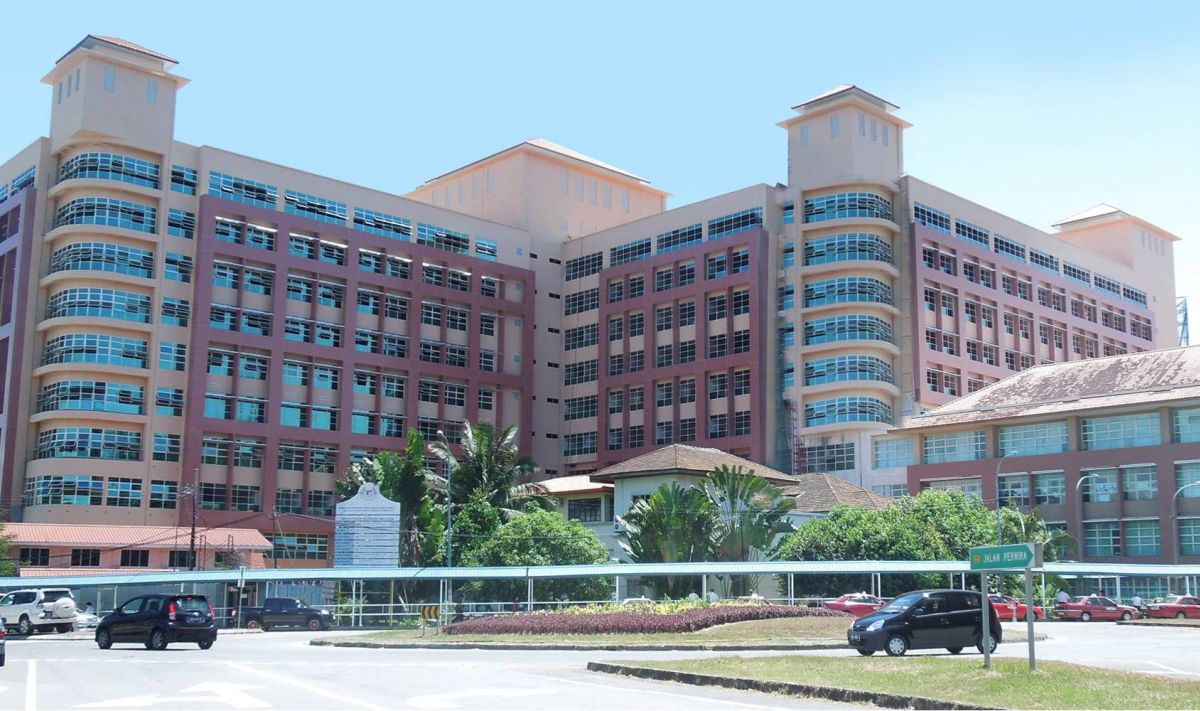
Recent changes at Queen Elizabeth Hospital (QEH), Kota Kinabalu, under its current administration started with high hopes. However, aggressive new policies designed solely to hit key performance indicators (KPIs) have severely compromised patient care, ruined hospital workflows, and created a deeply toxic environment.
Under the excuse of “patient rights,” the current administration is allegedly making reckless administrative decisions that endanger both the public and the hospital staff.
As the main tertiary hospital for Sabah, QEH is the final safety net for the most difficult medical and surgical cases in the state. Yet, recent management directives enforced in the name of “efficiency” are putting patients in direct danger. The current obsession with hitting surface-level targets is destroying the foundation of safe hospital practice.
The following critical failures require immediate public and regulatory investigation:
The ‘Zero Pending ETD’ Illusion And The Dangers of the Multidisciplinary Ward (MCW)
To hit a strict four-hour clearance target in the Emergency and Trauma Department (ETD), a new directive dictates that patients must be pushed out of the emergency room no matter what. To hide these patients, a 60-bed Multidisciplinary Ward (MCW) was hastily opened without proper planning. Patients are now dumped into the MCW after four hours regardless of their clinical stability, just to stop the ETD clock.
This ward was opened without the staff or the basic equipment needed to run it safely. For a massive influx of 60 sick patients, there are insufficient cardiac monitors, essential medical supplies, and there is not a single ultrasound machine available in the ward. Forcing this many sick individuals onto an already exhausted, short-staffed team of doctors and nurses guarantees a drop in patient safety.
Even worse is the complete breakdown of basic infection control. Highly infectious patients, including those with suspected pulmonary tuberculosis and those carrying MRSA/ESBL/MDRO/CRE, are being mixed into the exact same ward as general and unstable patients.
Management’s only solution has been to set up physical partitions. But airborne germs and bacteria do not respect room dividers. When a severely understaffed team of health care workers is forced to constantly rush between 60 mixed-acuity beds, cross-contamination is practically guaranteed.
Moving sick people into an understaffed environment just to make the emergency room metrics look good is incredibly dangerous. Worse, when frontline staff raise concerns that this is physically impossible and unsafe, they are met with threats. Staff who try to defy or delay unsafe admissions report being threatened with disciplinary action or punitive transfers, and are told their only “right” is to do their job and take their salary.
Health care workers (HCWs) should not be bullied into compromising patient safety just to meet an administrative quota.
Sacrificing Critical Hospital Services For A Single Metric
QEH is the main referral center for the whole state of Sabah. We handle complex surgeries, cancer treatments, critical transfers from district hospitals, and scheduled admissions. However, to keep beds empty just to satisfy the ETD clearance KPI, the administration has frozen the normal admission process for elective and referred cases.
By banning the “booking” of beds for planned admissions, crucial, life-saving treatments are being delayed. Patients traveling all the way from rural districts for urgent cancer surgeries or chemotherapy are being turned away or severely delayed just to keep beds empty for potential ETD overflow.
Imagine traveling six hours from a rural district (for example, Keningau, Kudat, or Sandakan) for an urgent cancer surgery or scheduled chemotherapy, only to be turned away. Not because the hospital is genuinely full, but because your bed is being kept empty to make the emergency room metrics look good.
This is not about “patient rights”; this is a dangerous misalignment of administrative priorities designed to keep the emergency room looking empty. Reserving beds for hypothetical emergency room overflow while actively ignoring critically ill Sabahan patients who actually need those beds is a complete failure of the hospital’s core purpose.
You cannot shut down essential hospital services just to make one metric look successful.
Bypassing The Clinical Queue For Beds
The process of deciding who gets a hospital bed must be based purely on medical urgency. However, there is deep frustration among the clinical staff regarding severe administrative interference in how beds are assigned.
While the administration uses the bed shortage to punish the public and restrict routine admissions, recent incidents have raised serious alarms about the integrity of bed allocations. While ordinary Sabahans wait in agonising limbo, recent incidents have raised serious alarms that the queue suddenly vanishes for those with the right connections.
Reports indicate that standard clinical queues have been completely bypassed to demand immediate admission for certain individuals with personal connections to management, including the allocation of single-bed isolation rooms. Bypassing the standard clinical queue for administrative convenience puts ordinary, severely ill patients at a massive disadvantage.
We are calling for a strict, independent audit of the hospital’s admission records. Bed management must be transparent and based on medical needs, not who you know.
Staged Efficiency During External Audits
True hospital efficiency is measured by whether your patient survives an understaffed shift; not by how empty the emergency room looks when politicians or MOH officials come to visit.
During visits from the Director-General (DG) of Health or political figures, the administration orchestrates a staged show. The ETD is forcefully cleared out, and staff are pushed beyond human limits to ensure the department looks perfectly managed for the cameras. Putting on a show for MOH means the real problems killing our health care system never actually get fixed.
This fake efficiency hides real chaos, dangerous overcrowding in the wards, and exhausted HCWs crying behind the scenes. Tricking the Ministry of Health into thinking QEH is well-managed ensures that the systemic rot is never addressed.
Complaints Swept Under the Rug
Many official complaints made through SISPAA and direct channels by QEH health care workers have been completely ignored. It is no surprise that nothing is being done, because complaints sent through the MOH system are simply routed back to the exact same hospital management causing the problems. As recently highlighted in Suara Borneo, these critical issues are repeatedly buried.
The fundamental rights and safety of health care workers are being systematically dismantled under the hypocritical guise of “patient rights.” Current management has demonstrated zero regard for the physical and psychological toll on their staff, obsessing solely over maintaining a flawless public facade and hitting their targets at all costs.
Demands For Immediate Action
To fix this crisis, the Ministry of Health must take these immediate steps:
- Independent MOH investigation: MOH Putrajaya must step in and completely bypass the Sabah state health department (JKNS). We need an outside investigation that is free from local office politics and cover-ups.
- Safe interviews with frontline staff: Investigators must speak directly with the doctors and nurses on the ground. Top hospital management must not be in the room. Staff must be given a clear, documented guarantee that they will not be punished or transferred for speaking the truth.
- Anonymous reporting system: Set up a secure online system where QEH staff can expose the true depth of these hidden operational failures safely.
As the flagship tertiary center for the entire state, especially with the new Sabah Heart Centre and National Heart Institute (IJN) expansions, QEH must be unshakeable. If the core hospital is allowed to fail under toxic management, the entire health care network in Sabah will suffer.
The Reckoning
The situation at QEH is no longer just about tired health care workers; it is a direct threat to the lives of patients in Sabah. Using “patient rights” as an excuse to bully staff and force unsafe medical practices is unacceptable.
We urge MOH and the public to look past the fake numbers and investigate what is actually happening at Queen Elizabeth Hospital.
We are realistic enough to expect little accountability from within as the hospital management is well connected (they know somebody). But we refuse to let our silence be weaponised as consent. When the inevitable sentinel events occur, let the record show that the Ministry was warned, and the failure was not due to the frontliners, but the vanity of its leadership.
When the system refuses to correct itself, the people of Sabah have a right to know exactly the kind of danger they are walking into when they enter the emergency doors of QEH.
Editor’s note: CodeBlue has requested a statement from QEH in response to the serious allegations in this letter.
The author is a health care worker at QEH. CodeBlue is providing the author anonymity because civil servants are prohibited from writing to the press.
- This is the personal opinion of the writer or publication and does not necessarily represent the views of CodeBlue.


