

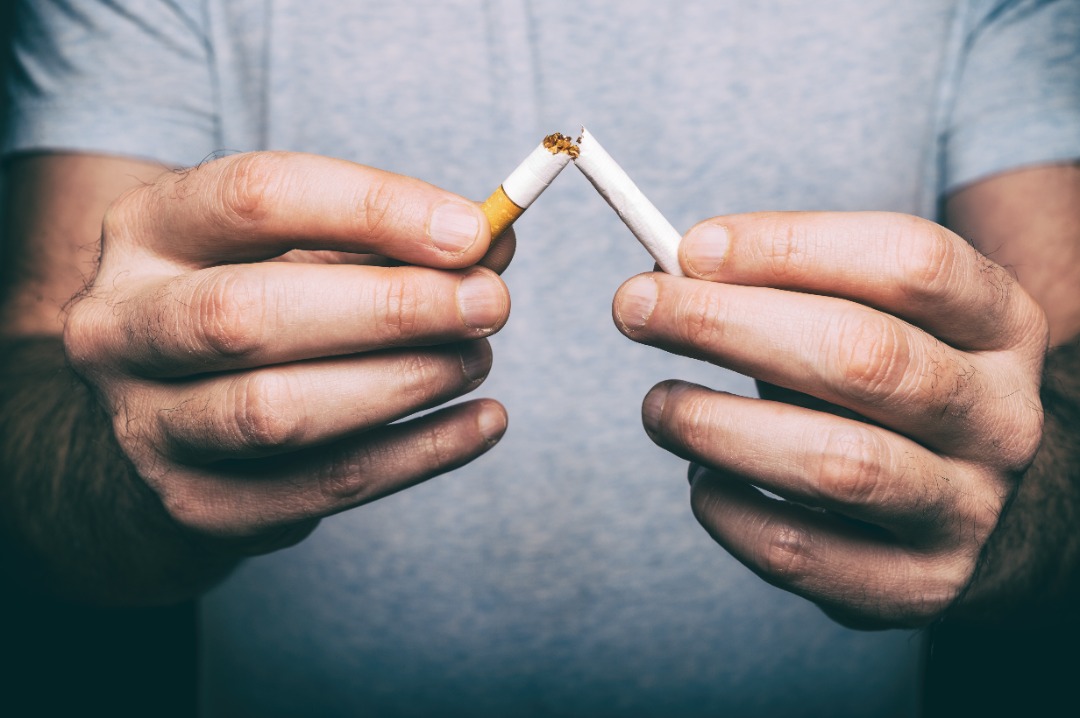
The Malaysian Women’s Action for Tobacco Control and Health (MyWatch), strongly opposes the government’s proposed cuts to the Ministry of Health (MOH) budget.
A 10 per cent cut to MOH’s RM46.5 billion allocation is not belt-tightening. It is a direct threat to public protection. At RM4.65 billion, this is not trimming fat. It is cutting dangerously close to muscle, blood, and bone.
At a time when public hospitals are overcrowded, primary care clinics are stretched, medicine costs are rising, and chronic disease burdens are worsening, cutting health spending is economically short-sighted and socially reckless.
The first to suffer will not be bureaucracies. It will be patients, especially low-income families, older persons, cancer patients, and those with chronic disease who depend on subsidised care to survive.
MyWatch agrees that fiscal discipline is necessary. But Malaysia must distinguish between smart cuts and dangerous cuts.
Smart cuts target waste: bloated procurement, duplication across agencies, non-essential events, underused consultancies, administrative inefficiencies, and poorly justified non-clinical expenditure.
Dangerous cuts target protection: clinics, medicines, prevention, disease control, treatment access, health promotion, and the public systems that keep Malaysians alive.
Health is not consumption spending, but productive infrastructure. When governments cut prevention, they do not save money. They merely delay spending until it becomes more expensive: more dialysis, more cancer, more strokes, more ICU admissions, more lost productivity, and more households pushed into poverty by illness.
If Putrajaya is serious about fiscal responsibility, it should not cut protection. It should tax harm. The most immediate and evidence-based revenue move available is a substantial increase in tobacco taxation.
Malaysia has allowed tobacco excise taxation to stagnate for over a decade. The last meaningful cigarette tax revision was in 2015.
The recent two sen per stick increase was fiscally trivial and epidemiologically unserious. It was not reform, but mere symbolism. This is especially indefensible during an economic crunch.
Tobacco taxation is one of the few policy tools that simultaneously improves health, raises revenue, reduces household impoverishment, and lowers future public expenditure. This is precisely the kind of policy Malaysia should be prioritising now. The evidence is unequivocal.
Raising tobacco taxes will accomplish the following:
- Reduces smoking prevalence, especially among youth and low-income groups.
- Prevents premature deaths from cancer, heart disease, stroke, and lung disease.
- Lowers long-term treatment costs borne by MOH.
- Reduces productivity losses from tobacco-related illness.
- Protects poor households from catastrophic health expenditure.
- Generates immediate fiscal revenue.
This is not ideology. It is one of the most evidence-backed public finance measures in global health, and is fully aligned with the the World Health Organization (WHO) Framework Convention on Tobacco Control (FCTC) Article 6, which explicitly recognises tax and price measures as among the most effective tools to reduce tobacco consumption.
Malaysia should implement a meaningful excise increase of at least 50 sen per cigarette stick phased over three years (for example, 15 sen immediately, followed by scheduled annual increases), alongside a higher minimum retail floor price and strict anti-illicit enforcement. Even a conservative immediate increase of 20 sen per stick could yield substantial returns.
Malaysia consumes an estimated 18 to 20 billion cigarette sticks annually. A 20 sen increase per stick would generate approximately RM3.6 to RM4.0 billion annually, even after accounting for reduced consumption. A 30 sen increase could generate RM5.4 to RM6.0 billion. A serious tobacco tax reform alone could offset most, if not all, of the proposed MOH cuts.
In other words, the government is preparing to cut health by RM4.65 billion while refusing to properly tax the very products driving disease and health expenditure. That is not fiscal discipline. That is policy incoherence.
Tobacco should not be the only target. Malaysia should urgently expand health-protective taxation on other harmful products and practices:
- Vape and nicotine products: Raise liquid nicotine excise sharply and close loopholes that have made youth addiction cheap and accessible. Current taxation remains far too low to deter uptake.
- Sugar-sweetened beverages (SSBs): Increase the sugar tax substantially and widen coverage. Malaysia’s diabetes burden justifies a stronger corrective levy.
- Alcohol: Build on the recent 10 per cent increase with predictable annual excise escalators tied to inflation and health costs.
- Ultra-processed foods high in salt, sugar, and trans fats: Malaysia must begin serious fiscal disincentives for products driving obesity, hypertension, and cardiovascular disease.
- Pollution and environmental health penalties: Tax and penalise high-pollution practices that shift respiratory and cardiovascular costs onto the public health system.
- Gambling and digital addiction-linked harms: These also carry measurable mental health and social costs and should be treated as fiscal-health policy concerns.
These are not punitive taxes. They are corrective taxes. They shift part of the cost burden back to industries and behaviours that generate preventable disease. That is what responsible governments do in difficult fiscal times.
If Malaysia truly faces an economic squeeze, the answer is not to cut the health system and hope disease becomes cheaper. The answer is to protect health, cut waste, and tax harm. Anything less is not austerity. It is surrender.
This press release was issued by Malaysian Women’s Action for Tobacco Control and Health (MyWatch) president Roslizawati Md Ali.
- This is the personal opinion of the writer or publication and does not necessarily represent the views of CodeBlue.


