

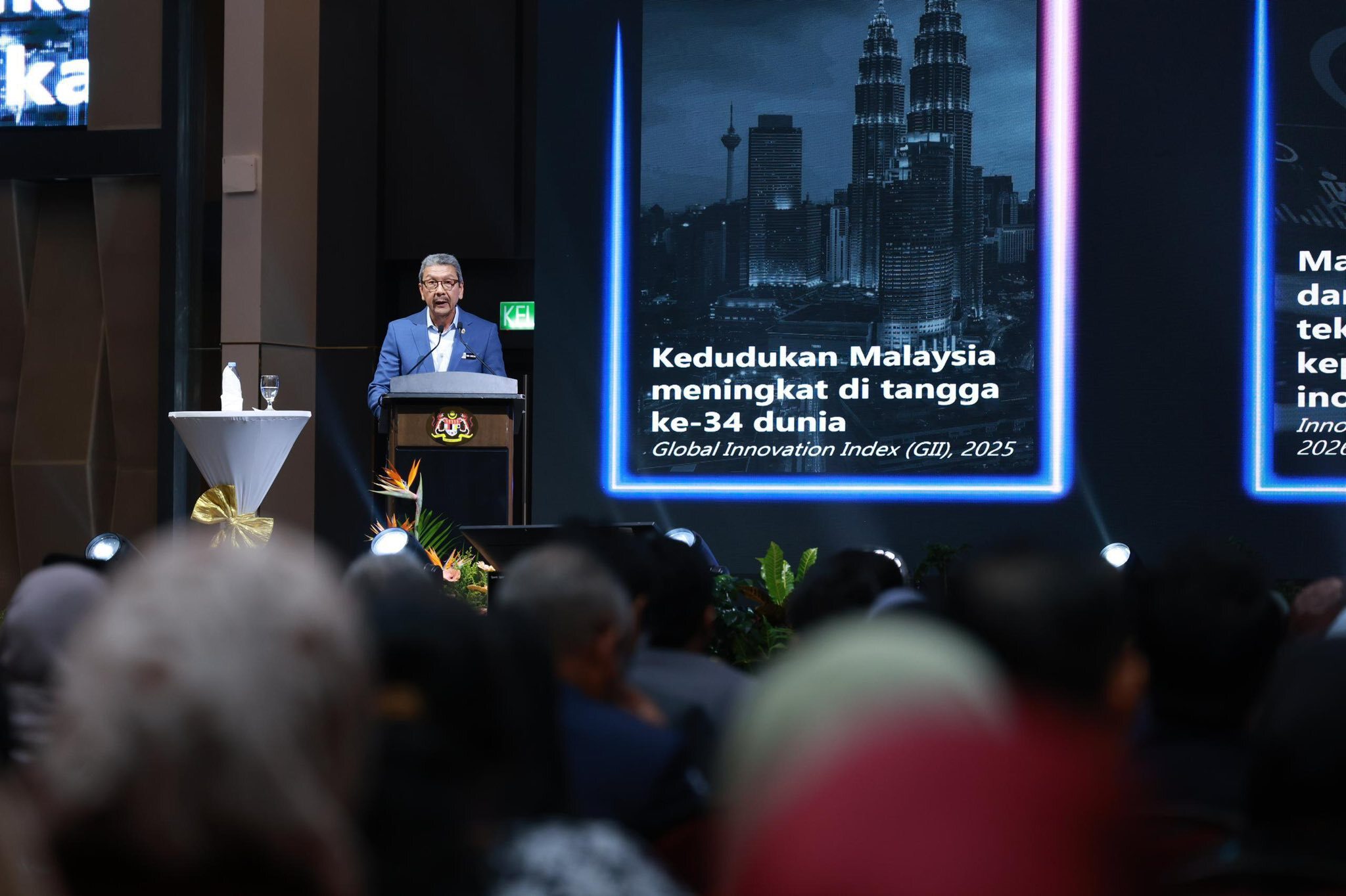
KUALA LUMPUR, April 29 — The Public Service Department (JPA) has launched a Public Sector Reform Circular in a bid to usher in a cultural renaissance in Malaysia’s civil service.
JPA public sector reform division Yap Hock Ann wrote in the Frekuensi JPA newsletter’s 55th edition yesterday that the Public Sector Reform Circular was designed to replace the long-standing Public Administration Development Circular (PKPA).
“The Reform Circular is a ‘living document’ that links strategic, tactical, and operational dimensions,” said Yap.
He noted that traditional government circulars were often too long, prescriptive, and difficult to translate into immediate action.
Older models also focused heavily on process compliance, rather than actual outcomes for the general public.
Yap further acknowledged the “bureaucratic burden” in the 1.5 million-strong civil service that hindered agility in the face of rapid technological changes.
JPA’s new Reform Circular is outcome-oriented, dynamic, and modular.
“While the core document remains stable, specific ‘operational instruments’ (toolkits, playbooks, and guides) can be updated rapidly and periodically,” wrote Yap.
“It aligns public service reform with national agendas such as the 13th Malaysia Plan (RMK-13), the Public Service Reform Agenda (ARPA), and the Akta Iltizam.”
Two new policy circulars – Public Sector Administration Reform and Cultivating Public Sector Innovation – are part of the Reform Circular framework. Both documents can be downloaded from JPA’s website tomorrow.
“Beyond policies and platforms, the most profound shift is cultural. Public servants are being trained in design-thinking methodologies to empathise with the rakyat, refining public services from the ground up based on human needs,” said Yap.
“Innovation is no longer just a department; it is a mindset. Targeted innovation grants are incentivising creativity, while the younger generation of public servants brings an inherent digital fluency and collaborative ethos that is rapidly accelerating this cultural renaissance.
“Excellence is now measured not just by the speed of a transaction, but by the quality of engagement.”
The JPA official described the metamorphosis of the Malaysian public sector as an “active, comprehensive reinvention”.
“Guided by the Madani framework and new instruments like the Reform Circular, the bureaucracy of the past is shedding its rigid shell.”
Public Service director-general Wan Ahmad Dahlan Abdul Aziz said last December that performance would be the primary determinant for rewards and recognition in the civil service under Phase Two of the Public Service Remuneration System (SSPA), rather than attendance and seniority.


