

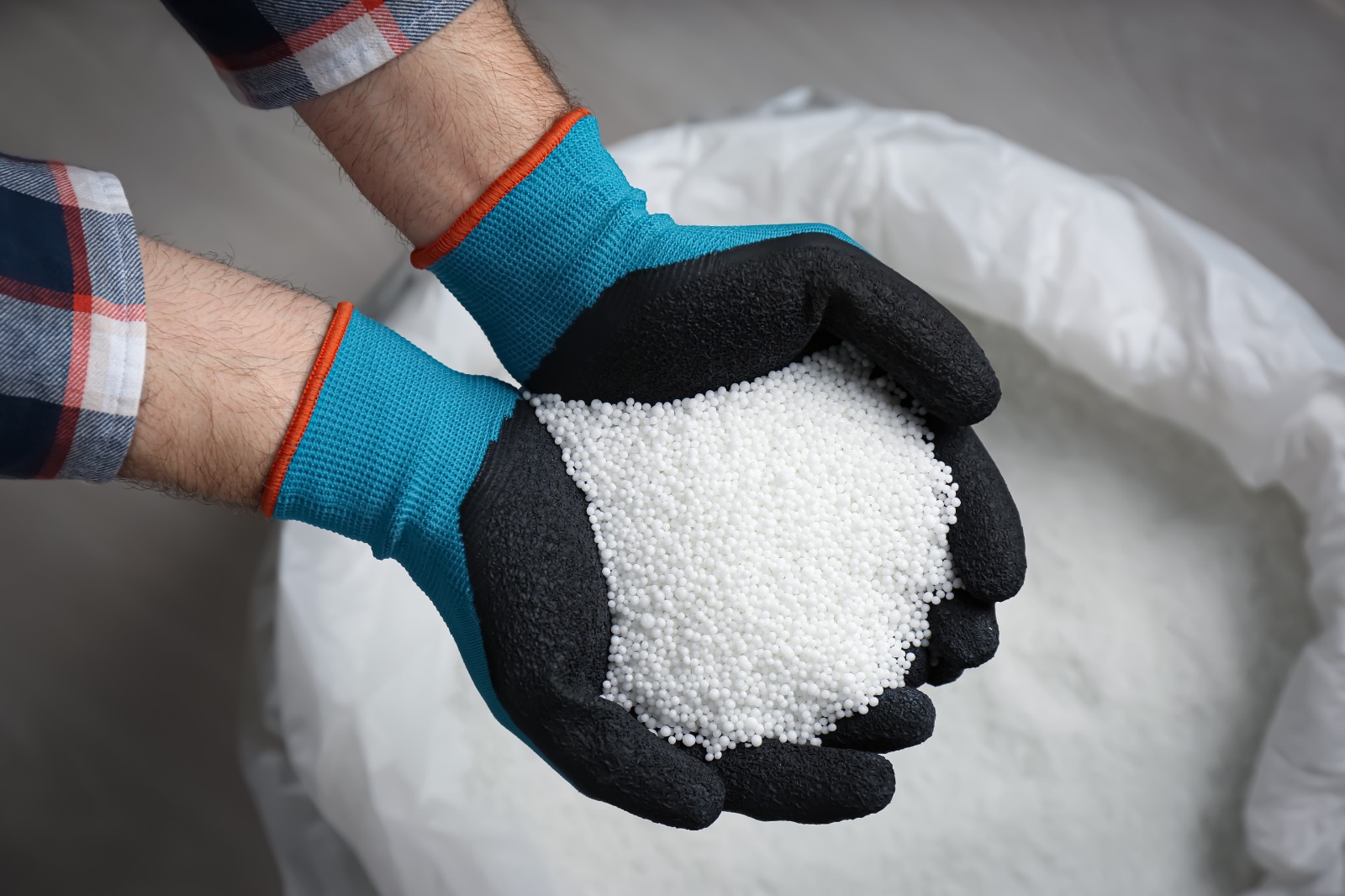
KUALA LUMPUR, March 25 — Russia has temporarily suspended ammonium nitrate fertiliser exports to prioritise domestic farmers amid the Iran war, state-run RT reported yesterday.
Bloomberg reported that Russia’s Agriculture Ministry halted exports of the nitrogen-based fertiliser from March 21 to April 21; supplies under intergovernmental agreements are exempt.
“The suspension of exports will allow priority supply to the domestic market during the spring fieldwork period and ensure its uninterrupted progress amid rising export demand for nitrogen fertilisers,” the Agriculture Ministry was quoted as saying.
According to data from the OEC portal, Malaysia imported RM5.69 billion worth of fertilisers in 2025. The main origins of Malaysia’s fertiliser imports are Russia (RM1.65 billion), China (RM1.35 billion), and Canada (RM653 million).
World Bank data shows that Russia was also the top source of ammonium nitrate for Malaysia in 2023 at US$15.5 million, comprising about 42 per cent of Malaysia’s total US$36.7 million imports of that fertiliser.
China, which is the second biggest source of imported fertilisers for Malaysia, also recently restricted fertiliser exports to prioritise domestic supply as the West Asia conflict enters its fourth week.
Russia and China combined comprised 53 per cent of Malaysia’s fertiliser imports last year at RM3 billion out of RM5.69 billion total imports. Malaysia is a net fertiliser importer, having imported RM5.69 billion and exported RM3.75 billion in 2025.
Despite widespread local coverage of how fertiliser shortages would hit Malaysia, Agriculture and Food Security Minister Mohamad Sabu has yet to issue a statement about the situation.
Instead, he simply claimed on Facebook yesterday that food supplies for Hari Raya Aidilfitri were sufficient, without addressing fertiliser shortages but only mentioning oil price hikes and logistical costs.
The S. Rajaratnam School of International Studies (RSIS) at Singapore’s Nanyang Technological University previously warned of Malaysia’s vulnerability to fertiliser trade disruptions from the Persian Gulf conflict because Malaysia’s domestic fertiliser production can only meet 39 per cent of annual fertiliser use.
Malaysia faces a double-whammy impact because of liquefied natural gas (LNG) trade disruptions from the war too; LNG is a critical input in producing urea, a nitrogen fertiliser that is the most widely used fertiliser globally.
Malaysian fertiliser producers like Union Harvest and FGV Fertiliser have halted new orders, as the prices of some raw materials reportedly increased by 100 per cent to 150 per cent within a fortnight.
Farmers’ associations recently warned of increases in the prices of fruits and vegetables in Malaysia due to fertiliser shortages and diesel price hikes. Vegetable prices are expected to surge by 50 per cent within one or two weeks and fruit prices by 20 per cent in three to six months.


