

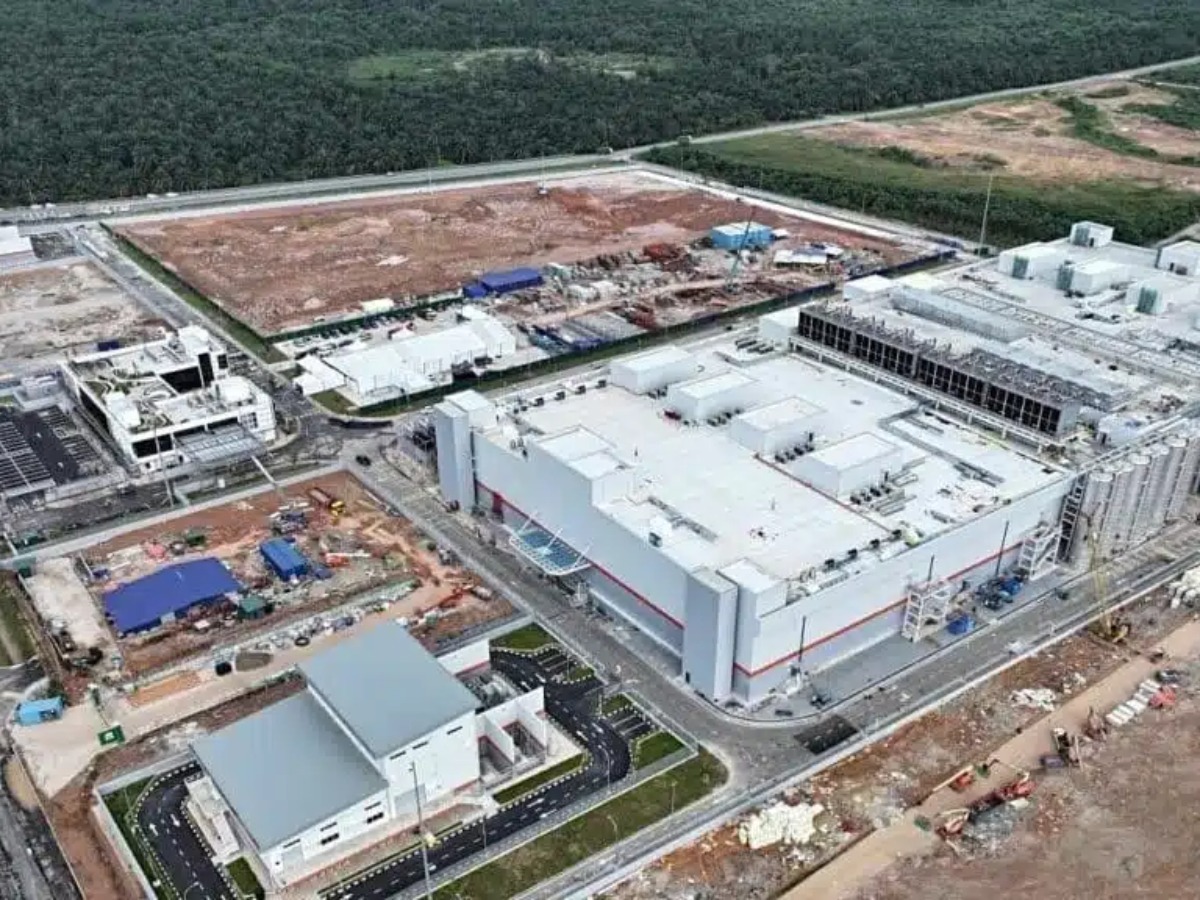
KUALA LUMPUR, May 8 — Agricultural land in Malaysia is increasingly being converted for industrial and commercial use, including data centres, raising concerns about long-term food security as development pressures intensify.
A senior official from the Ministry of Agriculture and Food Security (KPKM) warned that land traditionally reserved for farming is being repurposed amid competing economic priorities.
“There are various challenges that affect us today, as we speak, for example, climate change and resource constraints, especially in terms of land use in our country,” said KPKM deputy secretary-general (policy) Norazman Ayob at an event at Universiti Putra Malaysia last April 26.
“Over the past few years, we have seen an increase in land being converted – meaning land that was specifically for agriculture has been changed for industrial or commercial use.
“Especially in this era where we are talking about AI – data centres and so on. Many lands have been converted from the agricultural sector to these sectors.”
Norazman’s remarks come as Malaysia positions itself as a regional hub for digital infrastructure. According to Malaysiakini, global technology firms including Amazon, Google, Microsoft, and ByteDance have ramped up investments in data centres across the country.
Between 2021 and March 31, 2025, approved data centre-related investments reached RM144.4 billion.
The growth of data centres – which operate around the clock and require large amounts of electricity and water – has raised questions about sustainability, including whether Malaysia’s power grid and regulatory frameworks can keep pace.
The shift in land use reflects broader trends in the agriculture sector. CodeBlue previously reported that livestock farming areas have declined amid development pressures.
Agriculture and Food Security Minister Mohamad Sabu told the Dewan Rakyat that livestock farming areas within Permanent Food Production Parks (TKPM) – government-designated zones for food production – and grazing fields totalled 25,223.84 hectares as of January 2026, covering 20,741.42 hectares of grazing land and 4,482.42 hectares within TKPM.
He said trends since 2017 show a marked decline, with livestock TKPM areas shrinking by nearly 48 per cent over five years and grazing areas by about 25 per cent, attributing the contraction to competing land demands.


