

As an initial response to the Islamic Development Department (Jakim), we would point out that even the word alcohol is not explicitly mentioned in the Quran in its modern terminology. Instead, the Quran uses the Arabic term الخمر (al-khamr), referring to intoxicating drinks.
The broader principle here is that religious rulings should remain relevant and responsive to emerging public health concerns. With the advent of other harmful and addictive substances, including tobacco and vape products, the underlying principles of harm prevention and the protection of human well-being should also be applied consistently.
This would ensure that religious fatwas are meaningful, relevant, and effective in addressing contemporary challenges.
Should Jakim Issue Similar Guidelines For Muslims Working In Outlets Selling Tobacco And Vape Products?
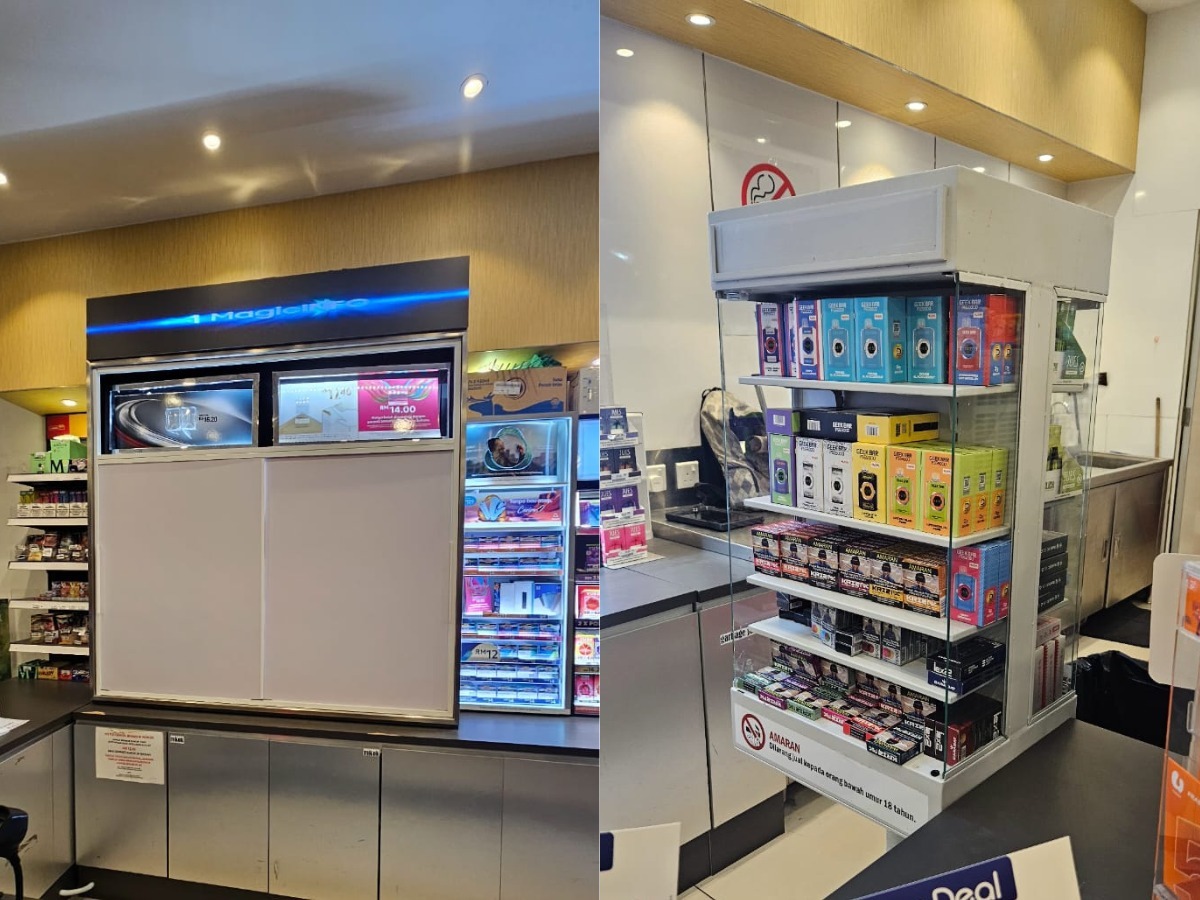
The Malaysian Council for Tobacco Control (MCTC) believes that this question warrants consideration by Jakim. If tobacco and vape products are deemed prohibited (haram) under the relevant fatwas, the implications should not be confined solely to the act of smoking or vaping.
The wider commercial activities involving the sale, promotion and distribution of these products should also be examined, including the involvement of Muslims working in such businesses.
An important distinction, however, must be made between the religious ruling on a product and the specific responsibilities of individuals involved in its commercial supply chain. These matters require appropriate religious guidance.
Should Religious Authorities Treat Tobacco And Vape Products In The Same Way As Alcohol Products?
The question should be considered from the perspective of consistency in applying the principles of harm prevention and public health protection.
Presently, the relevant smoking and vaping fatwa addresses the act of smoking or vaping, rather than comprehensively addressing the products themselves and the commercial activities associated with them.
This raises a legitimate question about whether the scope of religious guidance should be extended to cover the sale, marketing, distribution and commercial facilitation of tobacco and vape products.
There is also a need to address regulatory inconsistencies.
Halal certification under Malaysian Standard MS 1500:2019 addresses halal requirements throughout the food production and supply chain. Jakim is responsible for halal certification, while enforcement of relevant trade and consumer protection requirements falls under the Ministry of Domestic Trade and Cost of Living (KPDN).
Food safety and hygiene throughout food preparation and processing are also subject to the Ministry of Health’s regulatory framework.
However, smoking restrictions in food premises have generally focused on protecting customers and members of the public in designated public areas. Greater attention should also be given to smoking and vaping within kitchens, food preparation areas, and other workplace environments.
Under the Control of Smoking Products for Public Health Act 2024 (Act 852) and its applicable regulations, workplace smoking restrictions extend to relevant places of work, including kitchens and food preparation areas where the prohibition applies.
The important point is that public health protection should not stop at the dining area. Workers preparing food are equally entitled to a safe and smoke-free working environment. Current regulation under the Act 852 exempts casinos which are air-conditioned work-places.
Ultimately, religious guidance, halal integrity, occupational safety and public health regulation should complement one another. We should avoid a situation where the religious prohibition of a harmful product is recognised in principle, but the commercial activities and workplace practices associated with that product remain insufficiently addressed.
MCTC’s position is that the protection of public health must be comprehensive, consistent and extend beyond individual smoking behaviour to the wider tobacco and vape supply chain.
- This is the personal opinion of the writer or publication and does not necessarily represent the views of CodeBlue.


