

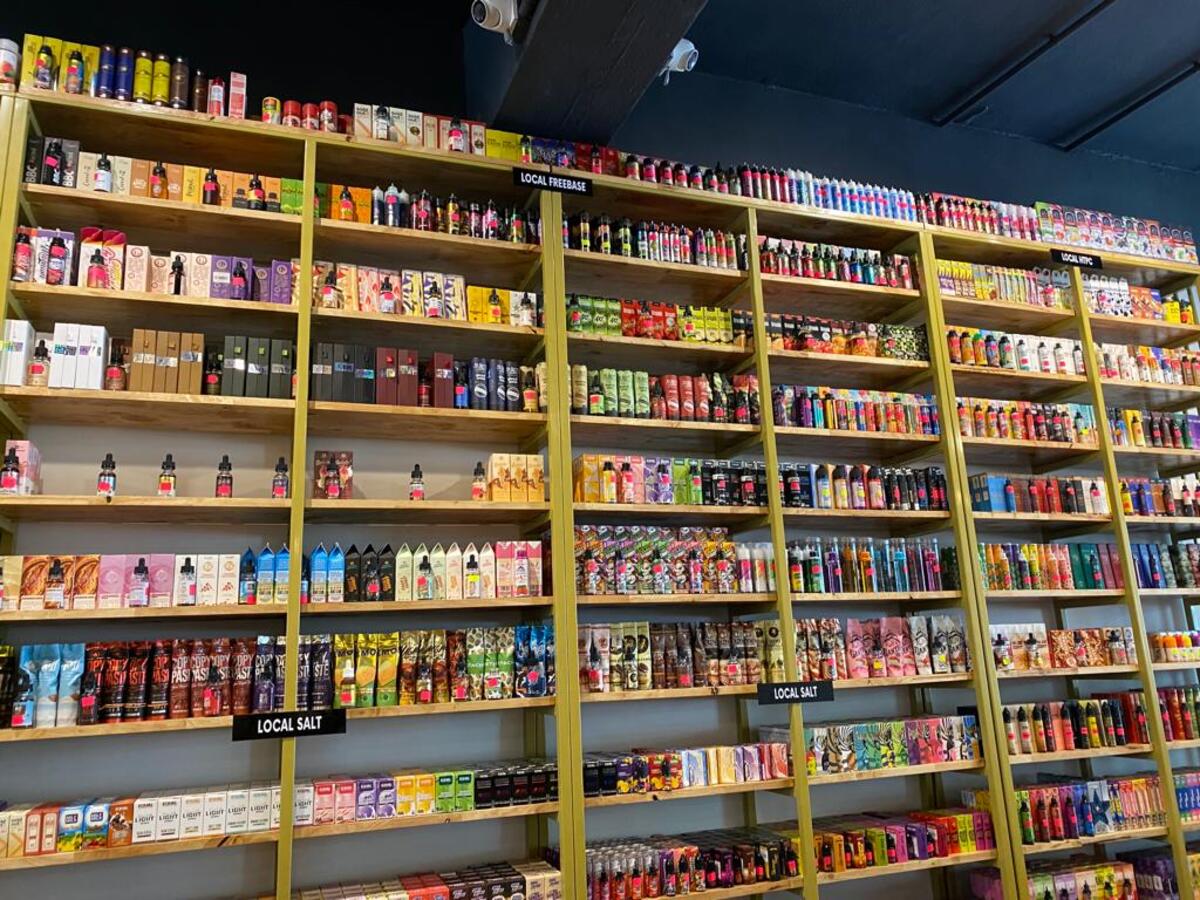
KUALA LUMPUR, Nov 6 — The Malaysia E-Vaporizer and Alternative Tobacco Association (Mevta) has welcomed the Poisons Board’s endorsement of the government’s proposal to exempt liquid nicotine from the Poisons List.
Mevta president Mohamad Neezam Talib said the Board’s endorsement was a step towards a “more appropriate and updated regulatory framework”, given that the Control of Smoking Products for Public Health Act 2024 (Act 852) was already in place.
“With Act 852 already in place, we believe nicotine-related products should be regulated under this newer and more comprehensive legislation rather than relying on the Poisons Act 1952,” Neezam told CodeBlue in a statement today.
“Regulations must evolve with changing times, emerging technologies and consumer trends. What is important is ensuring a clear, consistent and effective regulatory framework that protects public health while recognising developments in the industry,” he added.
Mevta argued that the government should prioritise enforcing existing regulations rather than imposing a blanket ban on vape products, questioning the effectiveness of prohibition when unapproved products remain widely available.
“The question is, if products that have not received approval from the Ministry of Health (MOH) are still widely available in the market, what exactly is a ban supposed to achieve?” Neezam said.
“The main issue is not simply whether these products should be allowed or prohibited, but how the government can ensure that products sold comply with regulations and that those who break the law are held accountable.”
The association called for stricter enforcement against online sellers and operators without legitimate business premises, saying products without MOH approval continued to be sold through platforms such as Telegram and WhatsApp.
Neezam contrasted online sellers and unlicensed operators with retailers operating from licensed premises, who he said were aware of and complied with existing regulations, including restrictions on selling vape products to minors.
“This issue is not about rejecting regulation, but about how it is enforced. More importantly, all sales channels must be monitored, unapproved products must be curbed, and those who violate the law must face action, regardless of whether they operate from physical premises or online,” Neezam said.
Mevta also argued that youth smoking should not be attributed solely to vaping, saying smoking among school students was already a concern before vape products entered the market.
“We cannot view youth consumption as an issue caused solely by vaping,” Neezam said. “What matters is ensuring that controls over the sale and access to these products are effectively enforced.”
Mevta said uncertainty surrounding the industry’s regulatory framework had affected businesses, with industry players hoping the government would avoid further drastic policy changes.
“Industry players are left in a state of uncertainty and hope that there will be no further drastic regulatory changes that could disrupt their businesses,” Neezam said.

