

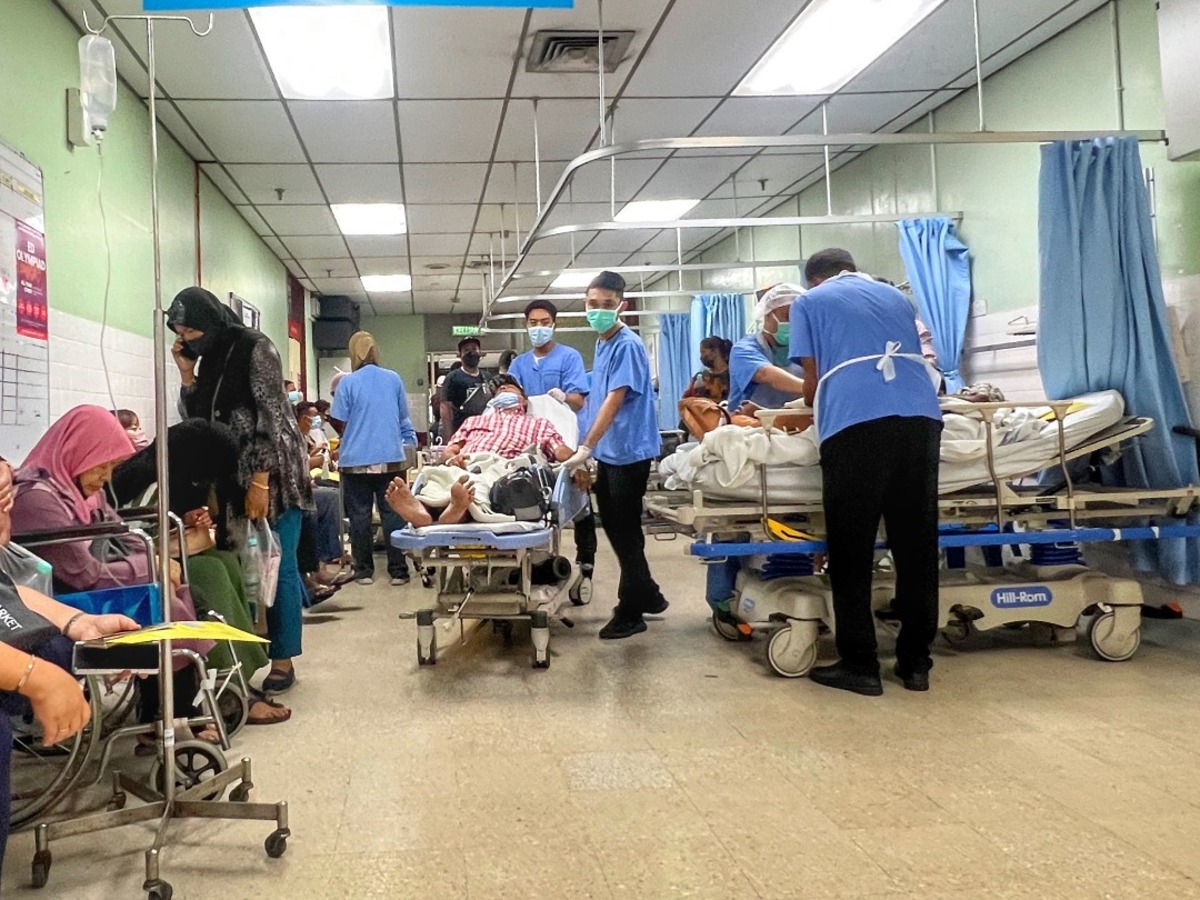
In today’s increasingly complex health care landscape, interprofessional collaboration (IPC), whereby health care professionals from different disciplines work together to deliver coordinated and patient-centred care, is essential to patient safety and quality of care.
Recognising the complementary roles of medicine, dentistry, pharmacy and the wider health care workforce, the Malaysian health care Students Alliance (MHSA), an alliance representing medical, dental, and pharmacy students, calls upon the Ministry of Health (MOH) and relevant stakeholders to strengthen IPC across Malaysia’s health care settings.
Overview Of Malaysia’s Health Care System In Interprofessional Involvement
Malaysia’s health care system, comprising both public and private sectors, has integrated different health care professions across various levels of care.
IPC is also supported through partnerships between the MOH, civil society organisations, and non-governmental organisations (NGOs).
In Malaysia, clinical pharmacists participate in ward rounds with medical teams to monitor therapy, support medication-related decisions and provide counselling.
MOH also implements multidisciplinary services such as Home Medication Review and Pharmacy Integrated Community Care, involving various health professionals and community representatives.
Patients and caregivers also contribute to medication management, where their understanding, adherence, preferences and experiences ensure informed and patient-centred care.
However, growing health care demands continue to place pressure on the coordination of care and clinical decision-making, underscoring the need to further strengthen IPC across health care professions.
Risks To Patient Safety And Jeopardised Public Trust
Gaps in IPC can compromise patient safety, continuity of care, and public confidence in the health care system.
A Malaysian study involving 418 nurses across three tertiary hospitals in Kelantan identified challenges in patient handovers, including insufficient communication, rushed information exchange, and unclear responsibilities, which may increase the risk of errors and delays in care.
As highlighted in the WHO Framework for Action on Interprofessional Education and Collaborative Practice (IPECP), ineffective collaborative practices and communication could risk preventable harm, undermining patient safety and public confidence.
Impact of poor interprofessional collaboration among health care communities
Poor IPC due to communication barriers and hierarchical obstacles could lead to suboptimal coordination of care where critical information is not well communicated.
A Malaysian study describes discrepancies in medication changes across care settings due to communication barriers, undermining clinical care.
Evidence reports communication difficulties among clinical students and multiple challenges faced between health care professionals across care settings.
Entrenched professional hierarchies impede equitable participation in multidisciplinary teams, discouraging workers from raising safety concerns, which might compromise patient safety.
Gaps Between Education, Actual Practice, And Public Awareness
Interprofessional education (IPE) equips future health care professionals with essentials for multi-disciplinary practices, yet gaps persist in clinical practice and public awareness, leading to inconsistent implementation and evaluation of IPC in realistic settings.
Malaysian students report that IPE often relies on lectures or webinars, while its application is hindered by time, communication barriers where lack of awareness of IPC’s practical value among students may further undermine its effectiveness.
Limited public awareness of the health care structure, including occupational therapy in Malaysia, may also undermine collaborative care.
Strengthen System-Level Implementation And Equitable Collaboration Among Health Care Communities
Effective communication and shared responsibilities are essential in strengthening system-level IPC implementation and continuous evaluation.
This improves patient safety and clinical outcomes, particularly among complex cases and critical situations.
Equitable IPC requires mutual respect, meaningful participation and recognition of each profession’s expertise, fostering a supportive culture where all professional voices are valued.
This requires evaluating existing practices, clarifying communication pathways, and strengthening coordinated workflows across care settings. These efforts can reduce avoidable care gaps and support safer, more coordinated patient care.
MOH And Relevant Agencies Must Act Decisively In Supporting Efforts
We call upon the MOH and relevant stakeholders to integrate IPC as a central component of future planning, aligned with principles of the WHO Framework for Action on IPECP.
This includes reinforcing policies and frameworks, improving communication, information-sharing and accountability across health care settings, including interoperable electronic medical records (EMR).
Professional bodies should also collaborate on joint Continuing Professional Development (CPD) programmes and initiatives to reinforce key competencies.
Encourage Universities And Institutions To Prioritise Meaningful Interprofessional Education
We encourage universities and key institutions to prioritise sustainable IPE in cultivating collaborative workforces equipped with essential skills to work across teams.
Relevant institutions should formally introduce and integrate structured interprofessional learning experiences throughout academic curricula where continuous exposure prepares students for realistic health care teamwork.
Universities could strengthen partnerships with health care providers and professional organisations to enrich interprofessional learning while reinforcing key competencies for effective IPE.
While IPE initiatives are being implemented, sustained nationwide efforts are needed to embed these principles across health care education and practice.
Encourage NGOs and the public in supporting awareness and ethics education
We call on NGOs, public advocates and community organisations to collaborate with health care professionals in promoting interprofessional care through localised awareness campaigns and educational initiatives.
This addresses misconceptions about multidisciplinary health care and reinforces patient welfare, beneficence and accountability through ethics education.
We therefore urge NGOs and the public to strengthen community engagement and awareness, fostering greater understanding of collaborative health care and its role in delivering safe, effective, and patient-centred care nationwide.
In conclusion, the MHSA reaffirms the health care students’ commitment to uphold professionalism, mutual respect, and ethics as future health care professionals.
Bridging education, clinical practice, and public awareness becomes a collective responsibility to uphold Malaysia’s health care system.
Contributors
Malaysian Dental Students’ Association (MDSA): Elvies Chiew Zi Hao, Chong Jen Xuan, Jocelyn Koay Xin Yen
Malaysian Medics International (MMI): Yeni Heng Yuennee, Gan Zoey, Goh Yu Xuan
Malaysian Pharmacy Students’ Association (MyPSA): Aaron Tan Zheng Yang, Chermaine Wong Xin Mun, Lee Yuan Bin
- This is the personal opinion of the writer or publication and does not necessarily represent the views of CodeBlue.


