

KUALA LUMPUR, Nov 11 — Dzulkefly Ahmad has confirmed that nicotine in liquid and gel preparations used in electronic cigarettes and vapes is once again subject to the Poisons Act 1952 (Act 366).
The health minister said the restoration of vape liquids containing nicotine under control of Act 366 was a result of the government’s decision not to pursue an appeal against a High Court ruling on a judicial review of a 2023 minister’s order that exempted liquid and gel nicotine used in e-cigarettes and vape from the Poisons List.
Last May, the High Court favoured applicants in the judicial review application by anti-tobacco groups against the government and cancelled the 2023 liquid nicotine exemption order by then-Health Minister Dr Zaliha Mustafa.
“This has resulted in the High Court’s decision remaining in force, and nicotine in liquid or gel preparations for use in electronic cigarettes and vapes is once again subject to Act 366,” Dzulkefly said in a written Dewan Rakyat reply on November 5, in response to Pulai MP Suhaizan Kaiat.
The admission came three days after CodeBlue broke news that the Poisons Board had endorsed Dzulkefly’s proposal to exempt liquid nicotine from the Poisons List, potentially paving the way for the minister to re-introduce the exemption through a new order.
However, a gazetted minister’s order exempting e-liquids containing nicotine from the Poisons List has yet to be published on the Attorney-General’s Chambers’ (AGC) legislation portal.
Under Section 6 of Act 366, the health minister may amend the Poisons List after consulting the Poisons Board, but must issue an order notified in the Gazette. The Board’s endorsement alone does not exempt liquid nicotine from the law.
Without a new exemption order gazetted by the health minister, nicotine vape liquids and gels remain subject to the Poisons Act today, as admitted by Dzulkefly in his parliamentary reply last Thursday.
Section 16(1) of the Poisons Act states that, subject to Section 18, “no poison shall be sold by retail except by a registered pharmacist or a person licensed to sell such poison by retail and in accordance with the terms and conditions of such licence.”
Section 16(5) makes retail sales of poisons in contravention of this section an offence.
Section 18(1) states that Part I poisons cannot be sold or supplied to any person except—“by retail sale effected by or under the immediate personal supervision of a registered pharmacist at or from a premises where a licensed pharmacist is licensed to retail poisons and in accordance with the terms and conditions of such licence of the licensed pharmacist; or as an ingredient of a dispensed medicine, by a registered medical practitioner, registered dentist or registered veterinary surgeon in accordance with section 19.”
Nicotine is a Group C poison, included among Part I poisons, that can only be legally dispensed by a pharmacist or doctor.
Although Dzulkefly admitted that vape liquids containing nicotine are now a scheduled poison, he did not explain how the restored legal restrictions, subsequent to the High Court ruling, would affect existing vape retailers.
Neither did his November 5 written parliamentary reply explain whether the Ministry of Health (MOH) intended to enforce Act 366 immediately against the retail sale of nicotine vape products.
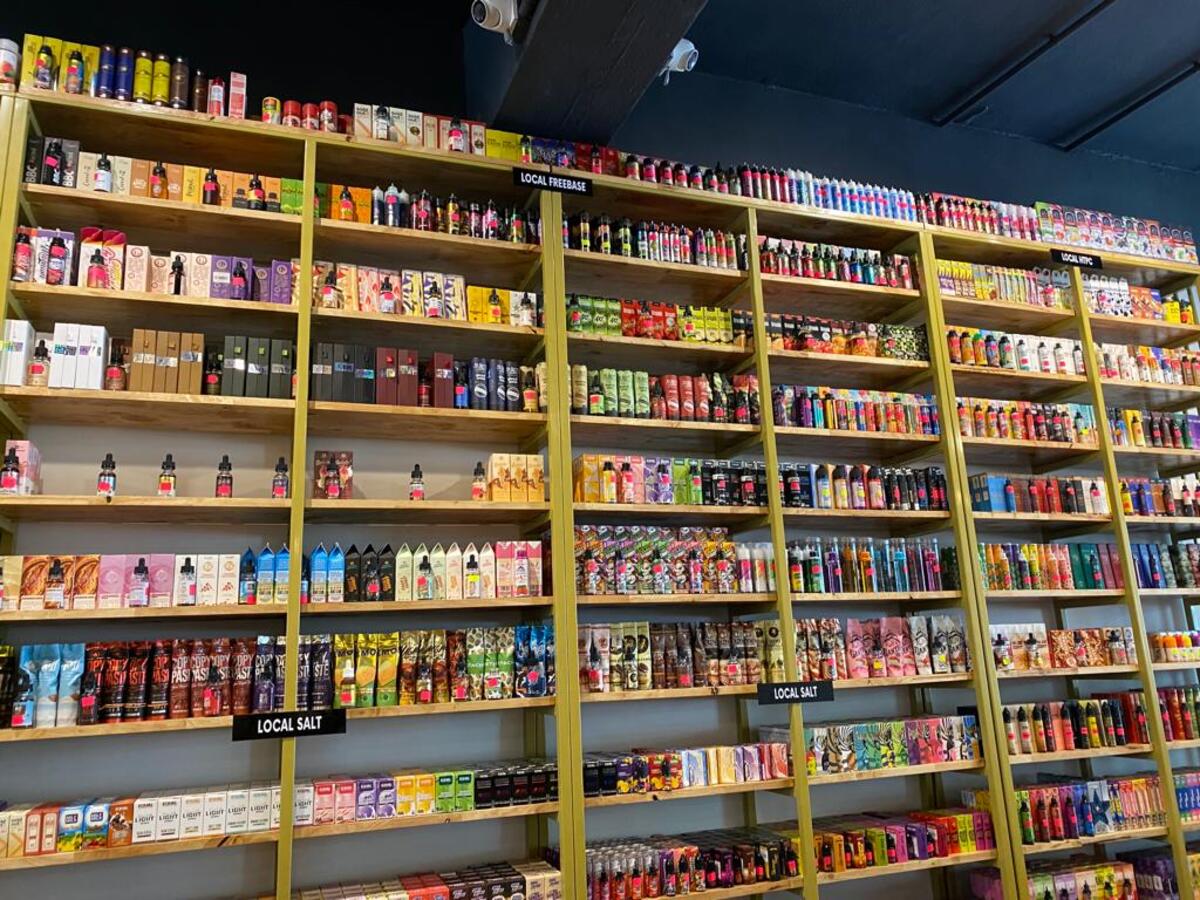
Nicotine vapes, whether liquids sold separately from open-system devices or liquid nicotine forming part of disposable vapes, are currently sold in not just specialty vape outlets, but also convenience stores, without pharmacists or doctors.
The health minister’s latest statement also raises questions about whether Putrajaya still intends to ban vape, after previously announcing plans to prohibit the products.
In his reply to Suhaizan, who chairs the Health parliamentary special select committee (PSSC), Dzulkefly said the MOH was examining legal coordination and implementation mechanisms following the government’s decision to withdraw its appeal against the High Court ruling.
“Any re-exemption of nicotine preparations in electronic cigarettes or vapes from Act 366, if necessary, would be for the purpose of coordinating legal issues in implementing measures towards banning electronic cigarettes or vapes,” Dzulkefly said.
The health minister also said the government remained committed to strict enforcement of existing laws, particularly to protect minors from the dangers of smoking products, including vapes.
“The government remains committed to continuing strict and continuous enforcement to ensure compliance with the provisions of the laws in force, with particular emphasis on protecting minors from the dangers of smoking products, including electronic cigarettes or vapes,” he said.
But the emphasis on protecting minors suggests that the government may be pursuing tighter regulation of vape sales, rather than an outright prohibition that would also prevent adults from buying the products.
Dzulkefly’s parliamentary reply didn’t explain how exempting nicotine-containing e-liquids from the Poisons List again would lead to a vape ban, as opposed to leaving nicotine vapes subject to only one statutory framework: the Control of Smoking Products for Public Health Act 2024 (Act 852) that permits smoking products, including nicotine vapes, for adults for recreational use.
He cited Act 852, which came into force on October 1, 2024, as providing the regulatory framework for smoking products, including vapes.
Dzulkefly also noted that a proposed re-exemption of liquid nicotine would not mean removing all nicotine preparations from the Poisons Act.
“This re-exemption does not mean that nicotine as a whole is no longer regulated under Act 366, as nicotine in other preparations would remain subject to the Act’s controls, including the importation of raw materials, which would still require a licence issued under Act 366,” he said.
The health minister further pointed out that nicotine in tobacco preparations has been exempted since 1952 under the Poisons Ordinance 1952, while nicotine patches and gums registered for smoking cessation under the Control of Drugs and Cosmetics Regulations 1984 were exempted in 2022 through Gazette notification P.U. (A) 309/2022.

