

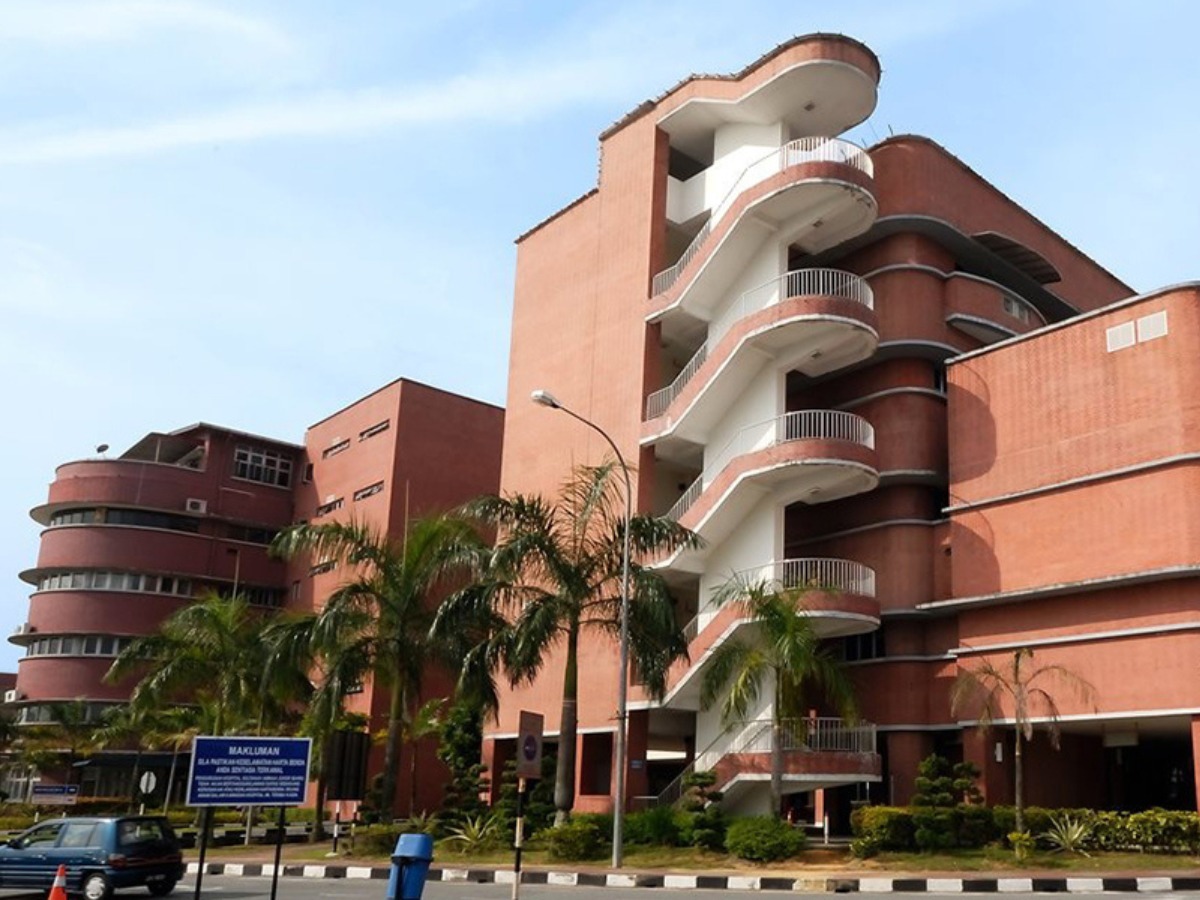
KUALA LUMPUR, Nov 20 — Dr Saravana Kumar Karupiah has resigned as head of Johor’s state cardiothoracic service and the southern zone’s cardiothoracic specialty, as well as head of the cardiothoracic surgery department at Sultanah Aminah Johor Bahru Hospital (HSAJB).
In two separate resignation letters to Johor state health director Dr Mohtar Pungut and HSAJB director Dr Mohamad Nizam Subahir on November 16, as sighted by CodeBlue, Dr Saravana Kumar tendered his resignation from all three positions with immediate effect.
Dr Saravana Kumar alleged “interference” in departmental management and administration that he claimed had hindered his ability to run the service and team under his responsibility.
“Among the matters of grave concern is the workload imposed on my department’s staff, who are required to provide services in two different hospitals. This has resulted in an excessive workload for staff, who are indeed limited in number,” wrote Dr Saravana Kumar in his letter to Dr Mohtar.
“Even more worrying is an expectation that my department staff will be transferred or placed in another hospital. Any reduction or transfer of staff without planning or discussion with the Cardiothoracic Service Head can jeopardise continuity of service, the team’s ability to perform surgery, as well as patient safety. Cardiothoracic services require a trained, experienced, and cohesive multidisciplinary team.”
When contacted, Dr Saravana Kumar confirmed his resignations from all three leadership positions last Monday but said he would continue to serve in the Ministry of Health (MOH) in his capacity as a consultant cardiothoracic surgeon.
“I would also like to clarify that Dato’ Dr Basheer’s decision to resign was not the reason for my decision. My resignation was an independent decision, primarily driven by the increasing bureaucratic hurdles, administrative red tape, and management-related constraints,” he told CodeBlue via email.
“Unfortunately, I am unable to disclose or elaborate further on these matters, as I am a civil servant and must adhere to the regulations governing public servants when communicating with the media.”
Free Malaysia Today (FMT) previously reported that Dr Basheer Ahamed Abdul Kareem, who is based in Penang, resigned with immediate effect last October 23 as head of MOH’s cardiothoracic surgery service.
MOH’s cardiothoracic surgical services are organised into seven centres serving different geographical zones. This arrangement is largely necessitated by the limited number of cardiothoracic surgeons available nationally. Dzulkefly told the Dewan Rakyat last Tuesday that the MOH only had 19 cardiothoracic surgeons, while claiming on Facebook that the “cardiothoracic specialist issue has been resolved” after the 2024 amendments to the Medical Act.
The seven cardiac centres are Pulau Pinang Hospital (HPP), Penang; Sultan Idris Shah Serdang Hospital (HSIS), Selangor; HSAJB, Johor; Tengku Ampuan Afzan Hospital (HTAA), Pahang; Sarawak Heart Centre (PJS), Sarawak; Queen Elizabeth II Hospital (HQE II), Sabah; and Raja Perempuan Zainab II Hospital (HRPZ II), Kelantan.
FMT reported recently that the sole cardiothoracic surgeon serving Kelantan and Terengganu has resigned and that HRPZ II’s cardiothoracic unit has been without a specialist since October.
In his resignation letter to the Johor state health director, Dr Saravana Kumar highlighted the decanting and relocation of HSAJB’s cardiothoracic service to Sultan Ismail Hospital (HSI) since October 2023, with this service only expected to return to the Johor state hospital nearly a decade later in 2032.
“During this period, we are forced to continue the service at Sultan Ismail Hospital, a hospital that was not originally designed as a cardiothoracic service centre,” he said.
Last July, CodeBlue published a letter by a medical officer complaining about how the division of Johor’s cardiothoracic service between HSAJB and HSI has forced doctors to frequently travel between both facilities that are 20km apart.
“Despite operating in limited circumstances and facing various challenges in infrastructure and human resources, the entire cardiothoracic team has shown very high levels of commitment and dedication.
“As a result of our joint efforts, we succeeded in maintaining a continuous surgical service, besides achieving the best performance and clinical results in 18 years of this service,” wrote Dr Saravana Kumar in his November 16 resignation letter.
“Nevertheless, these achievements should not be taken lightly or used as justification for continuing to burden the existing team. The morale, welfare, and motivation of staff are fundamental to the sustainability of a quality service.
“Interference in departmental management, as well as decisions relating to staff placement and utilisation made without the involvement of the Head of Service, have had a significant impact on the morale and motivation of the cardiothoracic team.”
Dr Saravana Kumar said that as Head of Service, he was responsible for operational efficiency, service development, patient safety, and the welfare and capabilities of the team under his supervision.
“However, this responsibility becomes increasingly difficult to discharge if operational and staff management decisions are made without taking into account the views and responsibilities of the Head of Service. I cannot be held responsible for the performance and continuity of a service if I am not given the appropriate authority and room to manage it.”
He further stressed that his resignation didn’t mean a lack of commitment to the MOH’s cardiothoracic service, but that he simply felt that he wasn’t able to effectively perform his responsibilities as Head of Service in the current circumstances.
In a separate resignation letter to the HSAJB director as head of the cardiothoracic surgery department, Dr Saravana Kumar complained about a lack of “professionalism, cooperation, and administrative support” from hospital management that was needed to run the department effectively.
“Many administrative decisions and instructions created restrictions on human resource management, delegation of duties, and operations of cardiothoracic services,” he wrote.
“For your information, HSAJB’s cardiothoracic service has been operating at Sultan Ismail Hospital under severely constrained conditions, without resources, facilities, or infrastructure that should have been provided for a tertiary specialty service.
“Despite facing such constraints, we worked to ensure continuity of service and gave the best treatment to patients from the whole of Johor and surrounding areas.
“Nonetheless, it’s very disappointing that management didn’t provide sufficient support for the efforts and sacrifices by staff. Instead, various administrative restrictions and instructions that didn’t take into account the reality of service operations made departmental management even more difficult.”
Dr Saravana Kumar wrote that he could no longer continue serving as head of department (HOD) effectively in the current circumstances. “I am not prepared to continue bearing accountability for a service if my ability to manage it and exercise professional judgement continues to be constrained by interference and administrative restrictions.”
With 4.2 million residents, Johor is the second most populous state in the country after Selangor.

