

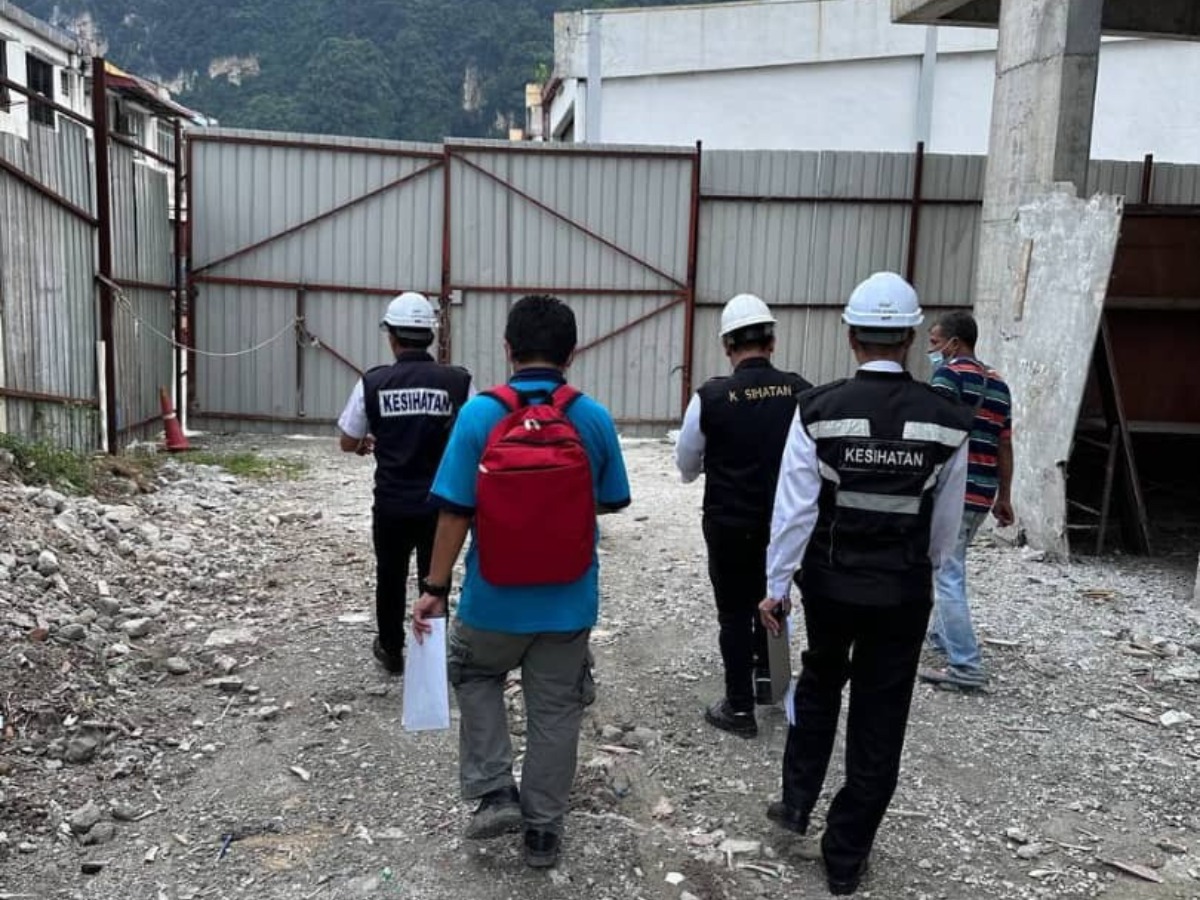
As Malaysia navigates the complex socio-economic challenges of 2026, a critical “structural inequity” has emerged within the public service, specifically threatening the welfare and safety of Ministry of Health (MOH) personnel.
A comprehensive strategic analysis reveals that the combination of the global energy crisis, recent fuel subsidy rationalisations, and the aggressive enforcement of mandatory job rotation policies has placed health care workers in a state of “double jeopardy,” leading to extreme burnout and a tragic increase in fatal road accidents.
The Energy Crisis And The Paradox Of ‘Essential’ Service
The landscape of 2026 is defined by a global energy crisis triggered by prolonged conflicts in the Middle East, which has seen crude oil prices surge by over 40 per cent, consistently exceeding US100$ per barrel.
In response, the Public Service Department (JPA) issued a landmark circular on April 2, 2026 (Ref: JPA.(S).800-1/1/12 Jld.2 (7)), mandating Work From Home (WFH) for federal officers to reduce national fuel consumption.
However, this policy strictly exempts “essential” sectors, including health, security, and education. For MOH personnel—ranging from enforcement divisions to primary health clinics—this means they are required to continue physical, on-site duties daily, while the rest of the civil service enjoys the flexibility of working from home three days a week.
This disparity has created a profound sense of “structural inequity,” as those tasked with maintaining the nation’s health are simultaneously the most exposed to the rising costs of physical mobility.
The Financial Toll: Fuelling The Commute
The financial burden on health care workers has been exacerbated by the rationalisation of the Budi Madani RON95 (Budi95) programme. Effective April 1, 2026, the government reduced the monthly subsidised fuel quota from 300 liters to 200 liters.
While intended to manage a monthly subsidy bill that has reached RM4 billion, the reduction has left frontliners — who have no choice but to commute — struggling with a monthly fuel cost increase of approximately RM188.
For many lower- and middle-grade officers in the Scheme U category, once the 200-litre quota is exhausted, they are forced to pay market prices as high as RM4.27 per liter (for the April 9-15 week).
An analysis shows that for a health care worker commuting between districts, the 200-litre cap is often exhausted within the first three weeks of the month, creating an unsustainable financial strain.
Mandatory Job Rotation: A Breaking Point
Compounding these economic pressures is the aggressive enforcement of mandatory job rotation policies. Reaffirmed by the Chief Secretary to the Government (KSN) in January 2025, the directive requires officers serving over five years in a single unit to be transferred to prevent “comfort zones” and ensure integrity.
While the policy aims to improve efficiency, its implementation in 2026 has become mechanistic. Many health care workers, who have established families and homes in specific districts, are being transferred to adjacent or distant districts solely to meet administrative quotas.
This total upheaval of their life ecosystems forces a choice between two detrimental options: enduring gruelling long-distance commutes or facing the high costs of relocation and rental in an inflated market.
The Road To Tragedy: Analysing The Fatigue-Accident Link
Perhaps the most alarming finding of the analysis is a direct correlation between these policies and an increase in road accidents involving MOH staff. The high workload at primary health facilities, combined with the stress of long commutes after eight to 12-hour shifts, has led to a surge in “microsleep” incidents.
Data from 2025 and 2026 highlights major cases where nurses and drivers lost their lives during work commutes, such as the fatal accident at Jalan Pekan-Nenasi. These tragedies are often the result of cumulative fatigue; health care workers operating outside normal circadian rhythms — such as evening shifts ending at 9.30pm — are four times more likely to be involved in an accident, particularly when driving on dark or damaged federal roads like the FT109.
The study concludes that the government has a moral responsibility to ensure that rotation policies do not inadvertently become a death sentence for public servants on the road.
Strategic Recommendations For Policy Reform
To restore morale and ensure the sustainability of the national health system, the report proposes five critical “Harmonisation Strategies”:
- Radius-Based Rotation Implementation: Job rotations should be limited to a 25km radius from an officer’s current residence or prioritise intra-facility transfers between units to avoid forced inter-district commuting.
- Specialised “Budi95 Plus” Incentives: Recognising that frontliners are exempted from WFH, a special fuel quota of up to 400 litres monthly should be granted to health personnel who must commute over 25 km for essential duties, validated via MyKad.
- Shift System Reform and Post-Call Protection: MOH must enforce a mandatory minimum 12-hour rest period between shifts and expand comfortable “on-call rooms” at primary health clinics to allow exhausted staff to rest before driving.
- Digitalisation and Welfare Weighting in HRMIS: The transfer process should integrate digital psychological profiling (8i2k) and provide higher weighting to welfare factors, such as caring for elderly parents or disabled children, when making placement decisions.
- Empowerment of the SME Career Path: Instead of random rotations, the Subject Matter Expert (SME) pathway (Circular UP.6.1.2) should be empowered to allow highly skilled officers to remain in specialised units through “Personal to Holder” promotions, thereby retaining expertise without relocation.
Conclusion
“Excellent performance cannot be achieved in an atmosphere of fear for personal safety and financial anxiety,” the report warns.
While the 2026 energy crisis requires collective sacrifice, that sacrifice must be equitable. The Ministry of Health and the Public Service Department must immediately re-harmonise these policies to protect the human capital that forms the backbone of Malaysia’s health care system.
Only by safeguarding the welfare of its personnel can the nation ensure a high-quality, sustainable health service for all.
The author is a senior assistant environmental health officer at the Ministry of Health.
- This is the personal opinion of the writer or publication and does not necessarily represent the views of CodeBlue.


