


By 2048, persons aged 65 years and above are expected to hit the threshold of 14 per cent of our population — officially placing Malaysia as an aged nation.
Yet despite years of warnings, ageing policy remains fragmented, reactive, and still too frequently framed around dependency, institutional care, or rising health care expenditure.
What kind of society do we want Malaysians to grow old in?
For most people, the answer is unsurprisingly consistent. They do not dream of spending their final years in institutions. They wish to remain at home — surrounded by familiar spaces, routines, neighbours, memories, family, and community life.
Ageing at home is not merely sentimental preference. It is strongly linked to dignity, identity, independence, emotional security, and mental well-being.
Encouragingly, recent public statements from the Ministry of Women, Family and Community Development have increasingly recognised this aspiration — that older persons should be supported to remain in homes and communities for as long as safely possible rather than institutionalised prematurely. This is a positive direction.
But ageing at home must not become growing old alone. That distinction may become one of Malaysia’s defining social policy tests.
Importantly, older persons living at home are not one homogeneous group. Dependent older persons — particularly those with disability, frailty, dementia, or severe chronic illness — require structured support systems, caregivers, rehabilitation, and healthcare integration. This has increasingly entered national discussion.
But another large group deserves equal attention. These are independent older persons. Recently retired individuals. Older adults who remain mobile and functional but are beginning to experience gradual declines in strength, memory, balance, stamina, hearing, vision, confidence, or social engagement. Some live with spouses, some with adult children, some entirely alone.
Many belong to the emerging “sandwich generation” household — where middle-aged adults simultaneously support ageing parents while raising children and managing careers.
These independent older persons are often overlooked precisely because they are still functioning. Yet this stage may determine whether ageing remains healthy — or accelerates into avoidable decline.
Ageism rarely appears as open discrimination. Instead, it quietly shapes assumptions embedded into homes, transport, healthcare, workplaces, and public policy.
Older people are often expected to gradually withdraw from visibility — first from work, then mobility, then participation. This mindset affects how communities are designed.
Most Malaysian homes were not built with ageing in mind. Steep staircases, slippery bathrooms, narrow corridors, poor lighting, high kitchen cabinets, uneven pathways, small obstacles that become major barriers later in life. Yet many solutions are neither technologically difficult nor prohibitively expensive.
Simple modifications — grab bars, anti-slip flooring, improved lighting, ramps, wider doorways, handrails, and walk-in showers, stable seats when showering and getting dressed — can significantly reduce falls and preserve independence.
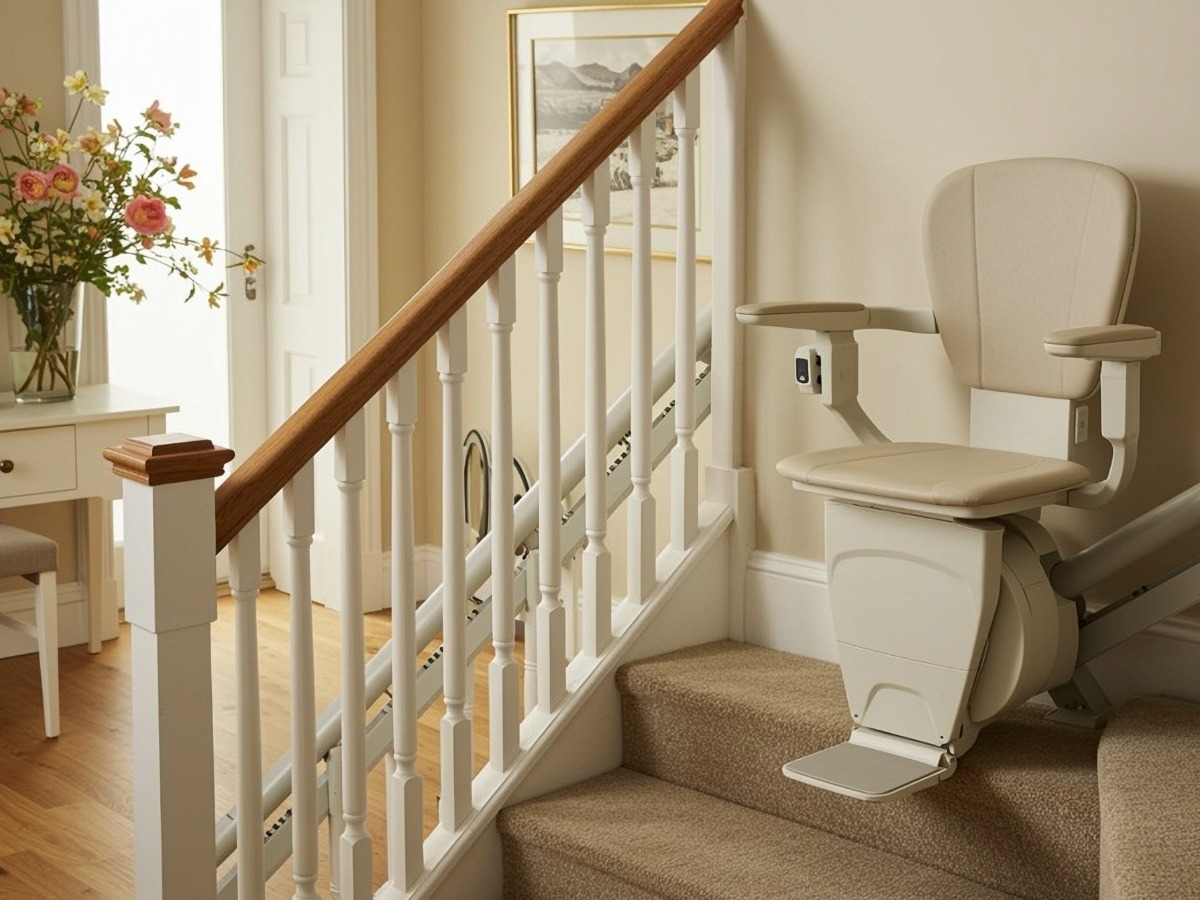
For multi-storey homes, stairlifts, platform lifts, compact residential elevators, or converting ground-floor spaces into elder-friendly bedrooms may become necessary.
But this discussion is not merely about preventing injuries. It is about preserving inclusion. If older persons can no longer comfortably join family meals, access prayer areas, participate in conversations, or move freely within their own homes, they risk becoming socially isolated while physically present. Ageing at home must never become ageing in confinement.
If policymakers genuinely expect families to care for older parents at home, then elder care cannot remain entirely a private burden. Malaysia should seriously consider introducing:
- Tax relief for multi-generational living arrangements.
- Matching grants for age-friendly home renovations.
- Subsidised installation of accessibility modifications, including lifts and mobility equipment.
- Caregiver allowances.
- Low-interest financing for home adaptation.
- Incentives for employers to support workers with caregiving responsibilities.
These investments may cost far less than institutional care later.
But infrastructure alone is insufficient. Homes must remain psychologically alive. Too often, ageing at home slowly becomes prolonged sitting, passive television viewing, and increasing dependence on phones or tablets.
Healthy ageing requires active engagement. Families and carers should be trained not merely to supervise but to activate. Simple interventions matter: conversation, storytelling, board games, religious study circles, gardening, walking groups, light exercise, music, memory activities, volunteering, community teaching, intergenerational interaction.
The ageing brain requires stimulation. Cognitive reserve is built through participation. Remaining mentally active may delay decline and preserve purpose.
This brings us to one of the most uncomfortable conversations Malaysia must begin having – Kodokushi. This Japanese term refers to “lonely deaths” — where individuals, often older persons, die alone and remain undiscovered for days or weeks.
Japan’s ageing experience has turned kodokushi into an internationally recognised warning. But this phenomenon is not uniquely Japanese. Across countries, including parts of Southeast Asia, similar cases increasingly emerge.
Even globally recognised individuals have not been immune to concerns surrounding ageing, isolation, and delayed welfare recognition in later life — reminding us that social connectedness cannot be assumed.
Malaysia too has recorded incidents where elderly persons living alone were only discovered after prolonged absence or neighbours noticing unusual silence. These are not merely personal tragedies. They reflect gaps in community vigilance and system design.
Preventing lonely deaths cannot rely solely on family goodwill. We need layered protection – regular contact from family, neighbourhood watch culture, resident associations, mosques, churches, temples, volunteer networks. We need scheduled welfare checks, digital check-in systems, periodic home visits by social workers and community health teams.
Local councils and welfare authorities should identify high-risk households and maintain active outreach, because dignity includes not only independence. It includes being noticed.
Malaysia already possesses important foundations:
- The National Policy for Older Persons.
- PAWE community centres.
- Bantuan Warga Emas.
- Community support programmes.
- Emerging discussions under the 13th Malaysia Plan.
These are meaningful beginnings.
But they remain fragmented. Malaysia still lacks a fully integrated Ageing-at-Home Framework linking housing, health care, mobility, social care, caregiver training, financial protection, legal rights, community engagement, and long-term care planning.
The next decade offers a narrow but valuable window. If action is delayed, demographic change will arrive faster than reform.
Ultimately, the measure of a society is not how efficiently it manages decline. It is how intelligently and compassionately it designs longevity. A truly age-friendly nation does not merely extend lifespan.
It redesigns homes, strengthens families, supports caregivers, creates connected communities, protects independence and ensures older persons remain visible, purposeful, safe, and respected.
The question is no longer whether Malaysians will grow old. The question is: Will they grow old connected or isolated, included or invisible, supported or forgotten?
Malaysia still has time to decide. But not much.
Dr Zarihah Zain is a public health physician who retired from the Ministry of Health in 2012 and is now a part-time lecturer in community medicine and medical ethics.
- This is the personal opinion of the writer or publication and does not necessarily represent the views of CodeBlue.


