

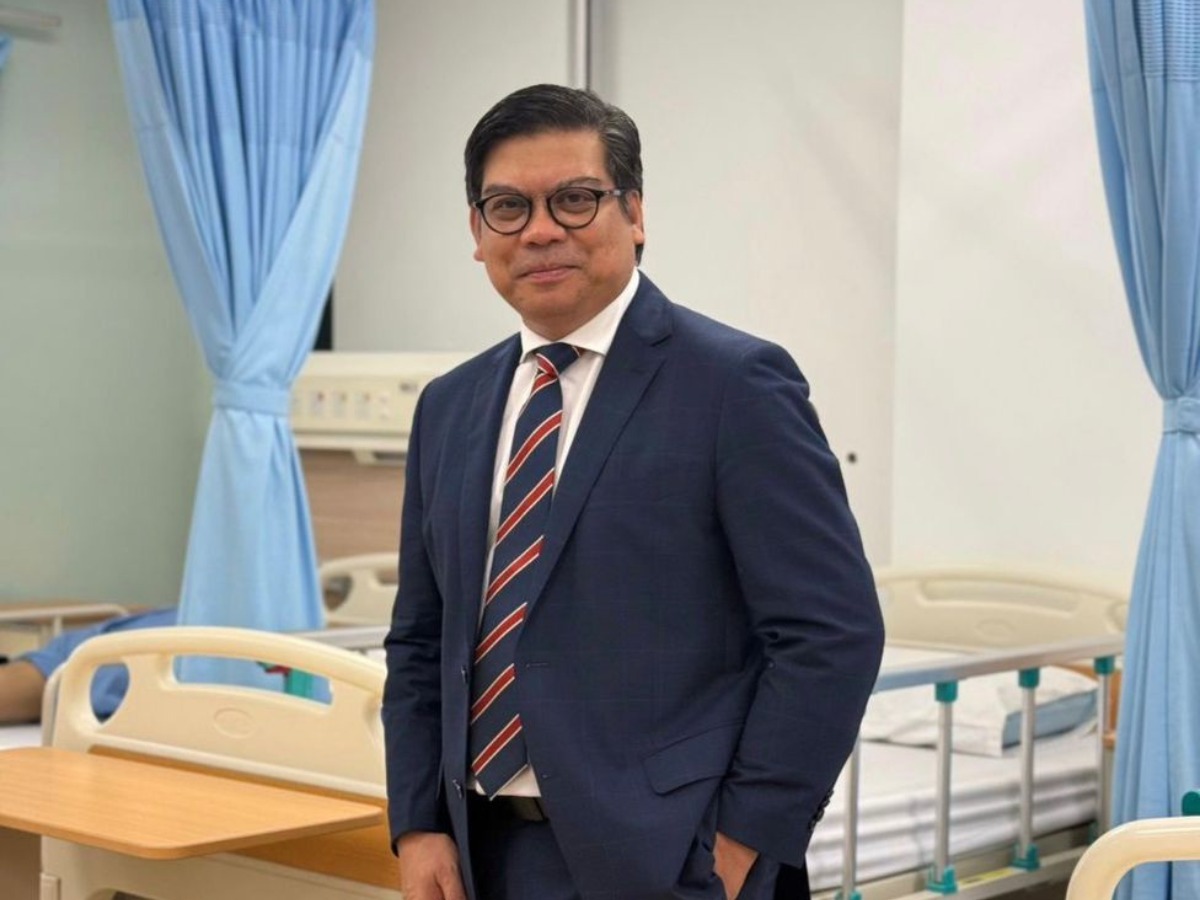
Every year on May 19, the world marks World IBD Day. This year’s theme: “IBD Has No Borders: Access to IBD Care” could not be more timely for Malaysia.
For too long, inflammatory bowel diseases (IBD) like Crohn’s disease and Ulcerative Colitis were brushed aside as rare “Western” diseases, irrelevant to our local context. I wish that were still true. As a clinician and IBD physician seeing patients weekly, I can tell you it is absolutely not true anymore.
Malaysia is in the middle of a quiet epidemic. Multi-decade longitudinal data shows our national IBD incidence has nearly doubled over the past decade. It is important to note that we are no longer in the early, manageable phase of this epidemiological transition.
Historically, IBD in Malaysia was concentrated in urban centres and linked to specific genetic risk profiles such as our Malaysian Indian community, for instance, that bears a disproportionately higher disease burden.
But that picture is changing fast. We are now seeing rising IBD cases in rural and semi-urban areas, driven by rapid shifts in diet, lifestyle, and environmental exposures that have reached every corner of the country.
IBD symptoms include chronic diarrhoea, abdominal pain, blood in the stool, and unexplained weight loss. These are routinely mistaken for common bowel infections even mistakenly with irritable bowel syndrome (IBS).
Sometimes patients spend months, cycling through ineffective treatments before they ever see an IBD physician. By the time they are correctly diagnosed, the disease has frequently progressed to serious complications: bowel strictures, fistulas, or conditions that require advanced therapy and or surgical intervention. This could have been prevented.
At present, there is a rapid development of advanced therapies available in Malaysia ranging from biologic to the small molecules. The landscape of treatment paradigm has shifted significantly for the past one decade.
As we mark World IBD Day 2026, I urge these concrete actions:
- National awareness and public campaign to increase knowledge, attitude and practice towards IBD at all levels.
- Expand IBD non-invasive diagnostic tool and training to primary care and other health care professionals to diagnose and treat IBD earlier.
- Equal access to advanced therapies to all IBD patients with moderate to severe disease.
- Strong patient support systems and structured referral pathways to IBD specialists in the country.
As we mark World IBD Day 2026, I call upon our policymakers, health care advocates, and fellow medical professionals to bridge these gaps. We must expand diagnostic and advance therapeutic care to all our IBD patients. No IBD patients should be diagnosed and treated late and suffer many avoidable complications.
Finally, I appreciate all my IBD patients and their relatives /carers that have put your trust in me and letting me support and treat you during some of the most trying and sensitive times in your priceless life.
You have all taught me the true meaning of courage, perseverance, resilience, and optimism for the near future, even though medicine has taught me the fundamental and advanced science of IBD.
A very happy World IBD day to all.
The author is an IBD physician; IBD Committee Member for the World Gastroenterological Organization (WGO); Secretary General, Asian Pacific Association of Gastroenterology (APAGE); and Dean and Professor of Medicine at Jeffrey Cheah Sunway Medical School, Faculty of Medical and Life Sciences, Sunway University.
- This is the personal opinion of the writer or publication and does not necessarily represent the views of CodeBlue.


