

Malaysia has made significant progress in improving maternal and reproductive health over recent decades, with maternal mortality falling substantially and access to care now widespread.
These gains are rightly recognised as a public health success. But the context in which women live, work, and age is changing – and health policy now needs to keep pace.
Women in Malaysia are living longer, spending more years in the workforce, and facing a growing burden of non-communicable diseases such as diabetes, cardiovascular disease, and cancer. National surveys show that more than half of adult women are now overweight or obese, and around one in five are living with diabetes.
These conditions, alongside cancers such as breast and cervical cancer and cardiovascular disease, now account for the majority of health loss among women in Malaysia. This reflects a broader shift in risk factors, including low physical activity among women, and changing diets associated with urban living.
These shifts are not unique to Malaysia, but they raise an important question: are current health policies fully aligned with the realities of women’s lives today?
A recent analysis by Monash University Malaysia and Global 50/50, examining national health strategies across Asean countries, suggests that while women’s health is consistently recognised, it is still most often framed through maternal and reproductive health programmes. Malaysia broadly reflects this regional pattern, while also showing emerging elements of a more explicit life-course approach.
Government policy documents, including the Health White Paper and the National Women’s Policy, demonstrate a clear commitment to women’s health. There are strong foundations in place, including gender data systems, attention to equity, and the inclusion of women-specific indicators.
However, while policy frameworks increasingly reflect a life-course perspective, important gaps remain in how comprehensively women’s health is addressed across different stages of life.
In practice, this means that while different stages of women’s lives are acknowledged, they are not yet consistently articulated as a fully integrated approach that connects prevention, early diagnosis, treatment, and long-term care across the life course.
In Malaysia, most women have multiple contacts with the health system during pregnancy, with high antenatal care coverage, yet this is not always systematically linked to screening or follow-up for conditions such as hypertension or diabetes later in life.
This is material where around one in six adults is living with diabetes and nearly one in three with hypertension, many of them undiagnosed or diagnosed late, with risks increasing for women as they age.
At the same time, Malaysia is ageing faster than many realise and is projected to become an “aged” society within the next two decades, with older adults making up a rapidly growing share of the population. This makes attention to women’s health in later life increasingly important. Yet policy attention to older women and healthy ageing remains limited.
This is not unusual. For decades, health systems, in Malaysia and globally, have been organised around maternal and child health and family planning programmes.
These investments delivered important gains, but they also shaped how services are structured and financed. Policy frameworks appear to lag behind and are not easily reconfigured to reflect the broader, evolving health needs of women over time.
This matters because policy framing shapes what is prioritised, funded, and delivered – and what gets missed. When women’s health is primarily organised around specific programmes, broader needs can fall through the gaps.
Opportunities for early prevention, such as for cervical cancer, may be missed. In Malaysia, around half of women with cervical cancer present with late-stage disease, with around half dying from the disease, despite it being largely preventable through vaccination and screening.
Chronic conditions such as diabetes are often diagnosed later than optimal, in a context where around one in six adults in Malaysia is already living with the condition, many of them undiagnosed.
As a result, many women only encounter these conditions once symptoms become more serious, rather than through earlier, routine screening, raising the risk of complications and avoidable hospital care.
And women may find themselves navigating fragmented services, for example, moving between primary care clinics, specialist services, and follow-up appointments. Without clear coordination, women often repeat consultations and bear the time and financial costs of a system that is not fully designed around their needs.
Malaysia has built strong foundations in maternal and reproductive health. The next step is to build on those foundations and adapt policy frameworks to reflect the full spectrum of women’s health needs across the life course.
Malaysia is well-positioned to take this next step. As the country moves forward with implementing the Health White Paper, including efforts to strengthen primary care and improve continuity of care, there is a timely opportunity to better integrate women’s health across services.
This includes linking prevention, screening, and long-term management of chronic conditions alongside reproductive health services, in ways that reflect women’s needs across different stages of life.
At the regional level, Asean’s ongoing work on gender equality and health system strengthening also provides a platform for shared learning and policy development. As noted in the foreword to the report by the Asean Deputy Secretary-General, women’s health is increasingly recognised as integral to broader goals of resilience, inclusion, and human security.
Aligning health policy with the realities of women’s lives is therefore not only a health issue, but a wider social and economic priority.
As the health needs of Malaysian women continue to evolve, the question is no longer whether women’s health matters. It is whether policy frameworks are keeping pace and, thus, whether health systems are designed to respond accordingly.
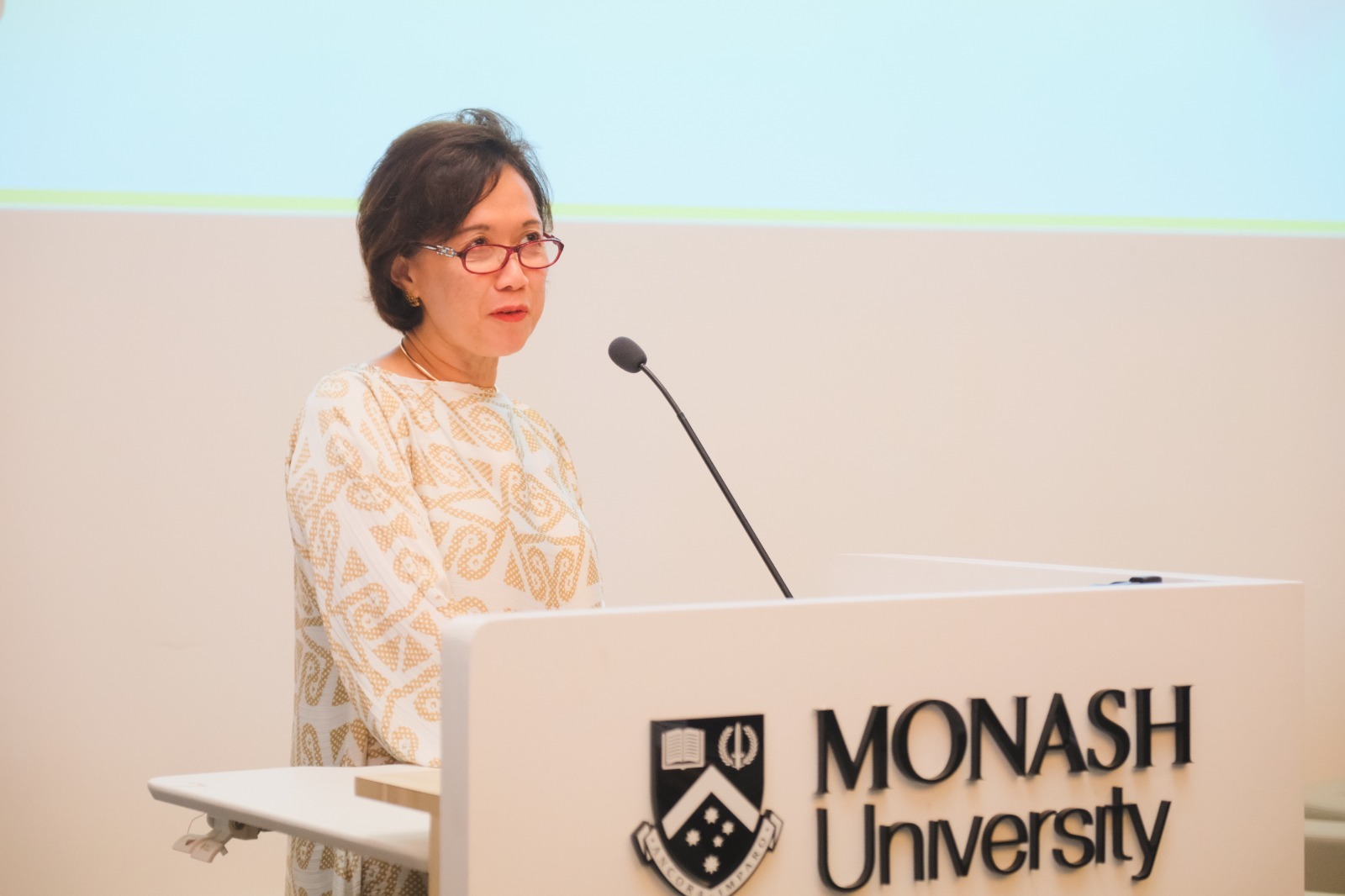
The author is president and pro vice-chancellor at Monash University Malaysia.
- This is the personal opinion of the writer or publication and does not necessarily represent the views of CodeBlue.


