

KUALA LUMPUR, May 21 — It is an all-too-familiar case of knowing something is good for you but not taking action.
The annual influenza shot can go a long way in preventing severe disease and life-threatening complications, yet vaccination rates are alarming low among high-risk adults, namely those living with chronic health conditions and older persons.
A 2025 nationwide survey of 672 Malaysians aged 60 and above, conducted collaboratively by the Ministry of Health Malaysia, the Malaysian Influenza Working Group (MIWG), and leading public universities, revealed high awareness of influenza (74 per cent), with 76 per cent reporting positive attitudes towards influenza vaccination.
However, only 29 per cent have ever received the vaccine, with just about half of this small group getting their shots annually.
In the spirit of National Immunisation Day, which was observed on May 7, 2026, Malaysian adults are encouraged to take action and make a positive change towards better health and peace of mind through influenza vaccination.
The vaccine is available at general practitioner (GP) clinics and private hospitals nationwide for a fee. Alternatively, you can get it at selected Ministry of Health (MOH) clinics and hospitals.
The MOH is also offering influenza vaccination for eligible individuals, namely aged 50 and above living with at least one chronic condition and older adults aged 60 and above, regardless of health status.
The public is encouraged to check the availability of the vaccines at government facilities or book appointments via the MySejahtera app.
Influenza Vaccination Matters
Prof Dr Zamberi Sekawi, president of the Malaysian Society of Infectious Diseases and Chemotherapy (MSIDC), emphasises, “Influenza vaccination remains one of the most reliable ways to reduce the impact of infection, particularly among those at higher risk.”
He noted that unlike countries with distinct winter seasons, influenza circulates throughout the year in Malaysia, making vaccination especially important.
“Influenza vaccination has been used for decades with a well-established safety profile, and continues to be a dependable way to reduce complications and the need for hospitalisation,” he added.
Influenza And Chronic Conditions: A Hidden Risk
Prof Dr Roslina Manap, chairperson of the Lung Foundation of Malaysia, highlighted that influenza vaccination is particularly important for adults in Malaysia, where a large proportion are living with non-communicable diseases (NCDs).
“Data from the National Health and Morbidity Survey (NHMS) 2025 shows that 68% of adults aged over 60 years have at least two NCDs, while about 30 per cent live with all three major conditions, namely diabetes, high blood pressure, and high cholesterol,” she said.
These conditions place individuals at higher risk of severe influenza and complications, and infection can further worsen existing diseases.
Individuals with heart disease, for example, face up to five times higher risk of influenza-related death, while those with diabetes are up to three times more likely to die and six times more likely to be hospitalised due to complications.
“Because of this, many clinicians emphasise that vaccination should be considered a standard part of managing chronic conditions, not just an optional preventive measure,” she added.
Influenza And The Ageing Community
As Malaysia moves towards becoming an ageing nation, more older adults are living longer, often with multiple health conditions.
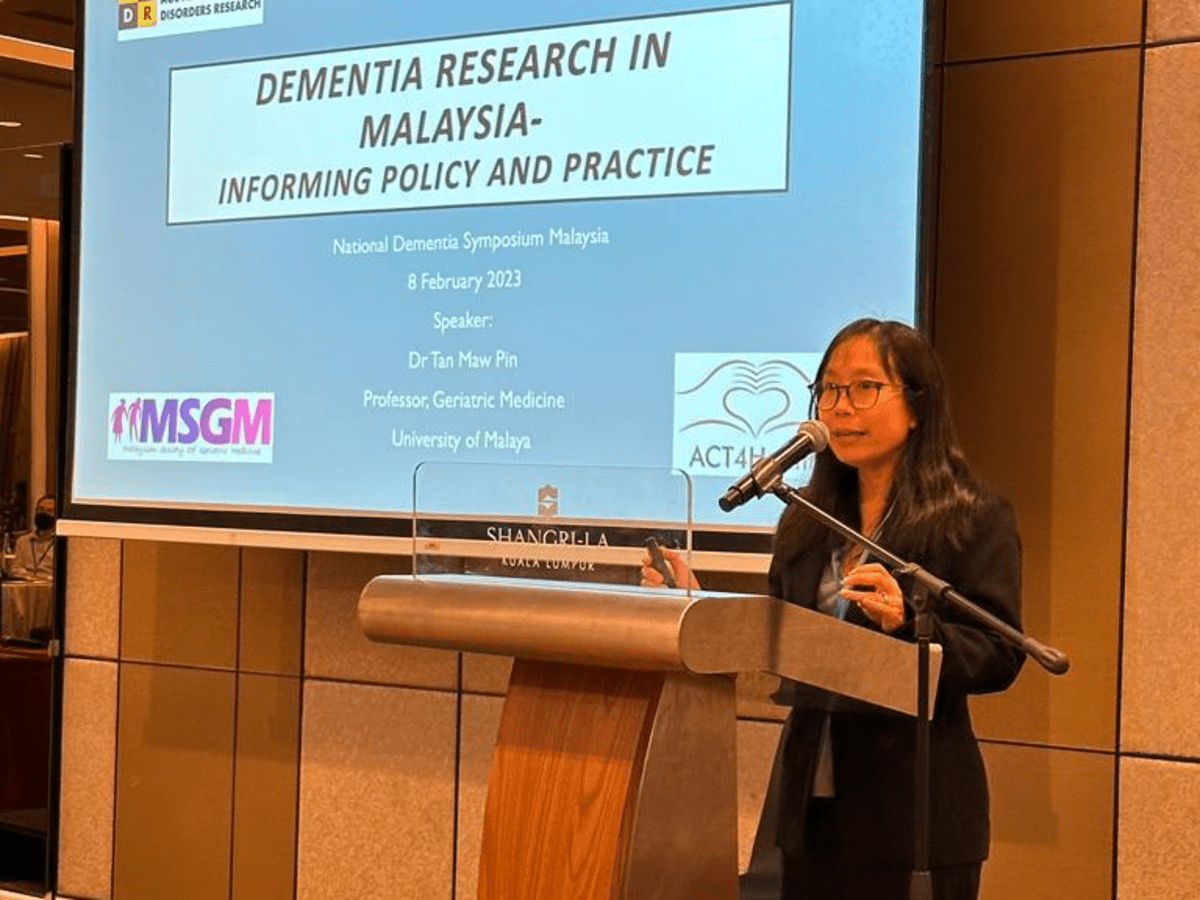
Prof Tan Maw Pin, immediate past president of the Malaysian Society of Geriatric Medicine (MSGM), explained that ageing naturally weakens the immune system, making infections like influenza harder to recover from and increasing the risk of hospitalisation.
This vulnerability is also reflected in local data. A retrospective study conducted at the Universiti Malaya Medical Centre (UMMC) found that influenza has a disproportionately higher impact on older persons, with nearly one in three individuals aged 65 and above experiencing serious outcomes such as hospitalisation, intensive care admission, or death within a year owing to influenza-related illnesses or complications.
“For many older persons, serious illness can take a toll not just physically, but also emotionally and financially, affecting their independence and quality of life.
“An annual influenza vaccination is one of the simplest and kindest ways to help maintain strength, independence, and overall well-being,” said Prof Tan.
Looking ahead, she expressed hope that access to influenza vaccination can continue to expand for all older persons, viewing it as a meaningful investment in long-term health and well-being.


