

KUALA LUMPUR, May 5 — The government backbenchers club (BBC) has called for an expedited introduction of the Base Medical and Health Insurance/Takaful (MHIT) product to deal with health spending cuts in the public sector.
The Base MHIT product, aimed for a “pilot” in the Klang Valley in July, was designed by Bank Negara Malaysia (BNM) and the government to be offered by private insurance and takaful operators (ITOs) to cover private health care.
Aside from a coverage limit of RM100,000, full details about the premium rates for all age bands, whether pre-existing conditions will be covered, which ITOs will offer the Base MHIT, and panel hospitals have yet to be disclosed.
Participating ITOs are to be the underwriters of the Base MHIT, whereas policyholders are meant to pay for premiums out of their own pocket. The government doesn’t invest a sen into the product, whether to subsidise premiums or cover claim payouts.
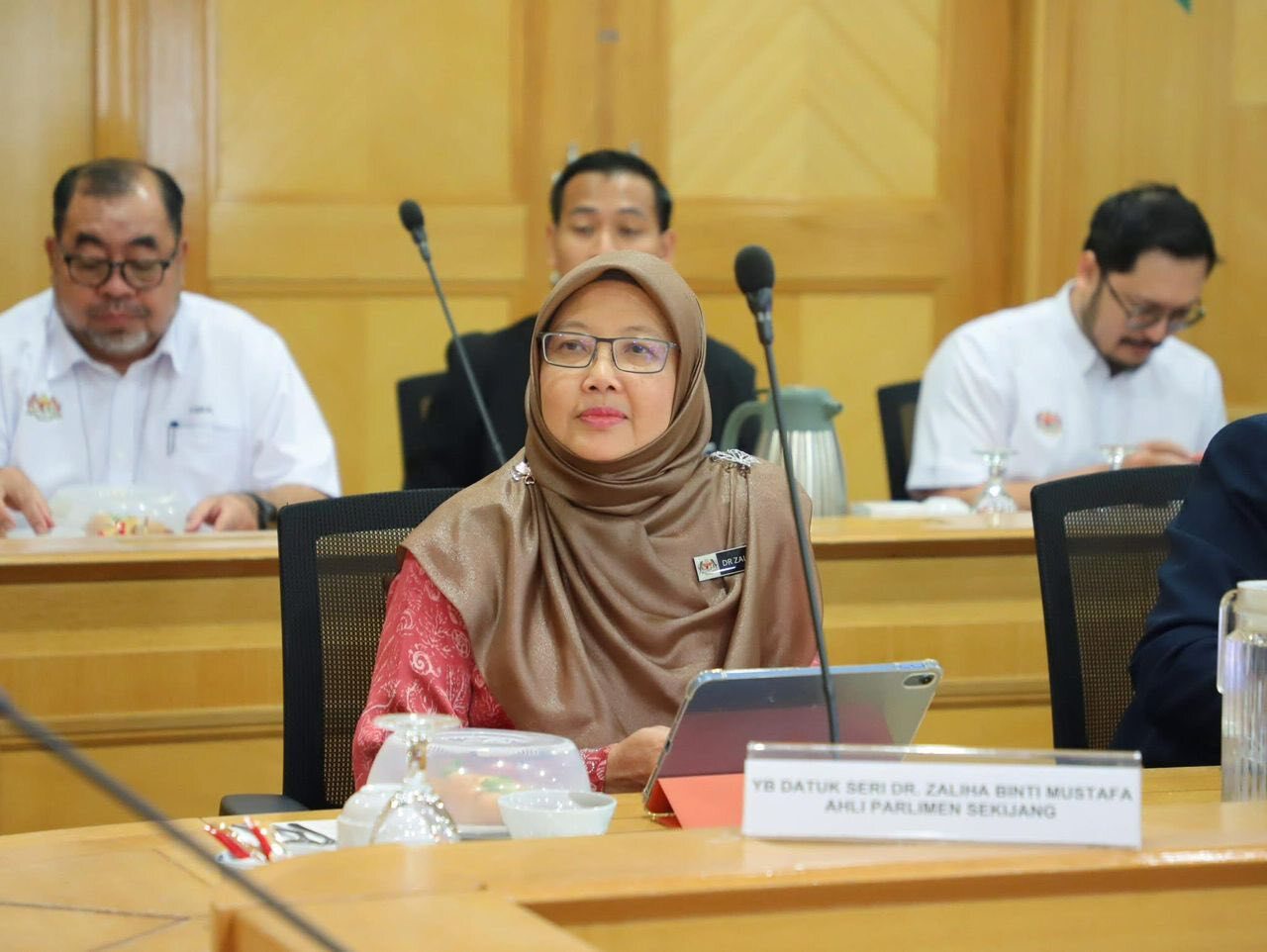
“The introduction of the Base MHIT should be expedited as an alternative financing mechanism to reduce full dependence on federal funding, thereby ensuring a health care system that is inclusive, sustainable, and affordable,” said BBC chairwoman Dr Zaliha Mustafa, who is also Sekijang MP, in a statement yesterday.
The former health minister also urged the government to present a comprehensive mitigation plan to deal with health spending cuts, which Health Minister Dzulkefly Ahmad has said may amount to 10 per cent of the Ministry of Health’s (MOH) RM46.5 billion budget this year, or RM4.65 billion.
“In addition, to optimise the use of existing financial resources, the BBC proposes that the government temporarily defer plans to build new hospitals and instead focus on upgrading existing hospital facilities, including ensuring adequate availability of medical equipment and supplies,” said Dr Zaliha.
“At the same time, the government is also urged to strengthen support for the development of local pharmaceutical and medical device manufacturing capacity to ensure long-term national health supply security.
“The BBC also believes that the agenda to refurbish dilapidated health clinics must remain a national priority. These primary care facilities should be upgraded at least to the capacity of Type 4 Health Clinics so that daily treatment services can be delivered more comprehensively at the community level, as an effort to reduce patient congestion in public hospitals.”
Prime Minister Anwar Ibrahim, who is also finance minister, indicated yesterday that health spending cuts would also hit development expenditure, besides operational expenditure, citing the “luxurious” scope of hospital projects that could be downscaled.
Dzulkefly said the MOH would submit a counter-proposal on spending cuts to the Treasury.
CodeBlue earlier reported that pharmacists are bracing for a reduction in drug dispensing supply and cuts to more effective diabetes and cardiovascular drugs, while doctors have warned that they won’t work for free if on-call claims are prohibited.


