

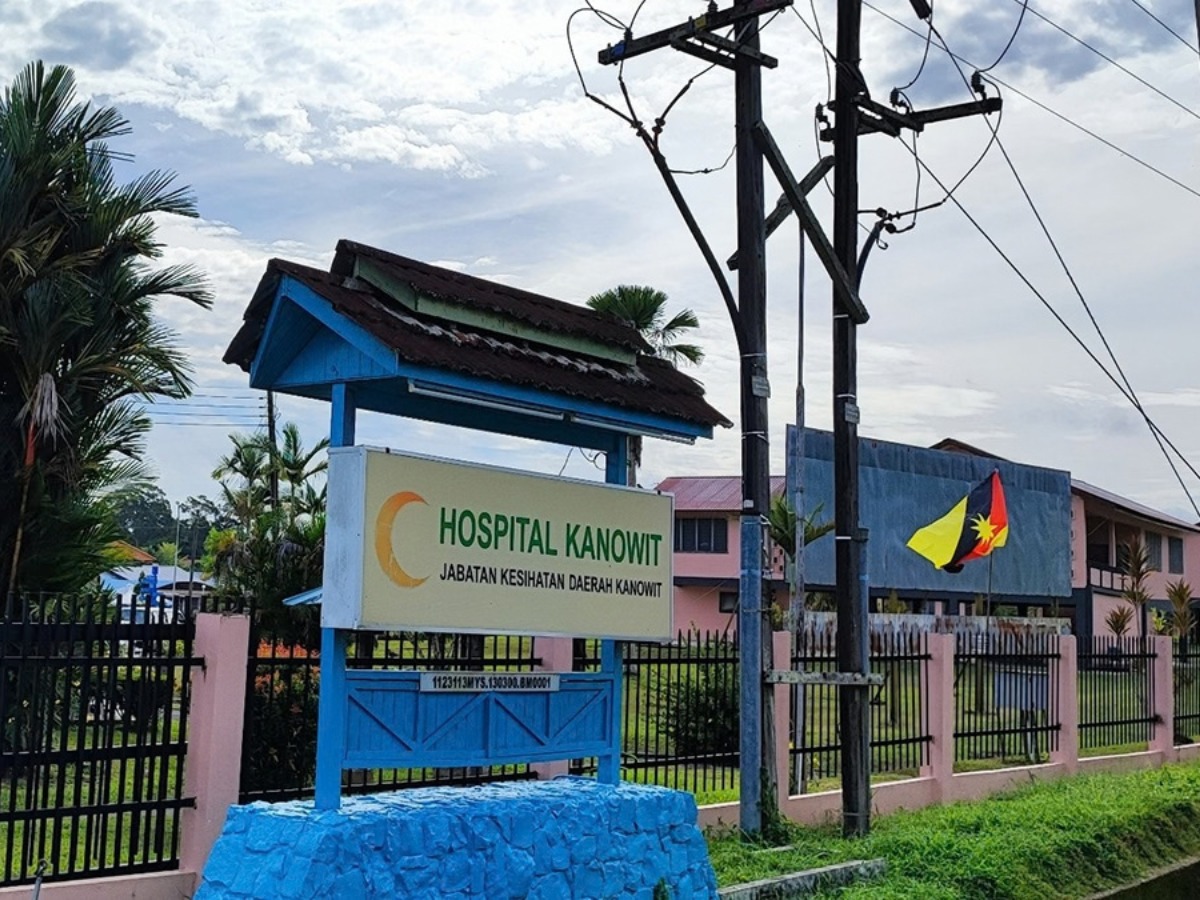
Much noise has been made about doctors supposedly not turning up for permanent postings in Sabah and Sarawak.
First, some perspective: the reported 70 to 76 per cent no-show figures, and even 100 per cent no-shows, are still preliminary, and the Ministry of Health (MOH) has said officers have until October 7 to complete their reporting process. So yes, get the final numbers first.
But even if the eventual figure is lower, the warning sign is obvious. Malaysia has a doctor-retention problem. Not merely a Sabah-and-Sarawak problem.
Between 2023 and 2025 alone, 3,511 medical officers resigned from MOH. The health minister himself acknowledged that doctors can leave for the private sector or take opportunities overseas, and the government cannot simply prevent them from doing so.
So let’s talk about manpower realistically.
Hospitals throughout Malaysia need doctors. Private hospitals want doctors. Other countries recruit doctors. Australia, the UK, Ireland and Singapore are among the destinations Malaysian doctors consider for training and employment.
Doctors today have choices. And when people have choices, shouting “We need doctors!” is not a recruitment strategy. Sabah and Sarawak are not somehow automatically entitled to doctors simply because there are vacancies there.
If you are asking someone to leave their hometown, parents, spouse, children and support system, cross the South China Sea, relocate their entire life and possibly work in an understaffed or remote facility, then the offer must reflect the sacrifice.
You want talent? Compete for talent. This requires both meaningful monetary AND non-monetary incentives.
My proposal?
- State retention top-up: 30 to 40 per cent of federal basic salary: The federal government pays the normal salary. Sabah or Sarawak adds a substantial state-funded premium. Not RM100 here, RM200 there, but something significant enough to change someone’s decision.
- Cost of living allowance: RM1,500/month.
- Housing allowance: RM1,500/month, or proper government accommodation.
- Enhanced regional/service allowance: RM3,000/month, with even greater incentives for genuinely remote areas.
- Education assistance or state scholarships for doctors’ children.
- Three return flights to the doctor’s home region every year: Family separation has a cost. Recognise it.
- State-funded supplementary retirement contribution or retention fund: Serve five years? Reward it. Serve ten years? Reward it more.
- Sabah/Sarawak postgraduate scholarships and specialist-training opportunities, tied to an appropriate return-of-service agreement.
That creates something doctors can actually see: A future.
The Malaysian Medical Association (MMA) itself has called for stronger East Malaysia allowances, housing assistance, transport support, relocation help, better quarters, and career incentives. It also warned that repeatedly posting doctors without a credible retention strategy merely creates vacancies on paper.
And this is where Sabah and Sarawak’s leaders need to decide what they actually want. If the response every year is:
“We lack doctors.”
“We need more doctors.”
“Please send us doctors.”
Fine. But what are you offering? Crying publicly about manpower while offering an ordinary package for an extraordinary relocation requirement will not suddenly produce doctors.
The labour market has changed. Doctors have options. Private sector. Overseas. Different career pathways. Different lifestyles.
If Sabah and Sarawak genuinely want to attract talented doctors and keep them there, do not merely ask people to come. Make them WANT to come. Spend on retention, housing, families, and career development.
Make the package outstanding enough that a doctor sitting in Kuala Lumpur, Penang, or Johor looks at it and says: “Actually… this is worth considering.”
The mathematics really isn’t complicated. Time is running out.
To the leaders of Sabah and Sarawak: Are we going to walk the walk? Or just keep talking the talk while the vacancies remain empty?
The author is a physician working in Selangor. CodeBlue is providing the author anonymity because civil servants are prohibited from writing to the press.
- This is the personal opinion of the writer or publication and does not necessarily represent the views of CodeBlue.


