

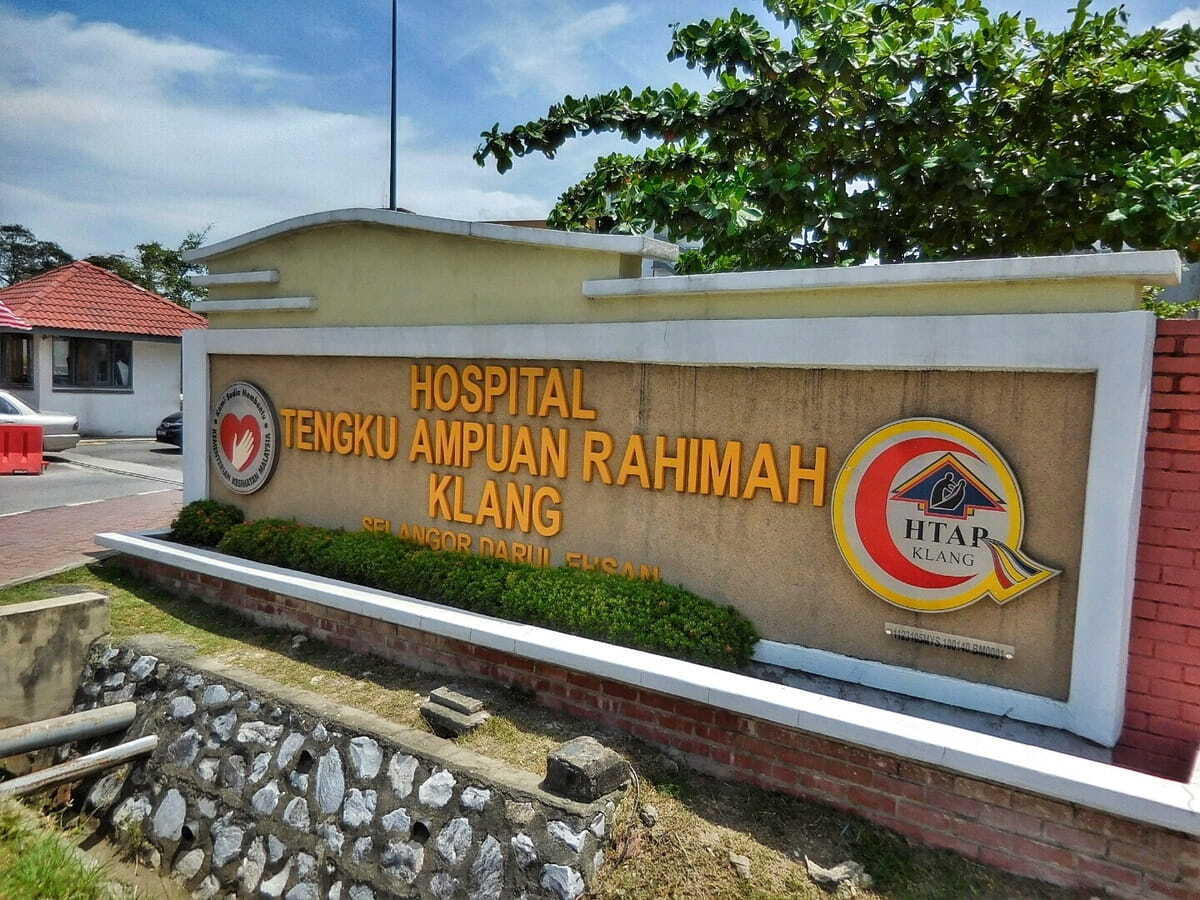
This is an anonymous concern from frontline surgical medical officers (MO) at Tengku Ampuan Rahimah Klang Hospital (HTAR).
We are no longer writing about work stress, burnout, or heavy workload. We are writing because surgical services in HTAR are now operating beyond safe human and operational limits.
This is no longer a mere workforce issue. This is a patient and medical staff safety issue. We are foreseeing a preventable health care disaster.
HTAR is among the busiest government hospitals in Malaysia. Yet the General Surgery Department is currently functioning with approximately 20 medical officers to sustain the workload of a major tertiary referral centre.
Fifteen general surgery, one paediatric surgery, and four neurosurgery service medical officers at HTAR’s Department of Surgery cover:
- Three major surgical wards (40 patients each).
- One paediatric surgical ward/PICU/NICU (approximately 15 to 20 patients).
- Intensive care unit (ICU) patients (three ICUs).
- Emergency Department (ED) surgical referrals.
- Elective and emergency operating theatres.
- Daily specialist clinics (SOPD).
- Inter-hospital transfers.
- Peripherals cases/referrals.
This means that a severely depleted workforce is expected to maintain services for 300 to 400 patients per day (inpatients, outpatients, and ED), while simultaneously sustaining emergency surgical services for one of the busiest hospitals in the Klang Valley.
Current General Surgery (GS) services manage:
- ED referrals: Approximately 30 to 50 referrals every 24 hours (only one GS MO), 30 to 40 referrals (one Neurosurgery MO).
- Three main surgical wards: One MO per ward (40 patients per ward), including operations.
- Peripheral referrals: Approximately 15 to 20 referrals during daytime and up to 10 referrals overnight, not including the existing 20 to 30 cases for review (one to two medical officers (MOs), daytime).
- Specialist clinic workload: Approximately 35 to 40 patients per consultation room per session (AM only) per doctor, with both morning and afternoon sessions operating daily (total 200 to 300 patients per day). Clinics open until 7.30pm, despite some doctors being on post-call and expected to resume work at 8.00am the following day.
- On-call frequency: Seven to nine calls per medical officer per month on average, with total working hours of 69 to 84 hours per week.
Meanwhile, MOs covering ED referrals frequently receive 40 to 50 surgical referrals within a single 24-hour period.
We are on the verge of collapse. The situation has become substantially more dangerous, following the shortage of overnight house officers (HOs). Recently, we only had one night HO, or none at all.
Due to severe manpower shortages and limited house officer coverage, surgical medical officers are increasingly required to perform both MO and HO duties simultaneously while managing wards, ICU referrals, ED cases, emergency operations, post-operative care, investigations, transfusions, patient counselling, and deteriorating patients.
The absence of a dedicated Emergency OT team means the same MO is responsible for ward coverage, emergency referrals, critically ill patients, and assisting in surgery during the same shift.
During major overnight operations, most on-call MOs may be occupied in operating theatres, sometimes leaving only one MO to cover three surgical wards, ICUs, paediatric surgical cases, and peripheral referrals, creating significant patient safety risks and delays in patient care.
This is not safe medicine, but crisis management. The consequences extend beyond staff welfare. There is no rest. It’s one station to the next, without rest, and often without food.
Following overnight on-call duties that frequently extend beyond 24 hours, medical officers are generally required to resume their full daytime workload without protected recovery time.
This includes ward coverage, specialist clinics, operating theatre responsibilities, referrals, and ongoing patient care, resulting in clinicians making critical decisions while experiencing significant fatigue.
Only MOs assigned to post-call Emergency Department shifts are typically permitted to leave after 1.00pm.
No pilot would be allowed to fly under such conditions. Yet doctors responsible for human lives are expected to continue functioning without error despite severe fatigue.
Town Hall Session With Hospital Director, Senior Management

A town hall session involving the hospital director, three deputy directors, and the hospital’s senior management team was held last June 16 to address concerns raised by frontline health care workers regarding manpower shortages and service sustainability.
Key issues raised by surgical medical officers included:
Critical shortage of MOs within the Department of Surgery: The department currently operates with only 20 MOs in total (15 in GS, one in Paediatric Surgery, and four in Neurosurgery), despite being responsible for approximately 35 service stations and coverage areas.
Subspecialty services face even greater challenges, with Paediatric Surgery currently staffed by only one MO and Neurosurgery by only four MOs.
Comparatively, several other departments have more than 30 MOs, while the Medical Department reportedly has more than 50 MOs.
The issue of unequal manpower distribution was raised, together with the impact on service delivery. No definitive response or solution was provided.
Severely overstretched outpatient services: Due to manpower constraints, surgical clinics are frequently staffed by only one MO per session, managing approximately 30 to 40 patients each session. Morning clinics often continue until 2.00 to 3.00pm, while afternoon clinics frequently extend beyond 6.00pm. No immediate intervention was proposed.
Absence of protected post-call off hours: While many departments permit post-call officers to leave after 1.00pm and some services allow earlier relief, Surgical MOs are required to continue routine duties throughout office hours following overnight calls.
Estimated working hours were highlighted to range between approximately 69 to 84 hours per week, but there was no response from seniro management.
Service reduction due to manpower shortage: When concerns were raised regarding the need to reduce services to match available staffing levels, the response given was that such decisions should be discussed with the respective Head of Department.
On-call burden remains unresolved: A deputy director stated that efforts would be made to ensure no department performs excessive on-call duties of seven to 10 calls per month. However, surgical MOs highlighted that this remained their current reality.
The feasibility of maintaining a sustainable on-call roster was questioned, given that approximately 15 officers (four MOs per day) are required to cover around 10 critical service areas simultaneously, including three main surgical wards, ED referrals, peripheral wards, Paediatric Surgery, three ICUs, and emergency operating theatres.
How can such coverage be realistically maintained with existing manpower? No explanation or solution was provided when our concerns were raised.
The concerns raised during the engagement session were not merely theoretical workforce projections, but supported by recent real-life incidents which demonstrated the impact of critical staffing shortages on patient safety.
Several days prior to the town hall session, a serious upper gastrointestinal bleeding case occurred in a ward and subsequently deteriorated into cardiac arrest due to a lack of coverage.
This incident was presented as an example of how current staffing levels can place both patients and health care workers in unsafe situations, where a single MO may be expected to simultaneously cover emergency operations, critically ill ward patients, and acute referrals across multiple locations.
Despite the seriousness of the issues raised, no immediate action plan, manpower commitment, or timeline for resolution was communicated during the session.
We felt that the exercise was conducted primarily to fulfil administrative requirements rather than to address the urgent operational and patient safety concerns presented.
Clarification Required On Authority, Accountability In Workforce Management
During the engagement session, conflicting explanations were given regarding the authority responsible for addressing manpower shortages within the department.
Clarification is needed on whether medical officer placement and distribution fall under the authority of the hospital director, state health department (JKN), or the Head of Surgical Services.
If the responsibility lies elsewhere, what mechanisms are available to urgently address staffing shortages that have already begun affecting patient safety?
While protected post-call rest is practised in many departments, it remains unclear whether such arrangements are determined by individual departments or hospital administration.
Clear accountability is necessary to ensure workforce concerns are not repeatedly acknowledged without meaningful action being taken.
Health care disasters occur not through one dramatic failure, but through prolonged normalisation of unsafe conditions until tragedy becomes inevitable.
The public deserves honesty and our best service. Every shortage is a risk, every delay is a gamble, and every exhausted doctor is a preventable system hazard.
If a patient dies because of delays in review, surgery, escalation, or resuscitation, or missed deterioration under these conditions, responsibility should not fall solely upon exhausted frontline doctors attempting to manage an impossible workload.
Responsibility must also fall upon the system that knowingly allowed unsafe staffing levels to persist.
We therefore urgently call for:
- Immediate emergency review of HTAR Surgery Department manpower (we require at least 50 officers to work optimumly and sustain services).
- Urgent deployment of additional medical officers.
- Mandatory protected post-call rest.
- National transparency regarding staffing ratios in high-volume tertiary hospitals.
Without urgent intervention, service reduction may eventually become unavoidable in order to maintain minimum patient safety standards.
We are writing this letter before a tragedy occurs. Once a preventable death happens, explanations and condolences will no longer be enough.
Would these conditions be considered acceptable if the patient waiting for surgery, emergency treatment, or critical review was your own mother, father, spouse, child, or loved one?
CodeBlue is providing the author anonymity because civil servants are prohibited from writing to the press. HTAR director Dr Sarina Sidek told CodeBlue that the human resources team would investigate and take necessary action on the surgical medical officers’ complaint.
- This is the personal opinion of the writer or publication and does not necessarily represent the views of CodeBlue.


