

KUALA LUMPUR, June 5 — Two Pakatan Harapan (PH)-linked advocates have demanded action from the Johor state government on health worker shortages even though the health service is under federal jurisdiction.
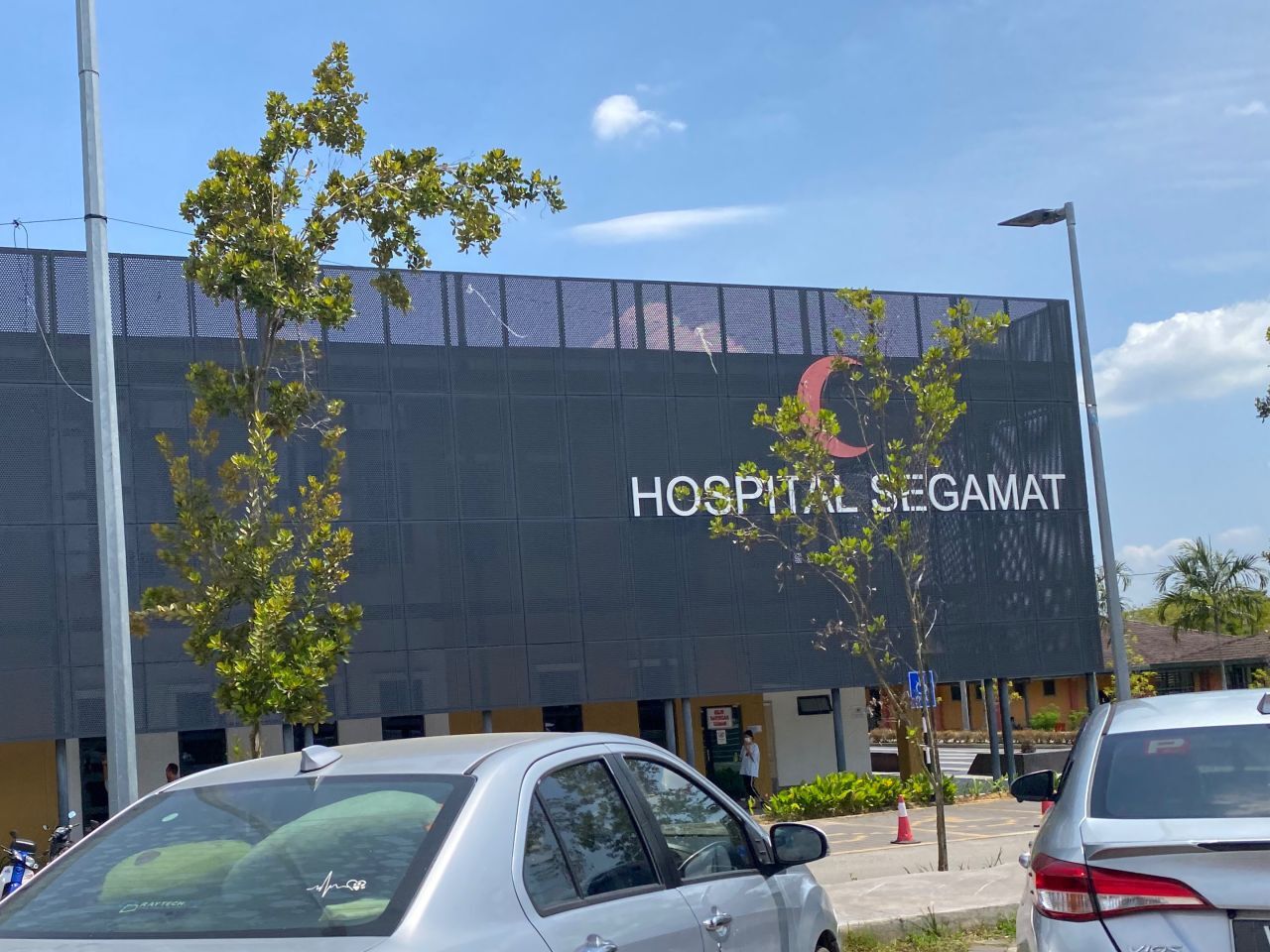
Ministry of Communications policy officer Dr Sean Thum and former National Health Literacy Policy (NHLP) researcher Jeremy Ang, who is also Kepong PKR deputy division chief, said the disruption of obstetrics and gynaecology (O&G) services at Segamat Hospital, besides the disproportionate doctor-to-patient burden in the medical outpatient department, reflected the continued loss of skilled medical professionals from the public sector.
“While the Ministry of Health (MOH) bears primary responsibility for workforce planning and health care delivery, the Johor state government also has an important role in shaping an environment that attracts and retains health care professionals,” Dr Thum and Ang said in a joint statement today.
“The loss of doctors and specialists from the public sector is not merely a workforce issue. It is a public health issue with direct consequences for health care access, patient outcomes, and service quality.
“We urge Johor’s political leaders and future state policymakers to make workforce retention a clear priority, in close alignment with the Ministry of Health, through practical support such as better workplace systems, housing and child care access, professional development, and adequate facility resourcing.
“Johoreans must not bear the cost of systemic shortages, which lead to longer waits, delayed diagnoses, interrupted treatment, and reduced access to essential care, especially in rural communities.”
Contrary to the assertion by Dr Thum and Ang about the Johor state government’s “important role”, health care is under the federal government, even though some public health matters fall under the concurrent list of the Federal Constitution.
Although Johor or any other state government, or an elected representative, may want to purchase equipment or facilities for government hospitals, this still requires approval from the MOH. Approvals for such donations must be sought from either the state health director or the ministry secretary-general, depending on the value of the donated equipment, to avoid allegations of corruption.
Donations of medical equipment by a state government or politician also require MOH approval because the ministry will need to request for budget allocations to maintain the additional donated equipment.
Remuneration of health care professionals in public service is also entirely under federal jurisdiction – namely the MOH, Public Service Department (JPA), and the Ministry of Finance (MOF) – although state governments have the freedom to give bonuses.
A Human Resource Division (BSM) official from the MOH told the Health parliament special select committee in February 2025 that the unpopular Waktu Bekerja Berlainan (WBB) pilot project was mooted by the ministry because raising the on-call allowance for all doctors would cost too much money.
Caretaker Johor Menteri Besar Onn Hafiz Ghazi recently announced an RM500,000 allocation to nurses and RM100,000 for medical assistants in the state as “tokens of appreciation”.
He added that his administration has spent more than RM66 million on health over the past four years, but didn’t elaborate on what the money was spent on.
The Johor state government also pays for the services of locum doctors at the emergency departments of certain government hospitals.
Workplace conditions in the health service like overwork or bullying fall entirely under MOH’s jurisdiction. JPA is responsible for approving the creation of positions for doctors, nurses, and other health care workers, while the MOH is responsible for filling these positions.
Health workforce planning, particularly for doctors, is fragmented across multiple federal agencies, namely the Ministry of Higher Education (MOHE), JPA, and MOH. National Specialist Register (NSR) approval falls under the Malaysian Medical Council (MMC), another federal body.
State governments do not play any role in the production of housemen, medical officers, or specialists.
Decentralisation of health care to state governments (with perhaps the exception of Sabah and Sarawak for a degree of autonomy) requires amendments to the Federal Constitution – a matter for federal lawmakers in Parliament, not a state legislature.
Dr Thum and Ang urged the MOH and related stakeholders to accelerate pathways for specialist training, publish transparent workforce data, and establish stronger accountability mechanisms to ensure workforce planning reflects actual patient demand and service requirements.
“The service disruption at Segamat Hospital should be treated as a warning sign. It is not an isolated incident, but part of a wider workforce challenge affecting Malaysia’s public health care system.
“Without urgent and coordinated action, similar disruptions may become more frequent, further undermining access to care and placing greater pressure on patients and families.”
Onn Hafiz dissolved the Johor state legislative assembly on June 1, paving the way for a state election that Barisan Nasional (BN) plans to contest as a solo coalition instead of partnering with PH under Madani.
Health Minister Dzulkefly Ahmad and Prime Minister Anwar Ibrahim, who is also the finance minister, are from Amanah and PKR respectively under the PH coalition. Higher Education Minister Zambry Abdul Kadir is from Umno.


