

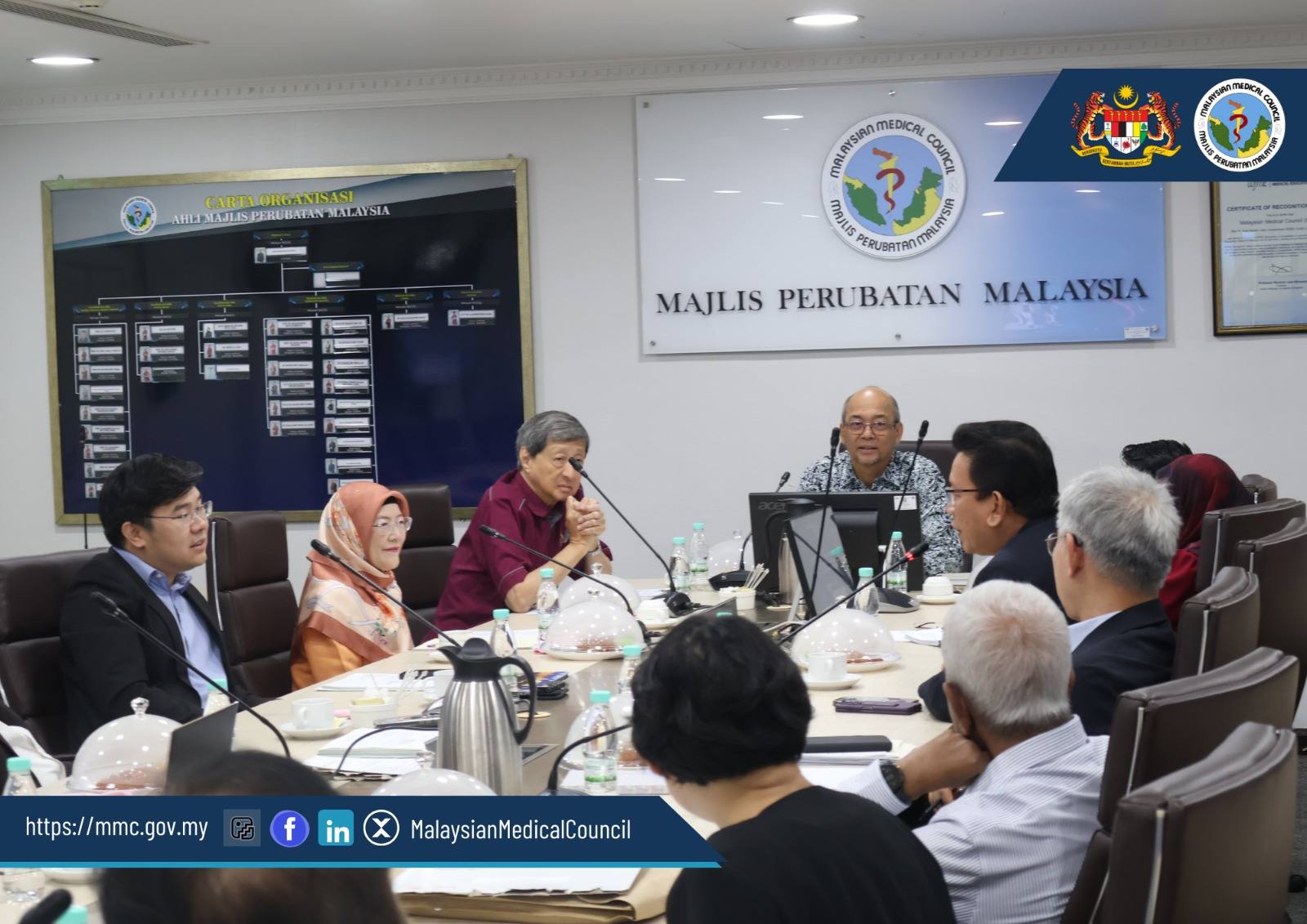
For many doctors in Malaysia, the journey to becoming a recognised specialist does not end after completing a Master’s programme or fellowship. The final step is registration with the National Specialist Register (NSR) under the Malaysian Medical Council (MMC).
Recent reforms introduced Supervised Work Experience as part of the pathway towards specialist recognition. These changes were intended to improve oversight and standardise specialist practice.
However, an important concern remains. The process of obtaining NSR approval continues to lack clarity and predictability.
Lack Of A Clear Timeline
At present, there is no clearly communicated timeframe for NSR approval after an application has been submitted. Doctors who have completed their Supervised Work Experience and submitted the required documents often have to wait indefinitely, without knowing how long the process will take.
Applicants understand that their submissions will undergo review by specialty committees before final approval by the MMC. Beyond this general explanation however, there is little clarity regarding the expected duration of the process.
For doctors who have already spent more than a decade in training, this uncertainty is difficult to justify. Some applicants receive approval within weeks, while others wait several months without any clear updates.
Practical Consequences
The uncertainty surrounding NSR approval has practical implications. Newly trained specialists may experience delays in formal recognition of their specialist status, which can affect credentialing processes, appointments to specialist roles, and administrative planning within health care institutions.
Hospitals and health care systems also rely on predictable timelines when planning specialist services. When the approval process is unclear, it creates unnecessary uncertainty for both institutions and doctors.
At a time when Malaysia continues to face shortages of specialists in many disciplines, the administrative process should facilitate rather than delay the transition of doctors into specialist roles.
The Need For Greater Transparency
Doctors understand that verification and commiIee review are necessary to maintain professional standards. The concern is not about the existence of the review process, but about the absence of transparency.
Many professional regulatory bodies internationally publish clear service standards for administrative processes, including specialist registration.
Applicants know what documents are required, what stages their application will pass through, and how long the process normally takes.
Such transparency strengthens confidence in regulatory institutions and reduces unnecessary uncertainty.
A Reasonable Improvement
A practical step forward would be the introduction of a clear service standard for NSR applications. For example, the MMC could introduce a fixed turnaround time of three months from the date a complete application is submitted.
This would not compromise the integrity of the review process. Instead, it would provide clarity for applicants and encourage greater administrative accountability.
Closing The Final Step
Malaysia has invested significant resources in training specialists through local postgraduate programmes and international pathways. Supervised Work Experience was introduced to strengthen oversight and ensure consistent standards of specialist practice.
These efforts should be matched by an administrative process that is transparent and predictable. Doctors who have completed years of rigorous training deserve clarity regarding the final step of specialist recognition.
A transparent system with a defined three-month turnaround time for NSR approval would be a reasonable and constructive improvement.
The path to becoming a specialist in Malaysia is already long and demanding. The final administrative step should not remain uncertain.
The author is a pre-gazettement specialist serving in the Ministry of Health. CodeBlue is providing the author anonymity because civil servants are prohibited from writing to the press.
- This is the personal opinion of the writer or publication and does not necessarily represent the views of CodeBlue.


