

There is a saying: a stitch in time saves nine. But when it comes to Malaysia’s non-communicable disease (NCD) epidemic, we have left the wound to fester for so long that stitches are no longer enough. We now require major intervention.
The NCD epidemic is not merely a personal health crisis. It is a slow-motion economic catastrophe – a fiscal time bomb – that threatens to bankrupt our public reserves and overwhelm our health care providers.
The Policy Contradiction: Subsidising The Disease We Claim To Fight
The most glaring absurdity in Malaysia’s current approach is our sugar policy. Every year, the government spends approximately RM500 million on sugar subsidies and incentives to manufacturers, keeping refined sugar prices at around RM1.00 per kg, among the lowest globally.
For comparison, the annual cost of a simple on-call allowance increase for doctors is merely RM80 million. The sum of sugar subsidies could fund that increase six times over and still leave hundreds of millions for other pressing needs.
The RM500 million sugar subsidy directly negates the RM300 million collected from the sugar-sweetened beverages (SSB) tax, undermining the Ministry of Health’s (MOH) strategies against diabetes and other NCDs. We are effectively using one hand to collect a tax intended to discourage sugar consumption, while the other hand pushes subsidies that keep sugar cheap and plentiful.
You cannot serve two masters. The government cannot claim to fight diabetes while propping up the price of the very ingredient that drives the epidemic.
The Ineffectiveness Of Current Measures
The SSB tax itself – currently set at RM0.90 per litre after successive increases – has proven largely ineffective. The Institute of Strategic and International Studies (ISIS) has found that a 10 per cent increase in the SSB tax reduces sugary drink purchases by less than 2 per cent.
The volumetric tax system is too blunt an instrument; consumers simply switch to cheaper alternatives or untaxed beverages like teh tarik, which remain unaffected.
Meanwhile, the MOH has allocated over RM137 million to strengthen NCD prevention, including RM80 million for the PeKa B40 free health screening programme and RM1.7 million for the War on Sugar campaign.
While laudable, these sums are a drop in the ocean compared to the RM64.2 billion annual NCD burden. A drop in the bucket, as the proverb goes, cannot fill a well.
The Remedy
An ounce of prevention is worth a pound of cure. It is time to move beyond rhetoric and implement concrete, evidence-based reforms:
- Eliminate the sugar subsidy entirely.
- Reform the SSB tax into an absolute sugar-based tax.
- Establish a mandatory sugar-labelling scheme.
- Expand the PeKa B40 programme to cover the M40 and incorporate follow-up care.
- Operationalise the Health White Paper’s shift from sick care to wellness care.
Beyond Sugar: A Comprehensive NCD Strategy
One swallow does not make a summer. Having addressed the sugar subsidy and the sugar-sweetened beverage tax, Malaysia must now confront the uncomfortable truth: the NCD epidemic is driven by multiple vectors — salt, trans-fats, tobacco, physical inactivity, and fragmented governance. A single-front campaign will never suffice. Sugar is only one part of the story.
There has been a call for public health care spending to be raised from 2.4 to 5 per cent of GDP as a long-term investment in the nation’s health system. This increase would fund the workforce expansion, primary care transformation, and digital infrastructure required to manage the NCD epidemic at scale.
There should be a stronger NCD prevention through screenings at private clinics, outsourcing to reduce the burden on public facilities, and urgent preparation for elderly care.
Mandate Salt Reduction As A Matter Of Law
A local study found that 79 per cent of Malaysians consume an average of 7.9 grams of salt per day – far exceeding the World Health Organizaiton’s (WHO) recommended ceiling of 5 grams. Excess sodium is a primary driver of hypertension and cardiovascular disease.
The United Kingdom’s salt reduction programme achieved a 15 per cent reduction in population salt intake by imposing mandatory sodium limits in processed foods.
South Africa cut sodium intake by 1.15 grams per day within two years of a similar mandate. It is time for Malaysia to follow suit.
Enforce The Trans-Fat Limit With Vigilance
From September 1, 2025, Malaysia officially enforced the Food (Amendment) Regulations 2025, prohibiting the sale or advertisement of any food containing more than 2 grams of industrial trans fatty acids per 100 grams of total fat.
However, a law on paper is not a law on the shelf. Rigorous testing, import checks and penalties for non-compliance must be resourced and enforced.
Trans fats have no health benefits and are strongly linked to cardiovascular disease. Their elimination is a low-hanging fruit in the fight against NCDs.
Expand The Health Protection Tax To Tobacco And Vape Products
In the 13th Malaysia Plan, the government will expand the health protection tax to products such as tobacco, vapes and alcohol. This is a welcome shift from the confusion of state-level vape bans.
As the Malaysian Council for Tobacco Control has warned, passing the law is only the first step. Implementation must be relentless.
Impose A Mandatory Ban On Junk Food Advertising Targeting Children
A multiple-year evaluation found that unhealthy food advertising continues to dominate children’s popular television channels, particularly during peak viewing times, despite the existence of voluntary codes.
Global evidence shows that only government-led mandatory restrictions can effectively reduce children’s exposure to the marketing of foods high in salt, sugar, and unhealthy fats.
The Malaysian Association for the Study of Obesity has likewise called for strict regulation of junk-food advertising, especially where it targets children.
Roll Out Nutri-Grade Labelling And The Wellness Hub Network
The health minister has announced a mandatory Nutri-Grade labelling system that will ban advertising of beverages containing more than 10 grams of sugar per 100 ml.
This is a powerful signal, but labelling alone does not change habits.
Conclusion: A Call To Action
A disease known is half cured. We know the disease, the numbers, and tthe solutions. The only missing ingredient is the will to implement.
The RM64.2 billion annual NCD burden is not an act of God. It is the predictable result of policy choices: subsidising sugar, underfunding primary care, prioritising treatment over prevention, and failing to protect our population from the environmental drivers of chronic disease.
With each day that we delay these measures, more Malaysians develop diabetes, more kidneys fail, more hearts give out.
Every ringgit we continue to pour into sugar subsidies is a ringgit stolen from dialysis chairs, from cancer treatment, from the nurses and doctors who hold the system together.
Malaysia has a choice: continue subsidising the disease and paying the price in human suffering and economic ruin, or summon the courage to act.
Eliminate the sugar subsidy, reform the tax, invest in prevention, empower patients, and build a system that values health over habit, and wellness over waiting.
The longest journey begins with a single step. It is time to take that step. The people of Malaysia cannot afford another decade of delay.
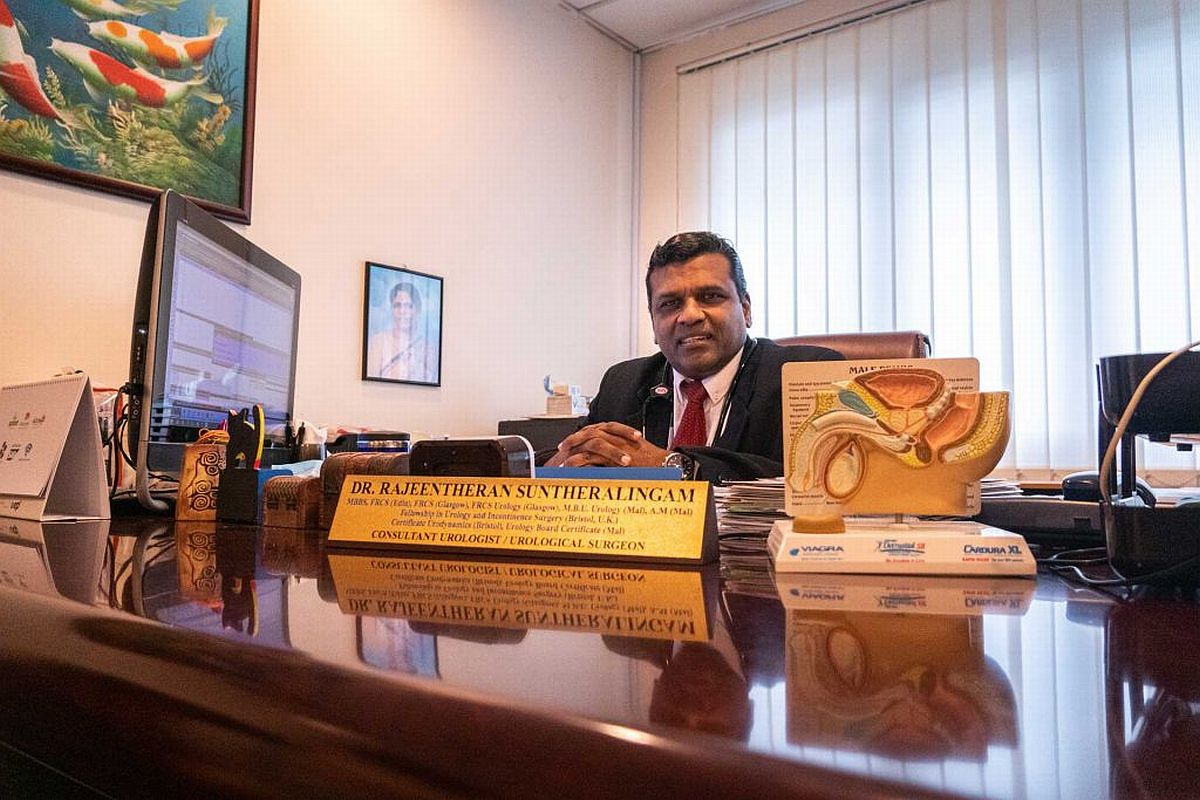
The author is a senior consultant urologist and urological surgeon at Damansara Specialist Hospital.
- This is the personal opinion of the writer or publication and does not necessarily represent the views of CodeBlue.


