

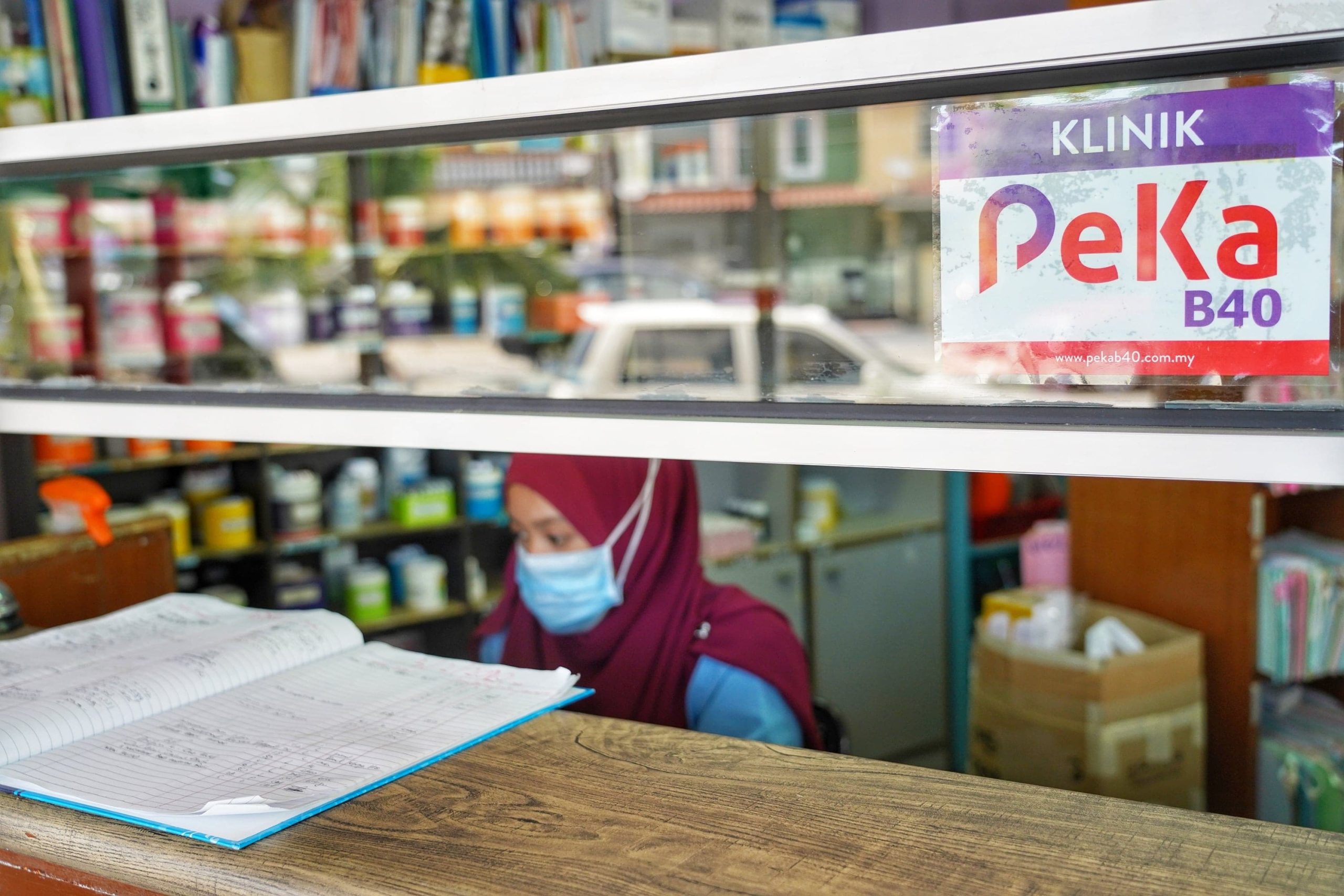
CYBERJAYA, May 26 — ProtectHealth Corporation Sdn Bhd has raised private general practitioner (GP) fees under Peka B40 and increased the additional payment for follow-up visits involving abnormal readings.
The changes were made in a revamp of the health screening scheme for low-income Malaysians to improve take-up and support earlier detection of non-communicable diseases (NCDs).
Under the revised benefit package, GP fees for the first Peka B40 screening visit have increased from RM40 to RM50, while the additional payment for a second visit involving abnormal readings has doubled from RM20 to RM40.
ProtectHealth chief executive officer Wan Mohd Hazwan Wan Mohd Najib said the Peka B40 benefit package had not been revised since the scheme began, and that the changes were intended to better support GPs and make the programme easier to implement.
“The benefit package hasn’t been revised since the beginning, and we always try to be more supportive to the GPs,” Wan Mohd Hazwan told a media briefing here on May 15.
“So we revised the benefit package recently and we also try to make their job a bit easier by optimising the key questions that they ask the beneficiaries.”
More than 4,000 GPs currently participate in Peka B40. ProtectHealth has also enhanced the screening process to include liver function tests and make screening faster and more seamless for GPs.
Peka B40, or Skim Peduli Kesihatan for the B40 group, provides free health screening for eligible Sumbangan Tunai Rahmah recipients and their spouses aged 40 and above, with a focus on non-communicable diseases (NCDs).
The scheme also provides health aid of up to RM20,000, a cancer treatment completion incentive, and transport incentives for eligible patients. The changes come as ProtectHealth seeks to close a persistent screening gap under Peka B40.
According to ProtectHealth data, 7.1 million people are eligible for the scheme nationwide, but only more than 1.9 million Malaysians, or 27 per cent, have undergone health screening since the Peka B40 programme was launched in 2019.
Among those screened last year, 46 per cent were found to have a new NCD.
Wan Mohd Hazwan said ProtectHealth is rethinking how Peka B40 is marketed, including by targeting younger low-income adults aged 40 to 50 who may already be at risk of diabetes or other NCDs. The scheme is expected to be rebranded as Peka Sihat.
He said the previous approach of promoting “free screening” may not be enough to persuade B40 recipients to come forward, particularly among people who do not yet feel sick or who may be reluctant to find out if they have an underlying condition.
“We always say ‘free screening’ and all. I said, people from the B40 group, do they want free screening? Maybe not. So that may not be the biggest unique selling point,” Wan Mohd Hazwan said.
“So we are working now to revamp the marketing approach as well. We probably want to also focus more on the younger target group, like 40 to 50 years old, who may experience pre-diabetes or high risk of diabetes.”
Wan Mohd Hazwan said ProtectHealth is trying to reshape the message around screening by appealing to family responsibilities and long-term health, rather than simply offering a free service.
He gave the example of a younger adult with a small child who may not think much about their own health now, but may worry about whether they will still be able to support their family when they are older.
“They may not think so much about their health, but then they may think, okay, how do I support my family when I’m older, 50 or 60 years old? Right now I have a small child, what will I be like when I’m older?” Wan Mohd Hazwan said.
“So those are the kind of narratives that we are trying to push, to change the approach, the narrative of the marketing itself.”
Wan Mohd Hazwan said ProtectHealth is also integrating Peka B40 with MySejahtera to send direct notifications and allow appointment booking for eligible recipients.
“We are doing some formal integration to MySejahtera so we can do direct notification, appointment booking and so on to the recipients,” he said.
He said ProtectHealth hopes to reach a “fair bit” of the remaining eligible population this year, but acknowledged that closing the gap may take two to three years.
Wan Mohd Hazwan said ProtectHealth may also need to move towards more targeted screening, rather than relying only on a broad invitation to eligible recipients.
He noted that even if screening is free, many people may still avoid it until they feel they have to undergo testing.
“When it comes to drawing blood and all that, if you give it for free, half the people would not want to do it until they have to do it,” he said. “So then you have the half gap there. We need to find a more innovative way to do health screening as well in the future.”
Beyond screening, ProtectHealth is also planning to expand Peka B40 towards disease management, so that patients found to have NCDs are not only referred onward but are also supported to manage their conditions.
Wan Mohd Hazwan said patients who are found to have certain conditions are currently referred to public health clinics, but ProtectHealth is looking at easier ways for them to manage their conditions, potentially through GPs.
“We are not just screening. We are going to expand the programme to include some form of management, outcome-based management, that we’re going to probably work with the GPs on,” he said. “We are designing the programme now. We’ll likely launch it later this year.”


