

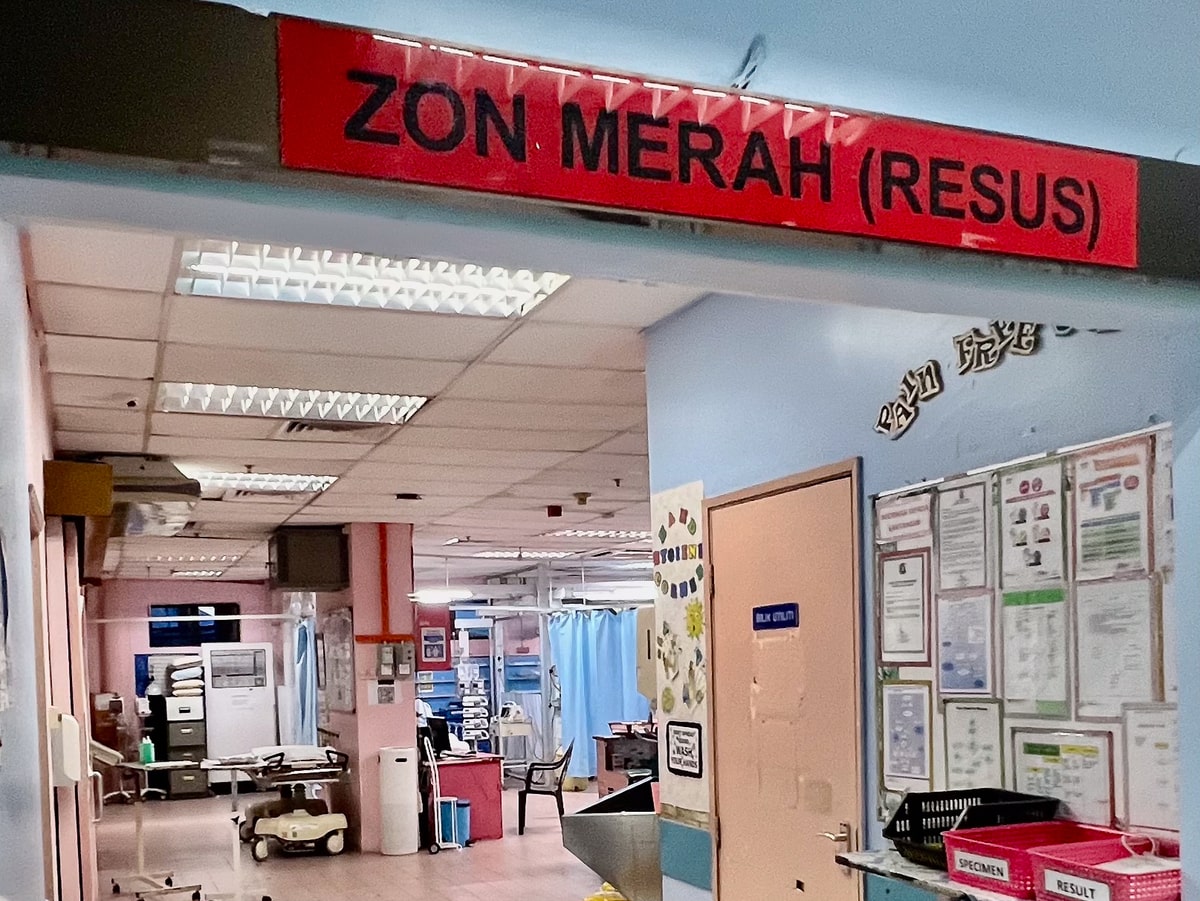
Just as Malaysia struggles to recover from pandemic aftershocks and an escalating non-communicable disease (NCD) burden, the Ministry of Finance (MOF) has reportedly proposed an RM3.06 billion cut to the Ministry of Health’s (MOH) 2026 budget.
Malaysia’s public health care system has long been a point of national pride – affordable, accessible, and staffed by overburdened but heroic professionals. Yet pride does not fill medication stockouts. It does not repair leaking roofs in district hospitals or replace worn-out dialysis machines.
The proposed cut of RM3 billion would eviscerate the fragile gains made since the Covid-19 pandemic and thrust the system into an acute crisis. It will remove critical lifelines. Expect longer waiting times for surgeries and specialist care, reduced access to essential medications and diagnostics, and further deterioration of already strained facilities.
In practical terms, this translates into delayed diagnoses, disease progression, and avoidable deaths.
This is not hyperbole; it is the predictable outcome of years of underinvestment now accelerating into outright retrenchment.
Workforce Crisis Will Deepen
Malaysia is already facing a serious health workforce challenge. Doctors and nurses are leaving for better pay and conditions abroad. Specialists are increasingly migrating to the private sector or overseas. A budget cut of this magnitude sends a dangerous signal: that health care is expendable.
It will undermine retention efforts, freeze or reduce hiring, and limit training and upskilling opportunities. You cannot build a resilient health care system while simultaneously eroding the morale and security of its workforce. The Treasury’s proposal would actively push more of our best health care talent out of the public system—and often out of the country entirely.
Primary Care and Prevention Will Suffer First
When budgets shrink, preventive care is often the first casualty. Yet this is precisely where the greatest value lies. Malaysia faces a growing burden of NCDs—diabetes, hypertension, cancer—alongside persistent infectious threats.
Cutting funding will reduce screening programmes, curtail vaccination outreach, and weaken community health initiatives.
The irony is stark: saving money today by cutting prevention guarantees higher costs tomorrow through more complex and expensive treatments. Every ringgit not spent on a public health nurse or a community diabetes screening will become five ringgit spent on a dialysis bed or an ICU admission.
A Blow to Health Security
The Covid-19 pandemic exposed vulnerabilities but also demonstrated the critical importance of a well-funded public health care system. Future threats—pandemics, climate-linked diseases, antimicrobial resistance—are not hypothetical. They are inevitable.
Reducing health funding now is akin to dismantling fire stations during a drought because there are no fires today. When the next health emergency arrives—and it will—a weakened MOH will leave Malaysia scrambling once again for ventilators, beds, and exhausted staff.
Economic Consequences: Penny-Wise, Pound-Foolish
Health care is not merely a cost centre; it is an economic engine. A healthier population is more productive. Early treatment reduces long-term expenditure. Strong public health care prevents catastrophic out-of-pocket spending that can push families into poverty.
Cutting RM3 billion may improve short-term fiscal optics, but it will increase long-term health care costs, reduce workforce productivity, and widen health inequities. This is not fiscal prudence. It is deferred liability.
Malaysia already loses an estimated 10 per cent of its gross domestic product (GDP) annually to NCD-related productivity losses and health care spending. Weakening the public system will only accelerate that hidden tax on the nation’s economy.
Equity At Risk
Malaysia’s public health care system is the great equaliser. It ensures that a child in a rural village has access to care comparable to one in an urban centre. Budget cuts disproportionately harm the most vulnerable: low-income families, rural populations, and the elderly and chronically ill.
Private health care cannot fill this gap—it was never designed to. A two-tier system where only the wealthy can afford timely, quality care is not a health care system. It is a social fracture.
A Strategic Misstep
If Malaysia is serious about becoming a high-income, developed nation, investment in health care is non-negotiable. Regional peers are increasing health spending, recognising its role in national competitiveness and social stability. A reduction now risks placing Malaysia at a structural disadvantage.
We will not attract investment, retain talent, or build a productive workforce on the back of collapsing hospital wards and medication stockouts.
The Way Forward
Rather than blunt cuts, Malaysia needs targeted efficiency reforms without compromising service delivery, health financing reform including sustainable revenue streams, workforce investment especially in retention and training, and strengthening primary care, not weakening it.
The Treasury’s proposal should be rejected by Cabinet. If it proceeds, they should be prepared to explain to the parent waiting for a child’s cancer diagnosis, the elderly diabetic skipping medication, and the nurse thinking of leaving for Singapore why a RM3 billion saving is worth more than their lives, their dignity, or their future.
A Malaysia that cannot afford to keep its people healthy has already miscalculated its true bottom line.
Dr Musa Musa Mohd Nordin, paediatrician, Damansara Specialist Hospital (DSH)
Prof Emeritus Dr Azizi Omar, paediatrician, DSH
Prof Dr Zulkifli Ismail, paediatrician, Selangor Specialist Hospital
- This is the personal opinion of the writer or publication and does not necessarily represent the views of CodeBlue.


