

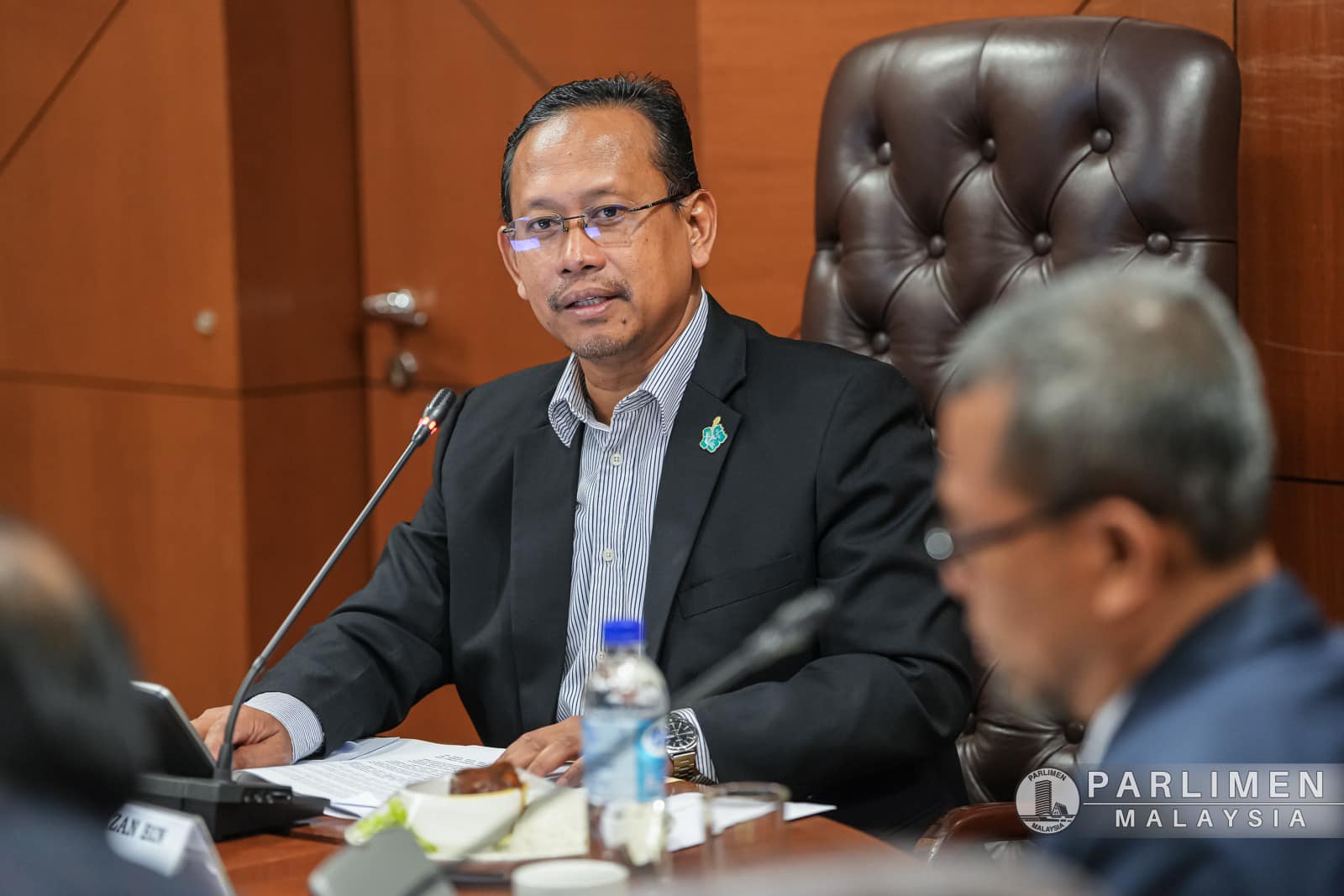
KUALA LUMPUR, Oct 20 — About 190 specialist doctors in the private sector nationwide have lost their cashless facilities from insurance companies providing medical insurance, Pulai MP Suhaizan Kayat revealed.
The Pakatan Harapan (PH) lawmaker from Johor, who chairs the Health Parliamentary Special Select Committee (PSSC), questioned Bank Negara Malaysia’s (BNM) action over insurance companies restricting cashless facilities or withdrawing specialists from their panels.
“Based on the notes presented, around 190 specialist doctors nationwide have lost their cashless facilities. Pulai wishes to know what action Bank Negara Malaysia has taken on this issue,” Suhaizan said during the debate on Budget 2027 in Dewan Rakyat today.
He warned that patients who pay monthly premiums for medical coverage could end up bearing the consequences of disputes between insurance companies, hospitals, and doctors.
“Patients whose preferred specialist doctors are subjected to restrictions may be forced to change doctors, move to another hospital, or pay tens of thousands of ringgit upfront to receive treatment,” he said.
Delays in accessing an appropriate specialist during an emergency could also have serious consequences for patient safety, Suhaizan added.
The Pulai MP also questioned insurance companies’ practices of retrospective audits and clawbacks, which involve re-auditing completed cases and demanding reimbursement for payments already made.
He asked whether doctors should be penalised for shortcomings in medical documentation, procedure coding, or hospital administrative processes without being given written reasons, evidence, and an opportunity to respond.
Suhaizan urged BNM to establish a transparent framework governing panel-related actions, including written reasons and evidence for decisions, doctors’ right to respond, opportunities to rectify shortcomings, and clear appeal periods.
He also called on the Ministry of Health (MOH) to review and update procedure coding and medical fee structures to reflect technological advances and current clinical practices.
The government must ensure continuity of patient care while disputes between insurance companies, hospitals, and doctors are being resolved, he said.
“Patients must not become victims of disputes that are not of their making,” Suhaizan said.
He further asked BNM to disclose the number of complaints received involving cashless restrictions, panel withdrawals, and clawback claims, how many had been resolved, and what immediate protections were available to affected patients.
“Health insurance was established to protect patients, not to become an obstacle to treatment,” he said. “Doctors must be accountable, insurance companies must comply with regulations, and the government must ensure fairness for all parties.”
CodeBlue previously reported that AIA Malaysia had excluded some IHH Healthcare Malaysia consultants from its panel while retaining IHH hospitals, with IHH saying the insurer had cited purely commercial reasons without providing clinical, ethical, or professional justification.
Kuala Kangsar MP Questions Insurers’ One-Year Waiting Period For New Specialists
Kuala Kangsar MP Iskandar Dzulkarnain Abdul Khalid also criticised insurance companies for imposing what he described as unreasonable restrictions on specialist doctors.
The Perikatan Nasional (PN) lawmaker said some insurers required newly appointed specialists at private hospitals to have at least one year of experience working at the hospital before being allowed to treat patients covered by individual medical insurance.
“Imagine, there are insurance companies imposing new conditions that if a new specialist doctor starts working in a private hospital ward, the doctor cannot immediately attend to patients using individual medical insurance. They have to wait until they have one year of experience at that hospital before the insurance company grants approval,” he said during the Budget 2027 debate in Dewan Rakyat today.
Iskandar Dzulkarnain questioned why insurers should have the authority to determine which doctors could treat patients when their specialist qualifications had already been recognised by the government.
“This is completely unreasonable. Specialist doctors whose qualifications have long been recognised by the government – why should insurance companies take it upon themselves to become the ones deciding which doctors can treat patients?” he said.
He said doctors were increasingly being forced to follow insurance companies’ demands instead of focusing on patient care.
Iskandar Dzulkarnain warned that patients paying hundreds of ringgit in monthly insurance premiums could still be denied coverage when they fall ill simply because their treating specialist was newly appointed at a private hospital.
“Ultimately, these patients have to go to government hospitals, which are already congested and financially burdened,” he said.
He urged the government to intervene immediately and stop insurers from imposing the requirement.
“Do not allow the lives of patients and the professionalism of our doctors to continue being toyed with by insurance companies,” Iskandar Dzulkarnain said.

