

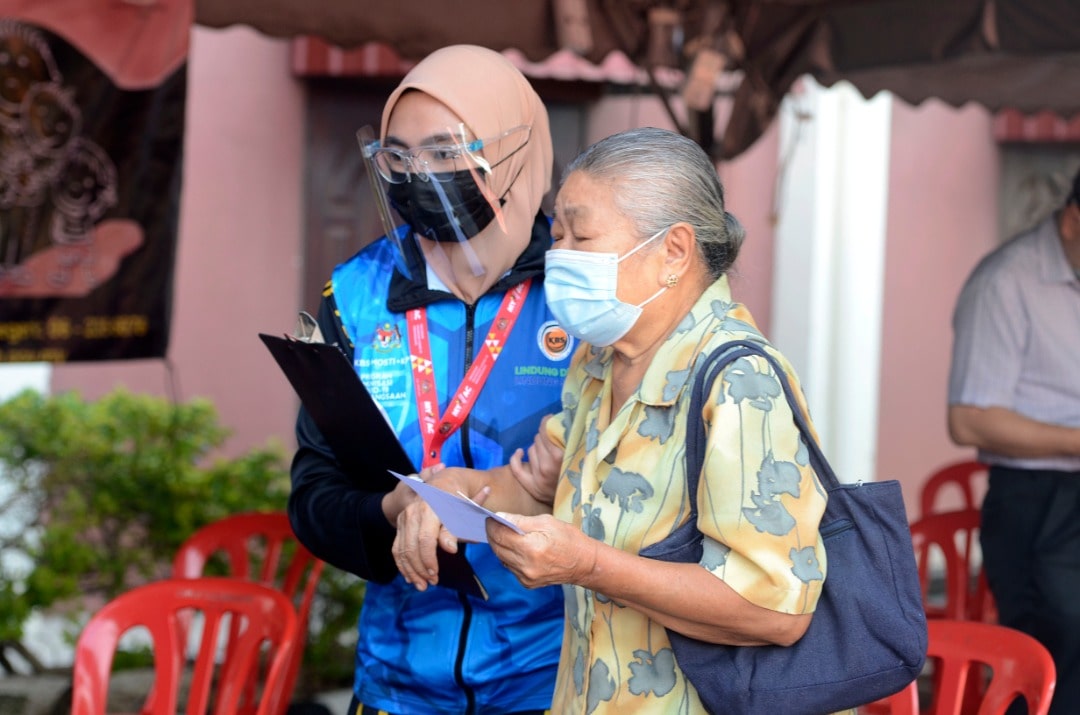
We welcome the release of the National Health and Morbidity Survey (NHMS) 2025 by the Ministry of Health (MOH).
The findings provided a comprehensive snapshot of the health of older Malaysians and highlighted both encouraging progress and urgent priorities as Malaysia approaches aged nation status by the next decade.
We are encouraged that 14.7 per cent of older Malaysian are ageing healthily, while 18 per cent of older persons living alone report good social support. These findings demonstrate that many older Malaysians remain resilient, independent and socially connected.
Improvements in mental well-being and functional independence was also reported. The prevalence of depression among older Malaysians has declined to 8 per cent, compared with 11.1 per cent in NHMS 2018.
Fewer older adults report impairment in living independently. Impairment in basic activities of daily living has improved to 10 per cent, compared with 17 per cent in 2018, while dependency for instrumental activities of daily living has fallen to 27 per cent, compared with 33 per cent in 2018.
These are meaningful gains which showed that investments in health care access, rehabilitation, family support and community programmes to date have made a difference in helping older Malaysians maintain their independence.
Yet, much work is still required and crucially, what this survey has also unearthed is that one in three caregivers of the older person experience some element of burden.
At the same time, the NHMS 2025 findings reveal a substantial burden of chronic disease and geriatric syndromes. 10 per cent are living with dementia, 39 per cent are living with diabetes, 73 per cent have hypertension, and 76.2 per cent have high cholesterol.
Many of which were reported to be poorly uncontrolled. These conditions are major drivers of stroke, heart disease, kidney disease, disability and dementia.
Unless better managed, they will continue to increase health and social care costs with huge impact on reduced quality of life in later years.
For the first time, sarcopenia, a condition of weak muscles, was measured, with an alarming 45 per cent fulfilling criteria for this condition.
This exceeds many international studies which only report prevalence rates between 10 and 27 per cent. Such a high number suggests a major and urgent challenge requiring coordinated national action.
In addition, 11 per cent were frail, and 60 per cent of older adults were pre-frail. The finding that the majority of older Malaysians were pre-frail should be viewed as both a warning and an opportunity. Pre-frailty is often reversible with timely intervention.
This means there remains a critical window to prevent progression to frailty, falls, hospitalisation, disability and institutional care through exercise, nutrition, medication optimisation and better chronic disease management.
These findings strongly reinforce the importance of accelerating implementation of Malaysia’s Pelan Tindakan Perkhidmatan Kesihatan Warga Emas 2023–2030, which emphasises healthy ageing, integrated elderly health care, screening, rehabilitation and optimisation of intrinsic capacity across the life course.
They are also aligned with the broader Pelan Tindakan Warga Emas Negara 2026–2030, which calls for a whole-of-government and whole-of-society response to population ageing, dignity, participation and well-being in later life.
Therefore, the Malaysian Society of Geriatric Medicine and the Gerontological Association of Malaysia call for a coordinated, system-wide response:
- Strengthening primary care services to routinely assess intrinsic capacity, including mobility, cognition, nutrition, mood, vision and hearing.
- Introduce early detection of geriatric conditions, such as frailty and sarcopenia.
- Improve collaboration between health care providers, such as better integration between hospitals, primary care, rehabilitation, mental health and social support services.
- Collaborative community programmes with multi-agency stakeholders addressing important issues affecting older people such as ageing well programmes, frailty prevention, sarcopenia, and falls prevention.
- Stronger focus on preventative medicine, including lifestyle interventions, early risk identification through proactive screening, and access to vaccination including influenza, pneumococcal, Covid-19, and other recommended vaccines.
- Enhancing financial security in later life, recognising its impact on health, access to care and independence.
- Strengthening long-term care systems, including community-based services and caregiver support.
The NHMS 2025 findings offer both optimism and urgency. While Malaysia has made meaningful progress in healthy ageing, without decisive action, the growing burden of chronic disease and geriatric-related syndromes will undermine these gains.
Healthy ageing is not simply about living longer. It is about maintaining function, dignity, independence and purpose throughout later life.
Both societies, the Malaysian Society of Geriatric Medicine and the Gerontological Association of Malaysia stand ready to work with the MOH and relevant partners to ensure that every Malaysian has the opportunity to age well.
This statement was issued jointly by the Malaysian Society of Geriatric Medicine and the Gerontological Association of Malaysia
- This is the personal opinion of the writer or publication and does not necessarily represent the views of CodeBlue.

