

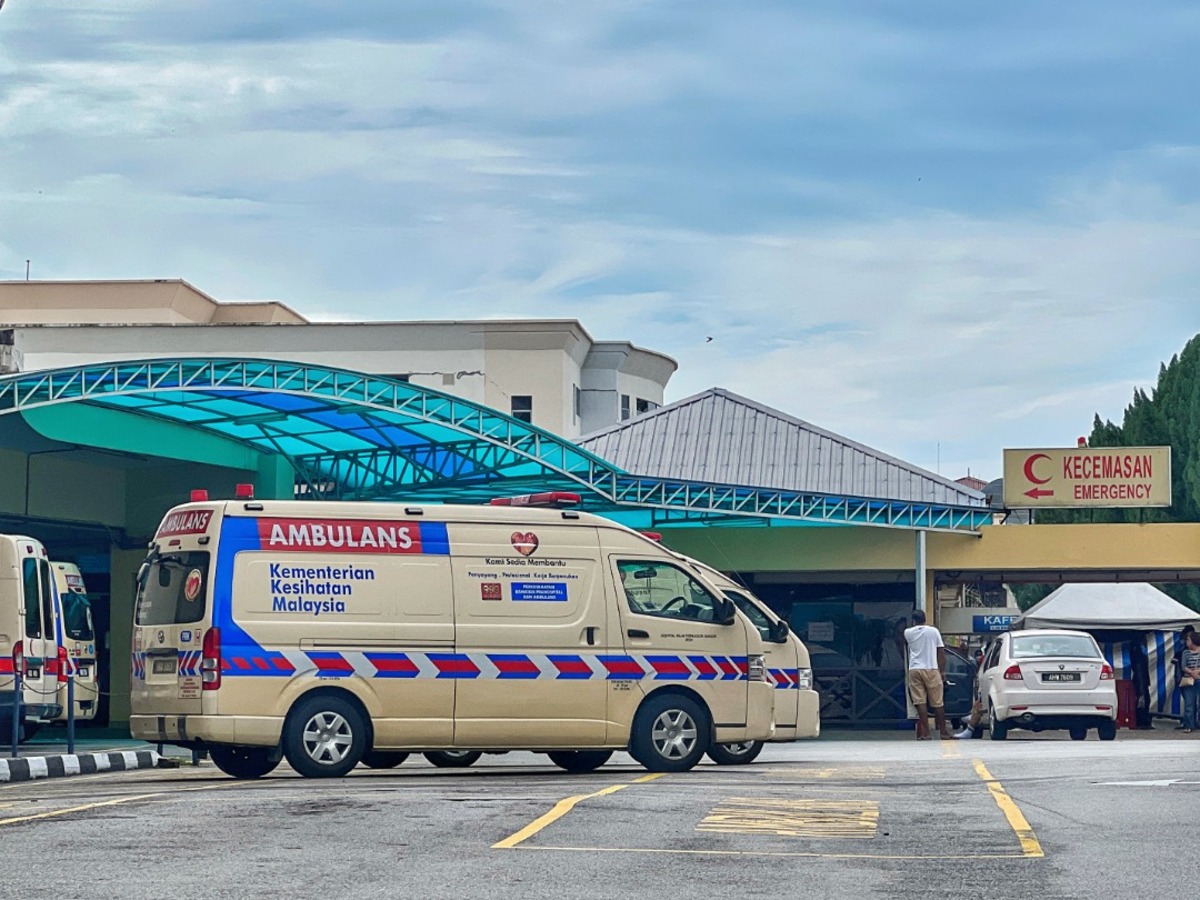
One Saturday afternoon in 2008, after extracurricular activities at school, I took a bus home. Suddenly, a man on the bus had a seizure. He thrashed about briefly before falling unconscious.
Thankfully, the other passengers and I quickly sprang into action. We moved him safely to a nearby bus stop, and I made the call to an ambulance.
The process was straightforward. I spoke with the operator, who confirmed the nature of the emergency and my location, then connected me to the nearest hospital. After a few more questions, the operator informed me that an ambulance would arrive shortly.
Sure enough, within 30 minutes from the time the call was made, an ambulance was there and the man received the medical attention he needed.
In Malaysia, dialing 999 for an ambulance has long been the standard response to emergencies. Recently, Ministry of Health (MOH) Deputy Secretary-General (Finance) Norazman Ayob suggested a shift to a more modernised, on-demand model for ambulance services, one that could change the way we access emergency help.
“Uberisation” is a term describing a shift toward on-demand, technology-driven service models. Just as ride-sharing apps connect drivers and passengers in real time, “Uberised” services aim to provide greater convenience and accessibility for various needs.
In Malaysia, we’ve seen this model applied in health care before, notably during the Covid-19 pandemic, when MOH collaborated with private health care providers to bring sample collection directly to patients’ homes.
Other examples of health care uberisation include telemedicine platforms that allow patients to book and attend virtual consultations as well as home-based services such as nursing and physiotherapy. These services have greatly enhanced health care accessibility, especially for elderly or mobility-challenged patients and underserved communities.
The MOH is now exploring the “Uberisation” of ambulance services. The idea is to create a shared pool of government and private ambulances accessible through an app. Through this app, patients can track an ambulance’s arrival in real-time, and the closest available vehicle (government-owned or private) would respond. Patients can also choose to be taken to either a public or private hospital.
Under the proposed model, using the app to request an ambulance to a government hospital will be free for patients. However, choosing a private hospital will incur a fee. This new system may aim to address some common issues with the 999 hotline, where callers can sometimes experience delays due to high call volumes.
There are several potential benefits to this move. A pooled system can help reduce ambulance response times, as patients will be connected to the nearest available ambulance, regardless of ownership. This can prove especially helpful in densely populated urban areas or during peak times.
The app-based approach will empower users to decide whether to go to a public or private hospital, providing a certain amount of flexibility in emergency care.
Additionally, should this system incorporate a digital triage system, which assesses the severity of an emergency before dispatching an ambulance, it will enhance efficiency, enabling paramedics to better prioritise cases.
While the concept is promising, certain challenges need careful consideration. Firstly, there may be potential for the misuse of service. Making ambulance access as easy as hailing a ride might lead to abuse, with some patients using ambulances for non-emergency cases.
Currently, trained operators triage calls, providing initial guidance and assessing the urgency of each situation. Although digital triaging is possible, it may lack the nuanced judgment of human operators, especially in complex cases where symptoms may be ambiguous.
As such, establishing a robust screening mechanism within the app would be crucial to prevent misuse and ensure that resources are reserved for genuine emergencies.
Additionally, questions arise about the management and maintenance of a shared ambulance fleet. Who will oversee the hiring, training, and retention of drivers, and who will cover maintenance costs? Clear governance is essential for the success of this system, especially if both public and private entities are involved.
The proposed Uberisation of ambulance services in Malaysia is an innovative idea with the potential to enhance emergency response. However, it also raises critical questions about service integrity, governance, and public understanding.
As with any new system, public understanding and acceptance will be key to its success. Clear communication about how the app works, potential fees, and the importance of responsible use will be essential for effective rollout and sustained usage.
Communicating these details transparently will be vital to building public trust and addressing concerns. While the concept holds promise, a thorough examination of its implementation is needed to ensure it genuinely improves health care delivery in Malaysia.
The author is a medical doctor.
- This is the personal opinion of the writer or publication and does not necessarily represent the views of CodeBlue.


