

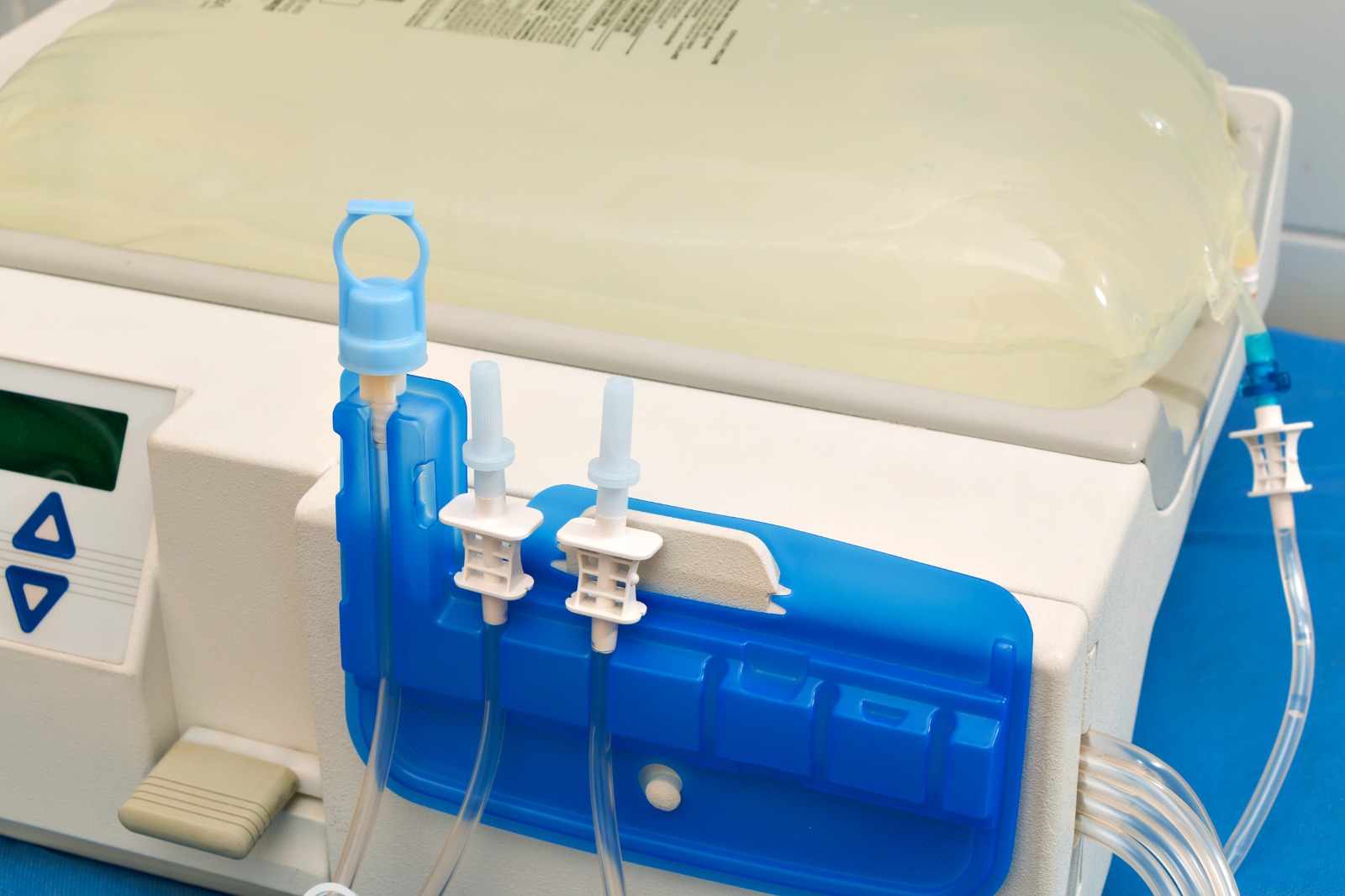
KUALA LUMPUR, April 15 — The Ministry of Health (MOH) has encouraged new dialysis patients to opt for peritoneal dialysis (PD), amid potential shortages of haemodialysis (HD) product components.
The ministry said it was informed by Duopharma Biotech Berhad and several other local manufacturers of HD products about rising prices of plastics and related products, but there aren’t supply shortages at present.
“It is not feasible to convert all HD patients to PD. We strongly encourage new dialysis patients to opt for PD under the current circumstances. We are prepared to accept all new dialysis patients into the PD programme if this occurs,” the MOH told CodeBlue in a statement.
PD, a home-based treatment, doesn’t require dialysers (artificial kidneys) that are a core component of HD therapy. Although Malaysia has a PD-first policy, PD patients comprised only about 12 per cent at 6,648 out of 55,237 total patients dialysing on December 31, 2024. Malaysia reports about 9,000 to 10,000 new dialysis patients every year.
CodeBlue reported yesterday about shortages of dialysers and canister or bottle packaging for HD concentrate solutions that are emerging at the distributor or supplier level. A supplier said it has stopped accepting new customers for concentrate orders.
MOH said many dialysis components are manufactured in Malaysia, citing local manufacturers like Duopharma, Scientillence Sdn Bhd, and Ain Medicare Sdn Bhd.
“Building buffer stock will help in the short term. Due to geopolitical instability and economic uncertainty, we need to remain vigilant and continue to develop strategies to address this. Efforts to ensure the supply of raw materials are currently being undertaken by each manufacturer.”
The ministry’s statement, however, didn’t address the supply of imported dialysers that Malaysia mostly relies on.
It added that dialysis facilities under the MOH won’t reuse dialysers beyond 12 times even if the critical medical devices meet prerequisite conditions of above 80 per cent total bundle volume (TBV) during reprocessing.
The MOH also said if shortages of dialysis products occurred, it would work with the private sector to ensure that all patients receive treatment, citing the Covid-19 pandemic as an example.
“All patients, regardless of where they undergo dialysis, will be given access to treatment. All parties, including the media, should play their respective roles and avoid causing panic among the public, patients, or the industry.”
According to Malaysian Society of Nephrology (MSN) president Prof Dr Lim Soo Kun, the MOH provides dialysis treatment for less than a third of HD patients nationwide, with the majority being served in private dialysis centres. Malaysia has more than 50,000 patients with end-stage kidney disease on haemodialysis.
“In NGO (non-governmental organisation) centres (currently supporting about 15 per cent of HD patients), patients need to apply based on the respective centre’s policy, but generally no long waiting list.
“In MOH facilities (currently supporting about 30 per cent of HD patients in the whole of Malaysia), the waiting list can be up to two to three years,” the consultant nephrologist told CodeBlue.
Unlike the Covid pandemic, the global energy crisis triggered by the West Asia conflict has led to shortages of petroleum derivatives like naphtha (used to make plastic) and petrochemical-derived products across industries.


