

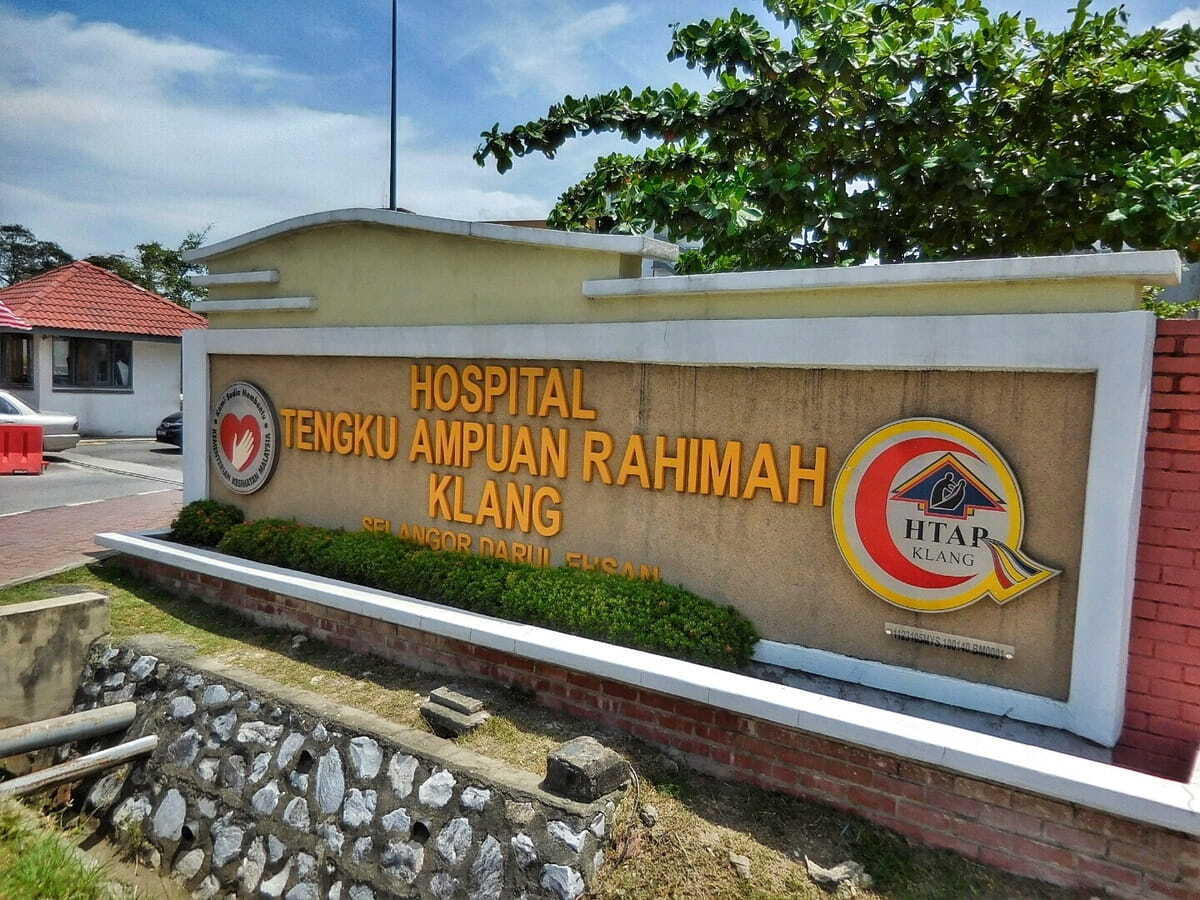
We write to formally and urgently escalate the increasingly critical and unsafe working conditions currently affecting the Medical Department at Hospital Tengku Ampuan Rahimah (HTAR), Klang.
The situation has deteriorated to a level that poses a direct and immediate risk to patient safety, continuity of clinical services, and workforce sustainability, necessitating the declaration of “Code Blue”.
Despite repeated internal adjustments and interim mitigation measures, the current system is no longer able to function safely or effectively under existing manpower constraints.
Critical Shortage Of House Officers (HOs)
At present, only 15 House Officers (inclusive of officers on annual leave, medical leave, emergency leave, and end-of-posting status) are serving the entire Medical Department.
This number is grossly insufficient to support routine ward operations, emergency admissions, and on-call services.
Consequently, core House Officer responsibilities have been disproportionately transferred to Medical Officers (MOs), resulting in significant workflow disruption, increased workload burden, and heightened clinical risk.
Excessive Ward And Patient Load
The Medical Department comprises 13 medical wards, each accommodating approximately 60 patients, with sub-wards holding up to 14 patients.
The resulting patient-to-doctor ratio far exceeds accepted safe operational standards, placing sustained strain on the workforce and increasing the risk of delayed care, compromised clinical oversight, and medical error.
Medical Officer Workforce Constraints
Although the department is allocated 50 Medical Officers, only approximately 40 MOs are available as active working manpower. These officers are concurrently required to provide clinical coverage for:
- 13 medical wards.
- Medical Outpatient Department (MOPD).
- Peri-admission patients.
- Emergency Department (ED).
- Medical Department Short Stay Unit (MDSU).
This distribution of manpower is operationally unsustainable and adversely affects service delivery across all clinical areas.
Unsustainable Medical Outpatient Department (MOPD) Workload
MOPD attendance frequently reaches up to 120 patients per session during morning clinics alone. Morning clinic sessions routinely extend until 3.00pm, after which MOs are required to proceed directly with afternoon clinic duties.
This occurs with minimal opportunity for rest, without adequate manpower reinforcement, and without effective workload redistribution. Any delay arising from complex or unstable cases further compounds clinic congestion and prolongs patient waiting times.
This practice is inconsistent with principles of safe, effective, and sustainable clinical service provision.
Unsafe Cubicle Coverage And Scope of Duties
Within the wards, one MO is frequently assigned responsibility for three cubicles, managing 30 to 35 patients concurrently. The scope of responsibilities includes:
- Blood taking.
- Cannulation (branula insertion).
- Tracing and reviewing investigation results, including cross-matching and blood product preparation.
- Sending urgent blood samples to the laboratory.
- Referrals.
- Resuscitation and acute management.
- Daily patient reviews.
- Discharges and comprehensive medical documentation.
This scope and volume of work are clinically unsafe, physically exhausting, and professionally unsustainable.
On-Call Duties Without House Officer Support
MOs are required to undertake six to seven active on-call shifts per month, frequently without House Officer support overnight.
Average overnight admissions range from 12 to 16 patients, with the on-call MO solely responsible for:
- Complete clerking and documentation.
- Blood taking and cannulation.
- Patient transportation.
- Management of all acute and unstable cases.
- Sending urgent blood samples.
- Conducting family conferences.
- Arrangement and follow-up of urgent radiological investigations.
The absence of adequate manpower during simultaneous acute events significantly compromises the ability to deliver timely and safe care.
Furthermore, following overnight on-call duties, MOs are routinely required to continue routine ward and clinical responsibilities until at least 1pm, ensuring completion of all outstanding clinical and administrative tasks.
This prolonged duty duration places both patient safety and doctor well-being at unacceptable risk.
Limited Effectiveness Of Current Mitigation Measures
While initiatives such as the Flying Squad for blood taking have been introduced, their overall effectiveness remains limited due to:
- Inconsistent and brief operational presence (intended operational hours: 8.00am to 12.00pm).
- Inability to perform cannulation.
- Inability to manage difficult, restless, or intubated patients.
- Lack of structured monitoring, supervision, and accountability.
As a result, these measures do not provide meaningful or sustained workload relief to Medical Officers.
Ineffective Implementation Of The Discharge Lounge
The Discharge Lounge was established to facilitate early patient discharge and improve bed turnover.
However, its intended function has been significantly undermined as:
MOs stationed there do not routinely prepare prescriptions, referral letters, or medical certificates.
Patients admitted for more than two weeks are categorically excluded.
These limitations negate the fundamental purpose of the Discharge Lounge and fail to meaningfully reduce ward congestion or admission delays.
Escalating Resignations And Workforce Attrition
MOs are resigning at an alarming and increasing rate, largely attributable to prolonged exposure to unsafe and unsustainable working conditions.
Those who remain continue to serve out of professional responsibility and commitment to public service, often at considerable physical, psychological, and personal cost.
It must be recognised that health care workers have finite physical and psychological limits. Persistent overstretching of the workforce mirrors the physiological principle described in Starling’s Law; when a system is pushed beyond its functional capacity, performance inevitably deteriorates.
Similarly, a chronically overburdened health care workforce will experience declining resilience, effectiveness, and quality of care.
Urgent Call For Immediate Action
In view of the above, we strongly urge the Ministry of Health and relevant authorities to take immediate, decisive, and measurable action to:
- Rectify critical manpower shortages.
- Establish safe and realistic workload distribution.
- Implement effective support mechanisms and retention strategies for MOs.
Failure to intervene promptly risks further workforce attrition, compromised patient safety, and long-term deterioration of public health care delivery.
Our doctors remain committed to serving the people of Malaysia. However, the current conditions are neither safe, humane, nor sustainable. Immediate intervention is no longer optional—it is imperative.
The author is a medical officer at HTAR Klang. CodeBlue is providing the author anonymity because civil servants are prohibited from writing to the press.
- This is the personal opinion of the writer or publication and does not necessarily represent the views of CodeBlue.


