

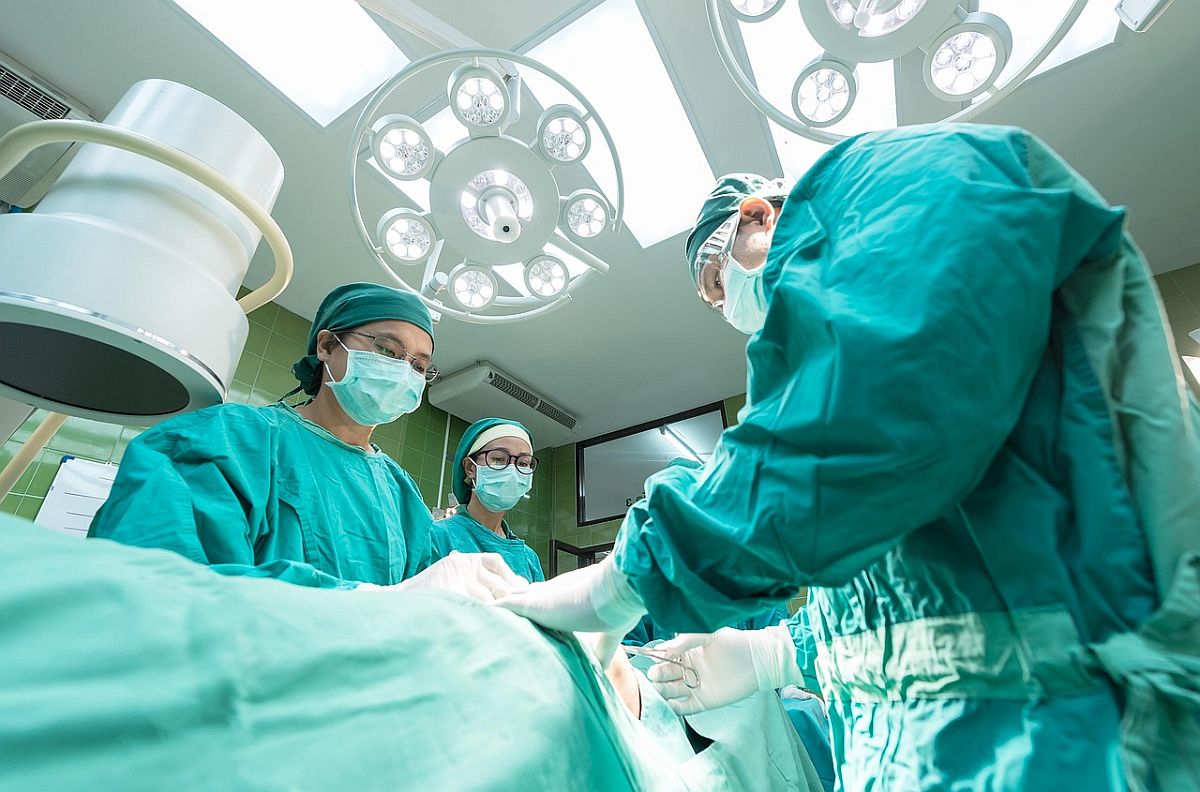
As surgical capability advances and increasingly complex cases are undertaken within private hospitals, I find myself repeatedly asked two questions that, frankly, continue to trouble me: why do you need a second surgeon (an assistant), and why does this patient require rehabilitation, and for how long?
Both questions reflect deeper structural blind spots in how we currently conceptualise safe, modern surgical care.
The Assistant: Not A Luxury, But A Safety Requirement
Over 25 years ago, when I was still practising exclusively in the public sector, a colleague from a private institution called me urgently.
He was in the middle of clipping an intracranial aneurysm when an intraoperative rupture occurred. When I arrived in the operating theatre, it felt like the loneliest place on earth.
He was operating under the microscope. His only assistance was a nurse — competent, dedicated, but not trained to assist in microsurgery. An unexpected aneurysm rupture is one of the most stressful situations a neurosurgeon can encounter. To face that moment without a trained assistant is unsafe, for the patient and the surgeon.
Most neurosurgical procedures are inherently complex. A second pair of trained hands and eyes is not optional; it is essential. In Malaysia, nurses are not formally trained to assist under the operating microscope.
Even in relatively straightforward non-microsurgical cases, senior surgeons become understandably anxious when an inexperienced assistant inadvertently applies suction to the brain. This is not a criticism of nurses, it is a reflection of a system that places them in roles beyond their formal training.
We do not currently have operating department personnel trained specifically to assist surgeons directly, let alone under the microscope. Expecting nurses to fill this gap is unfair. When things go wrong, they may be reprimanded or blamed for actions that were never part of their professional training to begin with.
A trained assistant also provides cognitive value. They may notice subtle changes missed by a primary surgeon deeply engrossed in the field. They help procedures conclude more efficiently, reducing operative time, anaesthetic exposure, and, counterintuitively, overall cost to the patient.
This need becomes even more critical in stereotactic procedures such as brain biopsies or navigated endoscopy. These operations rely on pre-planned computer trajectories through normal brain to deep targets.
An assistant provides an independent check on entry point, trajectory, and execution, an essential safeguard in high-precision surgery.
Planes have co-pilots and even buses today require an assistant driver. Prhaps 25 years ago, it was acceptable for surgeons to operate with nurses assisting, but surely we have come a long way from that?
Rehabilitation: An Integral Continuum Of Care, Not An Afterthought
As we undertake more advanced vascular, brain tumour, epilepsy and skull base procedures, operating around the brainstem, cranial nerves, and major vessels and as we manage patients with severe head injuries, rehabilitation is no longer optional. It is integral to the outcome.
In the past, rehabilitation often meant some physiotherapy, occasionally occupational therapy, and perhaps speech therapy. Today, rehabilitation medicine has evolved into a subspecialty in its own right.
Specialist rehabilitation physicians assess patients, prescribe tailored multidisciplinary therapy programmes, and oversee their delivery. Their involvement has a demonstrable impact on functional outcomes and quality of life.
Yet their role is frequently questioned: is a rehabilitation specialist really necessary, and how long should rehabilitation continue?
These questions persist despite the fact that rehabilitation services are readily available in many academic centres and Ministry of Health (MOH) hospitals.
Dedicated rehabilitation hospitals have been established by the MOH and SOCSO. And yet, referrals to rehabilitation specialists particularly within private hospitals—are often scrutinised or challenged.
Rehabilitation therapists are equally essential for patients with complex spinal and orthopaedic injuries. Functional recovery does not occur automatically once surgery is complete. It requires structured, specialist-led intervention from the outset and often even before surgery.
Moving Forward
I write this not as a complaint, but as a call for recalibration.
If we genuinely wish to improve outcomes for patients undergoing complex surgical procedures, and if Malaysia aspires to be positioned as a serious leader in medical tourism, then aspects of our surgical ecosystem must be brought firmly into the 21st century.
That includes recognising the trained surgical assistant as a patient-safety necessity, and rehabilitation as a core component of treatment, not an optional add-on.
Modern surgery does not end when the skin is closed, and it is never meant to be performed alone.
The author is a consultant neurosurgeon.
- This is the personal opinion of the writer or publication and does not necessarily represent the views of CodeBlue.


