

KUALA LUMPUR, Jan 28 — Singapore has recognised Universiti Sains Malaysia’s (USM) medical school, bringing the total number of recognised Malaysian medical schools to three, after earlier recognition of Universiti Malaya (UM) and Universiti Kebangsaan Malaysia (UKM).
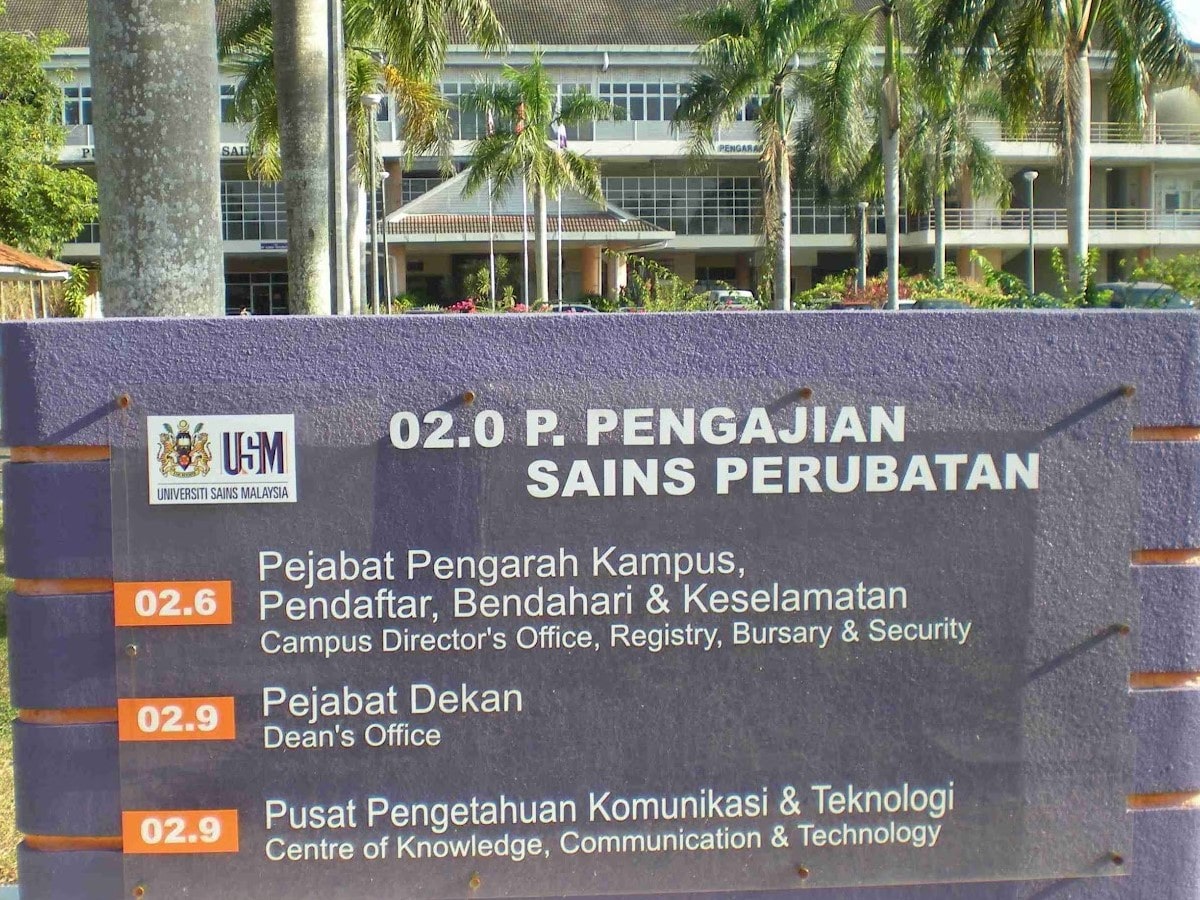
Singapore’s Ministry of Health announced in a statement yesterday that it and the Singapore Medical Council (SMC) will recognise eight more overseas medical schools from February 1 this year, including USM’s School of Medical Sciences in Kubang Kerian, Kelantan.
“All graduates from these medical schools, regardless of nationality, and whether they graduate before or after 2026, can apply for registration with SMC to practise medicine in Singapore, subject to the fulfilment of SMC’s prevailing requirements.”
Following MOH’s announcement, Dr Chong Chern Hao, a senior consultant gastroenterologist at Singapore’s Mount Elizabeth Hospital, invited USM medical graduates to do their housemanship in the island republic.
“Can come Singapore do Housemanship/ MO/ Join Local training!” Dr Chong, who has 16,000 followers, posted on Facebook.
Meanwhile, a Malaysian senior medical officer serving at a Ministry of Health (MOH) government hospital wrote on Facebook that Singapore has just made a “quiet but devastatingly strategic” move.
“USM is now officially recognised by Singapore’s Ministry of Health and SMC. That single administrative decision opens a direct pathway for Malaysian doctors with a USM MD to work, train, and build careers in Singapore — housemanship, MO posts, local training, long-term specialist pathways, and institutional integration,” the doctor wrote.
He added that while Malaysia continues debating whether allowances are “privileges” or “entitlements”, and doctors argue for basic welfare, fair pay, humane workloads, and functional career pathways, Singapore is building pipelines.
“This is what functional governance looks like,” the medical officer wrote. “So let’s stop pretending this is a ‘brain drain problem’. It’s not. It is a brain push-out policy.”
He said doctors in Malaysia “will continue to leave” not for pay alone, but because a lack of predictability, professional dignity, and institutional support make remaining in the public system untenable.


