

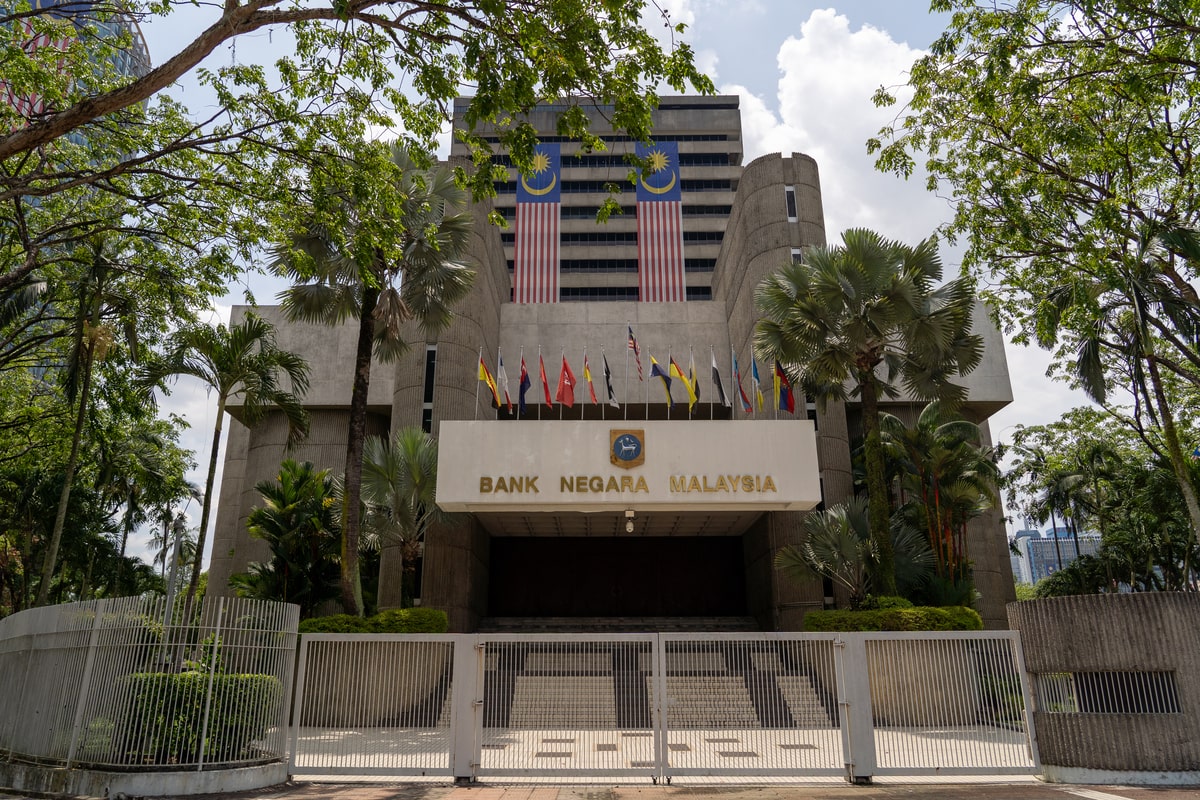
Bank Negara Malaysia (BNM) has positioned MediAsas as a major initiative to make private medical assurance more affordable and sustainable.
While its objectives are commendable, questions remain over whether it genuinely addresses health care affordability or simply shifts financial risks from insurers to policyholders.
In a BernamaBiz interview on November 16, 2026, BNM Deputy Governor Aznan Abdul Aziz outlined its proposed cost-control measures. However, lower costs must not come at the expense of adequate medical protection.
This article seeks to encourage all stakeholders to think critically, engage constructively, and work towards a genuine, sustainable solution that serves the interests of all Malaysians.
Affordability Must Mean More Than Lower Premiums
The fundamental weakness in the argument for MediAsas is the apparent emphasis on affordable premiums rather than comprehensive health care protection. An assurance policy is only valuable when it provides sufficient financial protection during illness.
A lower monthly premium may appear attractive, but if it comes with restrictive hospital networks, substantial out-of-pocket expenses, or inadequate annual coverage limits, consumers may ultimately pay a much higher price when they need treatment.
MediAsas Teras, for instance, carries an annual coverage limit of RM100,000, increasing to RM150,000 when the policyholder reaches 60. Although BNM maintains that historical claims data indicate these limits are sufficient for the vast majority of claims, historical averages should not be the sole benchmark for designing future health care protection.
A small proportion of patients may require prolonged hospitalisation, expensive cancer treatment, complex surgery or multiple procedures. For these individuals, RM100,000 can be exhausted quickly.
Assurance should protect people against financial catastrophe, not merely cover the average hospital bill. The real test is whether the scheme can protect patients with serious and complicated illnesses.
The Danger Of Shifting Costs To Patients
Another concern is the copayment structure. Under MediAsas Teras, patients using non-panel hospitals face 20 per cent co-assurance, capped at RM3,000 for those below 60 and RM4,000 for older policyholders. Deductibles also apply when treatment is obtained at panel hospitals.
Although BNM argues that copayments encourage responsible health care utilisation, policymakers must recognise that patients do not always choose hospitals based on price and they are not the main price drivers.
Medical emergencies, specialist availability, geographical proximity and existing relationships with treating doctors influence hospital decisions. Patients with serious conditions should not have to weigh financial penalties against their preferred medical treatment.
Furthermore, copayments can disproportionately affect lower- and middle-income households, particularly retirees and individuals living with chronic illnesses. For a family already struggling with medical expenses, even a few thousand ringgit can represent a substantial financial burden.
The question, therefore, is not whether copayments are common internationally, but whether they are appropriate for Malaysia’s income distribution and health care circumstances in underlying the true cost drivers.
Hospital Costs Cannot Be Controlled Through Assurance Design Alone
BNM’s emphasis on diagnosis-related group (DRG) payments, health technology assessments and electronic medical records is encouraging. Nevertheless, these reforms must be implemented carefully.
Health care costs are influenced by numerous structural factors, including hospital operating expenses, medical equipment, pharmaceutical prices, specialist shortages and the commercial incentives within private health care driven by the board and management.
Changing how insurers reimburse hospitals does not automatically resolve these underlying problems. DRG-based payments, for example, may encourage efficiency, but poorly calibrated payment rates could also create incentives to shorten hospital stays, limit services, or avoid complicated patients.
Similarly, a preferred hospital network is only meaningful if it offers sufficient geographical coverage, specialist expertise and consistent clinical standards.
How will the government ensure that cost containment does not become an excuse for compromising clinical outcomes or restricting access to necessary treatment?
Pre-Existing Conditions Remain A Significant Concern
MediAsas is also being positioned as a more accessible option for people who struggle to obtain medical assurance.
However, BNM acknowledges that individuals with pre-existing conditions may face additional premiums or exclusions. This creates an important contradiction.
Those who most need affordable medical protection are often those who face the greatest barriers to obtaining it. Allowing someone to purchase a policy does not necessarily mean that the policy will cover the very condition for which protection is needed.
The industry and regulators must therefore explore more inclusive underwriting arrangements, supported by transparent risk-sharing mechanisms.
A health care financing framework should not leave vulnerable individuals with the illusion of protection while excluding their most significant medical risks.
EPF Savings Shouldn’t Become A Substitute For Affordable Assurance
The proposal to allow eligible Employees’ Provident Fund (EPF) members to use Akaun Sejahtera to pay MediAsas premiums also deserves careful scrutiny.
While greater flexibility in financing health care is welcome, retirement savings should not gradually become a mechanism for compensating for the inability of the assurance industry to provide affordable coverage.
Members must consider the long-term opportunity cost of withdrawing savings for recurring assurance premiums. The fact that the money comes from Akaun Sejahtera rather than Akaun Persaraan does not make it cost-free.
More importantly, the responsibility for affordable health care should not be increasingly shifted to individuals through their retirement savings.
A Broader Reform Is Needed
Ultimately, MediAsas should be viewed as one component of health care reform, not the definitive solution.
Malaysia needs regulation to control private hospital pricing, greater transparency in medical billing, effective monitoring of assurance premium increases and a more substantial commitment to strengthening public health care facilities.
The government should also publish regular performance assessments of MediAsas, including claims rejection rates, actual out-of-pocket expenses, hospital network accessibility, and the adequacy of coverage for serious illnesses. Consumers deserve measurable evidence that the scheme delivers what it promises.
Conclusion
Malaysia needs a sustainable medical assurance, but affordability must not come at the expense of adequate protection.
Insurers and private hospitals have a symbiotic relationship, yet neither appears to be making sufficient efforts to meaningfully address rising health care costs.
The government has yet to demonstrate meaningful reform in regulating and controlling private hospital charges. Ultimately, Malaysia must move towards universal health coverage, ensuring everyone can access quality health care services without financial hardship.
MediAsas must form part of a broader reform agenda that balances the interests of insurers, hospitals and patients, with public welfare as its overriding priority.
Health care financing must not become a profit-driven exercise at the expense of policyholders’ interests and protection.
Dr Mohamed Rafick Khan is a trained physician with 12 years of experience in military medical services and over 22 years of experience in the assurance industry. He retired as the CEO of a multinational reinsurance company in 2019 and remains active as an independent international assurance industry consultant.
- This is the personal opinion of the writer or publication and does not necessarily represent the views of CodeBlue.


