

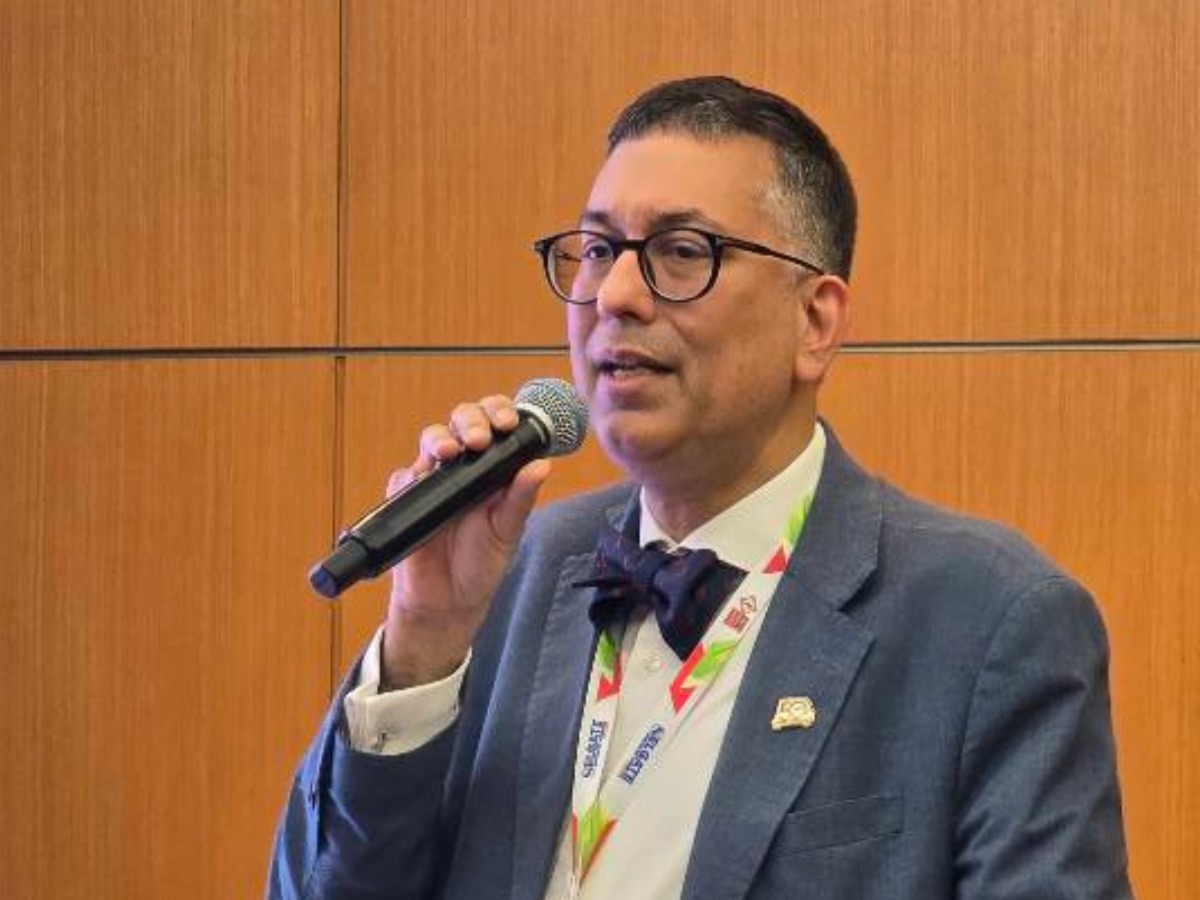
KUALA LUMPUR, Oct 16 — Malaysia should require patients and health care providers to attempt mediation before taking medical negligence disputes to court, Association of Private Hospitals Malaysia (APHM) president Dr Kuljit Singh said.
Dr Kuljit said early intervention and communication between hospitals, doctors, and patients could prevent medical disputes from escalating into lengthy litigation.
Hospitals should have systems to identify problems early, such as when a doctor or nurse raises concerns or a patient makes a complaint, followed by a joint review involving the hospital and doctor.
“The moment you feel there’s something, don’t have that ego, quickly raise it. We should all work on it together,” Dr Kuljit said in a podcast interview with The Japhire Gopi Conversations uploaded on September 17.
He said hospitals could then engage patients and their families quickly to explain what had happened and determine whether the issue could be resolved.
“Early communication is the most important thing that has saved a lot of issues,” he said.
Dr Kuljit said mediation should ideally take place before a medical negligence case proceeds to court, although patients currently have multiple avenues to make complaints and can choose to pursue legal action.
Malaysia needed a legal framework to support such a system, he said, as parties could otherwise bypass mediation. “If there is no law, you can always say I don’t want to go for mediation, I want to go to court,” he said.
Any mediation system, he added, would need to be trusted by patients and involve neutral experts, rather than be perceived as a way to protect doctors or hospitals.
Litigation Fears Push Doctors Towards Defensive Medicine
Dr Kuljit said reducing reliance on litigation could also curb defensive medicine, as doctors may order additional investigations to protect themselves against potential lawsuits.
He said doctors could not rely on cost savings as a defence for not conducting an investigation if a patient was later found to have an undiagnosed condition.
“Nobody will be at your defence when you say, ‘I was trying to save a certain amount of costs for the patient and that’s the reason I didn’t do certain investigations’,” he said. “If I’m a patient, I would expect my doctor to investigate me thoroughly.”
Last October 2, the High Court in Ayer Keroh, Melaka, awarded an eight-year-old girl RM12.19 million in a suit against a government hospital and its doctors, the highest ever court award for medical negligence in Malaysia, after she suffered brain damage during birth and was subsequently diagnosed with spastic quadriplegic cerebral palsy.
Judicial Commissioner Isa Aziz Ibrahim reportedly said the award wasn’t large because it was meant for 55 years, amounting to only about RM20,000 a month, which he considered to be adequate.
Dr Kuljit also linked defensive medicine to rising health care utilisation and costs, saying medical inflation figures of 14 to 16 per cent did not necessarily mean private hospitals were increasing their charges by the same rate.
He attributed part of the increase to greater health care utilisation, including more investigations and treatment following earlier detection of illness.
The issue of medical negligence and hospital liability gained prominence after the Federal Court’s 2024 ruling in Siow Ching Yee v Columbia Asia Sdn Bhd, which found Columbia Asia liable for the negligence of a consultant anaesthetist and awarded RM4.5 million in damages against the hospital and anaesthetist.
APHM subsequently warned that the ruling could encourage defensive medicine and increase health care costs.
Dr Kuljit said patients are increasingly involved in decisions about their treatment and expect doctors to explain their options, risks and likely outcomes rather than simply follow their physicians’ instructions.
The shift towards shared decision-making, he said, meant doctors needed to engage with patients who arrived with information obtained online or through artificial intelligence tools such as ChatGPT.
Dr Kuljit said some patients came to consultations with their own diagnoses and treatment suggestions after using ChatGPT, which he viewed positively as long as doctors corrected any inaccurate information.
“I guide them. I said I know you have done your investigation and you have done it through ChatGPT. Let me tell you this part is absolutely right but this part of it is not so correct and another part of it is totally wrong,” he said.
“Patients coming prepared for me is good because it makes my life easier to explain to them versus a patient who has got totally no clue about his condition,” he added.
Dr Kuljit said doctors needed to keep up with the information patients were getting from AI tools. “If you as a doctor do not want to get involved with AI, you’re going to have problems because AI is going to rule you, and the patients are going to rule you.”


