

The Malaysian Medical Association (MMA) welcomes the government’s commitment to end the contract doctor system, with over 9,000 contract doctors to be offered permanent positions in 2027 and permanent appointments promised to doctors who successfully complete housemanship.
This is a significant milestone and addresses one of MMA’s long-standing calls. We commend the government for taking this important step towards providing greater job security and career certainty for our young doctors.
MMA also welcomes the overall increase in the Ministry of Health’s (MOH) allocation to RM47.7 billion, from RM46.5 billion in 2026.
However, while these are positive developments, MMA had hoped for more substantial commitments towards health care workforce retention and addressing the critical shortage of specialists.
Malaysia faces a shortage of nearly 11,000 specialists. With the growing burden of non-communicable diseases (NCDs) and an ageing population, demand for specialist care will only increase.
We cannot afford to lose more specialists when we urgently need to train and retain more of them. Greater investment is needed to expand specialist and subspecialist training opportunities, improve career progression, ensure fair remuneration, and address the working conditions driving experienced doctors out of public service.
Permanent appointments are an important step forward, but they must be supported by a comprehensive workforce retention strategy. Ending the contract doctor system must not be the end of our efforts to strengthen the health care workforce.
We also hope sufficient funding has been provided to address the critical manpower shortages in Sabah and Sarawak, including better incentives, working conditions and career development opportunities.
MMA reiterates its call to revert to the previous percentage-based Regional Incentive Payment (BIW).
MMA welcomes the increase in the Flying Doctor Service (FDS) incentive. However, the revised amount remains inadequate and does not reflect present-day realities, the demanding conditions, and significant safety risks faced by health care personnel serving remote communities.
These personnel deserve compensation that is commensurate with the challenges and risks they undertake. We urge the government to review the incentive further and prioritise investment in operational safety, aircraft maintenance and personnel protection.
We also welcome the investments in medical equipment, health care digitalisation, and public-private collaboration. Nevertheless, the RM1.2 billion allocation for hospital and clinic maintenance remains unchanged from 2026. With ageing facilities and mounting maintenance needs, MMA had hoped for a higher allocation.
Greater emphasis must also be placed on strengthening primary health care to reduce the growing burden of NCDs. Malaysia’s extensive network of private general practitioners remains underutilised and should play a greater role in prevention, early detection, and long-term disease management.
Strengthening primary care is essential to reducing avoidable hospital admissions and easing pressure on specialist services.
Ultimately, the success of Budget 2027 must be measured not merely by the allocations announced, but by improvements in patient care, waiting times, workforce retention, and access to health care.
MMA reiterates its call for a national health care workforce distribution dashboard to provide greater transparency on staffing levels and shortages at individual public hospitals and clinics. This will enable better workforce planning and help ensure resources are directed where they are most needed.
We appreciate the government’s efforts and recognise the country’s fiscal constraints. However, health care investment must keep pace with the increasing demands of an ageing population and the growing burden of disease.
MMA remains committed to working closely with the government to ensure Budget 2027 delivers meaningful and lasting improvements to Malaysia’s health care system.
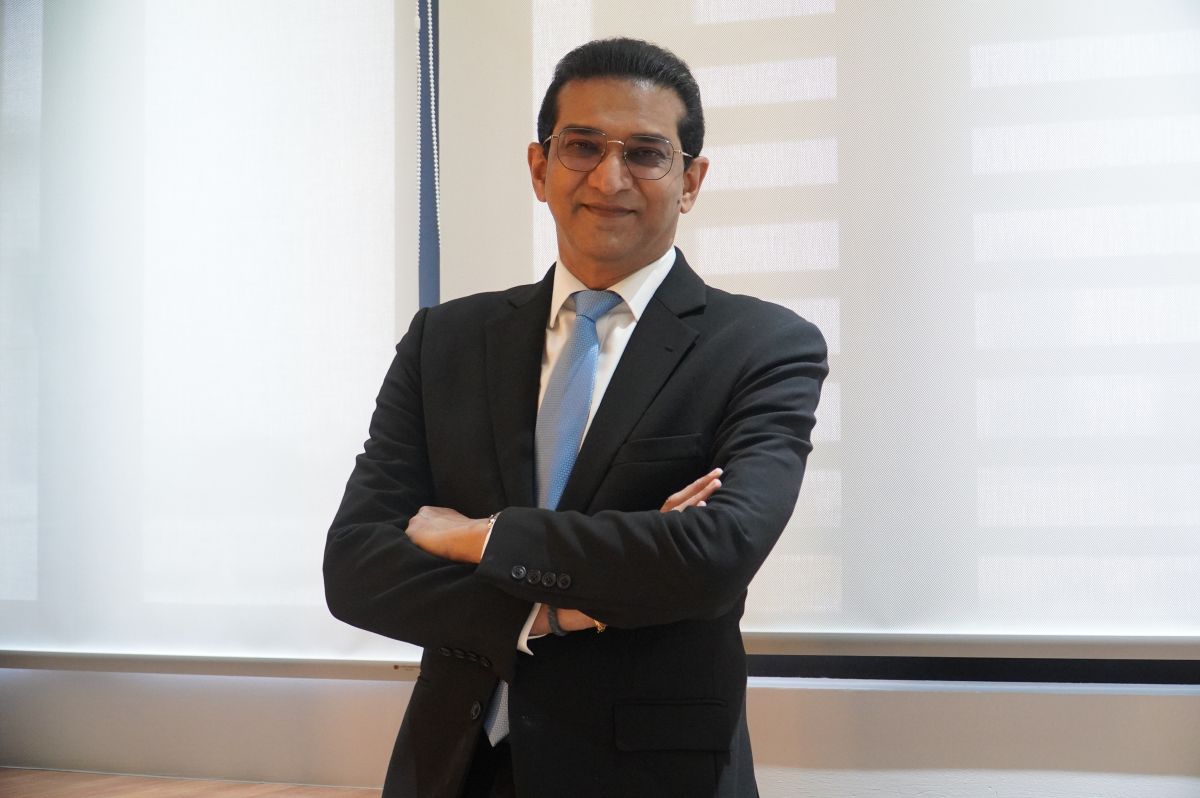
This press statement was issued by MMA president Dr Sivanaesan Letchumanan.
- This is the personal opinion of the writer or publication and does not necessarily represent the views of CodeBlue.


