

The nation has lost five people in the Flying Doctor Service (FDS) helicopter tragedy at Long Lellang, Sarawak: pilot Captain Zainol Afiq Bee Sham, medical officer Dr Ainul Baraah Kamaruddin, assistant medical officer Alexson Adit Henry, and staff nurses Debra Moset and Jessie Paya Jok.
They died while bringing essential health care to communities in the interior. The Malaysian Medical Association (MMA) has expressed its condolences. Today, MMA speaks for every health care worker who remains on duty and every family waiting for them to return home safely.
This was not the first warning. A FDS helicopter crashed in Cameron Highlands in 2022, seriously injuring personnel. Further emergency landings involving FDS operations were reported in Sabah in 2024 and Sarawak in 2025.
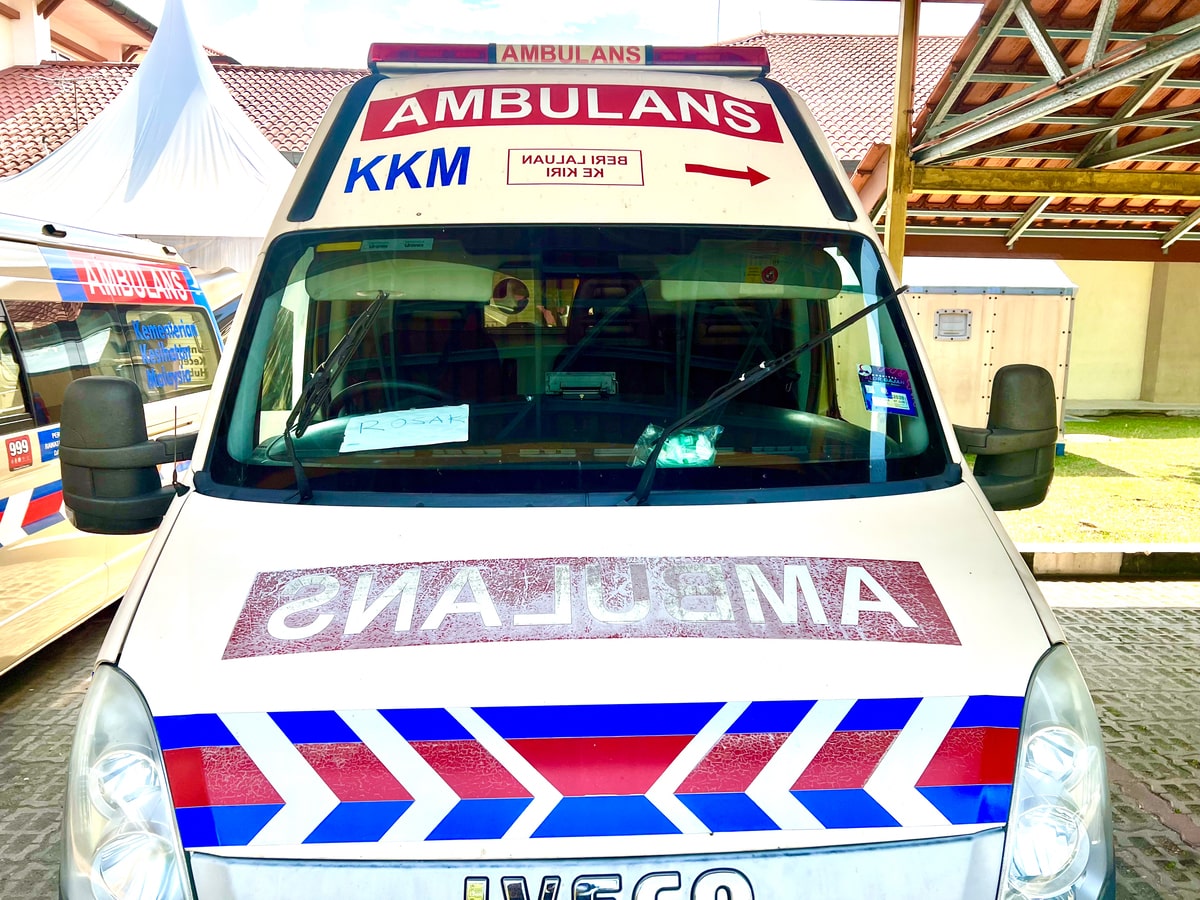
Ambulance accidents are also not isolated events. Malaysian research using police data recorded an average of 129 ambulance accidents annually across the five years studied, including nine fatal accidents. Doctors, nurses, assistant medical officers, ambulance drivers, and patients have been killed or seriously injured.
These incidents must no longer be treated separately and forgotten after the headlines fade.
The RM30 Air Health Service incentive was introduced in 1978 and remains unchanged. More importantly, this allowance is not insurance and cannot compensate for death or permanent disability.
Health care workers deployed on domestic missions by air, land, or sea do not appear to receive the same dedicated travel and personal accident insurance protection already provided for public officers travelling overseas on official duty. This is a policy gap that must be closed immediately.
MMA’s position is unequivocal: with immediate effect, the government must ensure that only transportation independently verified as safe, airworthy, roadworthy, seaworthy, and fit for the intended mission is used to transport health care workers.
No aircraft, ambulance, boat, or other vehicle should be deployed merely because it is available or because a contractual arrangement is already in place.
Its age, maintenance history, safety certification, emergency equipment, and suitability for the terrain and weather conditions must be properly assessed.
Administrative urgency, operational pressure, or contractual convenience must never override the safety of personnel.
MMA is not calling for the abandonment of the FDS. Rural communities depend on it. However, an essential service cannot operate on the assumption that health care workers must accept every risk placed before them.
Health care aviation must be treated first and foremost as a clinical service, not merely as an aviation contract that carries health care workers.
Clinical requirements must determine the aircraft, medical equipment, staffing, training, and operating procedures.
Clinical governance must lead, while procurement and corporate governance must support it.
Contracts for health care transportation must not be awarded principally on the lowest price. Safety record, asset suitability, maintenance capability, operational experience, emergency preparedness and clinical requirements must carry decisive weight.
MMA therefore calls for the following to be implemented immediately:
Immediate Safety Assurance: All aircraft, ambulances, boats, and other vehicles used for health care missions must undergo independent safety verification.
Scheduled services involving any asset that has not received this assurance should not proceed. Emergency missions must remain subject to strict safety and operational clearance.
Mandatory Government-Funded Insurance: Automatic personal accident and travel insurance must be provided for all personnel deployed on official health care duties by air, land, or sea, including disaster response, humanitarian assistance and mercy missions.
Protection must apply regardless of whether personnel are permanent, contract or employed through an appointed operator.
Guaranteed and Timely Compensation: the Ministry of Health (MOH), the Public Service Department (JPA), and the Ministry of Finance (MOF) must clearly state the full benefits and compensation available to the families of those who died.
The Sarawak government’s RM100,000 assistance to each family and commitment to support the education of their school-going children are welcomed.
Federal compensation and employment benefits must be provided separately, promptly and without requiring grieving families to navigate a complicated claims process.
Review of Existing Allowances and Protection Schemes: The RM30 incentive must be reviewed comprehensively. The ex-gratia Bencana Kerja scheme must also be examined to determine whether it provides adequate and equitable protection for hazardous duties and across different employment categories.
A higher allowance alone does not make an unsafe mission safe. Insurance, proper training, safe transportation and employer accountability must form part of one comprehensive protection framework.
No Blanket Waiver of Accountability: No health care worker should be required to sign away legal protection as a condition of performing an official duty. Any existing indemnity or liability-waiver form must be reviewed immediately.
No waiver should protect any government agency, contractor or operator from accountability where negligence or failure of duty is established.
National Task Force and Health Care Transport Safety Audit: The government should establish a multidisciplinary national task force to review the entire FDS, Medevac, ambulance and medical-boat system.
It must include frontline clinicians experienced in FDS and Medevac operations, nurses, assistant medical officers, emergency physicians, aviation and transport-safety experts, regulators, and representatives from Sabah and Sarawak.
The review must examine the service model, asset suitability, maintenance, contractor selection, weather protocols, staff fatigue, emergency equipment, clinical configuration, safety training, and incident reporting.
Procurement decisions must give decisive weight to safety, operational capability and clinical requirements, not merely cost. The findings, corrective actions and implementation timeline must be made public.
Training and the Right to Raise Safety Concerns: Personnel must receive proper safety and emergency training before deployment. This must include emergency evacuation procedures and training appropriate to air, land, or sea operations.
Personnel must also be able to raise a reasonable safety concern or decline an unsafe deployment without intimidation, discrimination or disciplinary consequences.
Malaysia must also develop a phased national aeromedical service framework covering scheduled rural health care services, emergency Medevac and patient retrieval, interhospital transfers, disaster response and integration with ground ambulances and receiving hospitals.
The operating model, whether directly managed by the Government or through a properly governed public-private partnership, must place patient safety, clinical standards and workforce protection at its centre.
The five lives lost at Long Lellang must mark a turning point. Compassion after a tragedy is important. Prevention before the next tragedy is a duty.
No health care worker should again be sent by air, land or sea without proper training, transparent safety assurance and protection for the family waiting for them to return.
Those sent to save lives must never be asked to surrender their own protection as a condition of service.
This press statement was issued by MMA president Dr R. Arasu.
- This is the personal opinion of the writer or publication and does not necessarily represent the views of CodeBlue.


