

BANGKOK, August 7 — When Thai singer-songwriter Chawin “Jugg” Chitsomboon was diagnosed with tuberculosis (TB) in 2023, the response extended far beyond treating one patient.
Around 30 family members, friends, and close contacts were screened. Four were found to have latent TB infection (LTBI) – meaning they were infected with the bacteria but had no symptoms or active disease – including his then-nine-year-old son, manager, and drummer.
The four received TB preventive treatment, taking medication once a week for three months to prevent their latent infection from progressing to active TB disease. Jugg, who had TB disease, underwent a separate six-month course of treatment.
Unlike many people with TB, Jugg chose to speak openly about his diagnosis, sharing chest X-rays and updates on social media to encourage others to get tested.
“I kind of openly talked about my health and how sick I was. I even showed the X-ray on my Instagram and Facebook. ‘Hey guys, I got TB.’ There was no stigma for me. Everyone understood and gave me support,” he said.
But many others keep their diagnosis secret.
“A lot of people come to me and say, ‘Hey, I have TB,’ but they didn’t tell anybody and didn’t get the people around them tested because they kept it secret. Just speak out.”
Jugg completed six months of treatment and was declared free of TB.
Experts at the recent Asia-Pacific International Roche Infectious Disease Symposium (APAC-IRIDS) 2026 said Chitsomboon’s experience illustrates the kind of proactive approach needed to eliminate TB across Asia-Pacific by identifying and treating infection among close contacts before it progresses to active disease.
Find And Treat TB Infection Before Disease Develops

In 2024, an estimated 10.7 million people developed TB worldwide, with Asia-Pacific (WHO South-East Asia and Western Pacific regions) accounting for 6.6 million cases, or 61 per cent of the global burden.
Despite being preventable and curable, TB killed 1.23 million people that year, while an estimated 2.4 million people who developed TB were either undiagnosed or not reported to national health authorities.
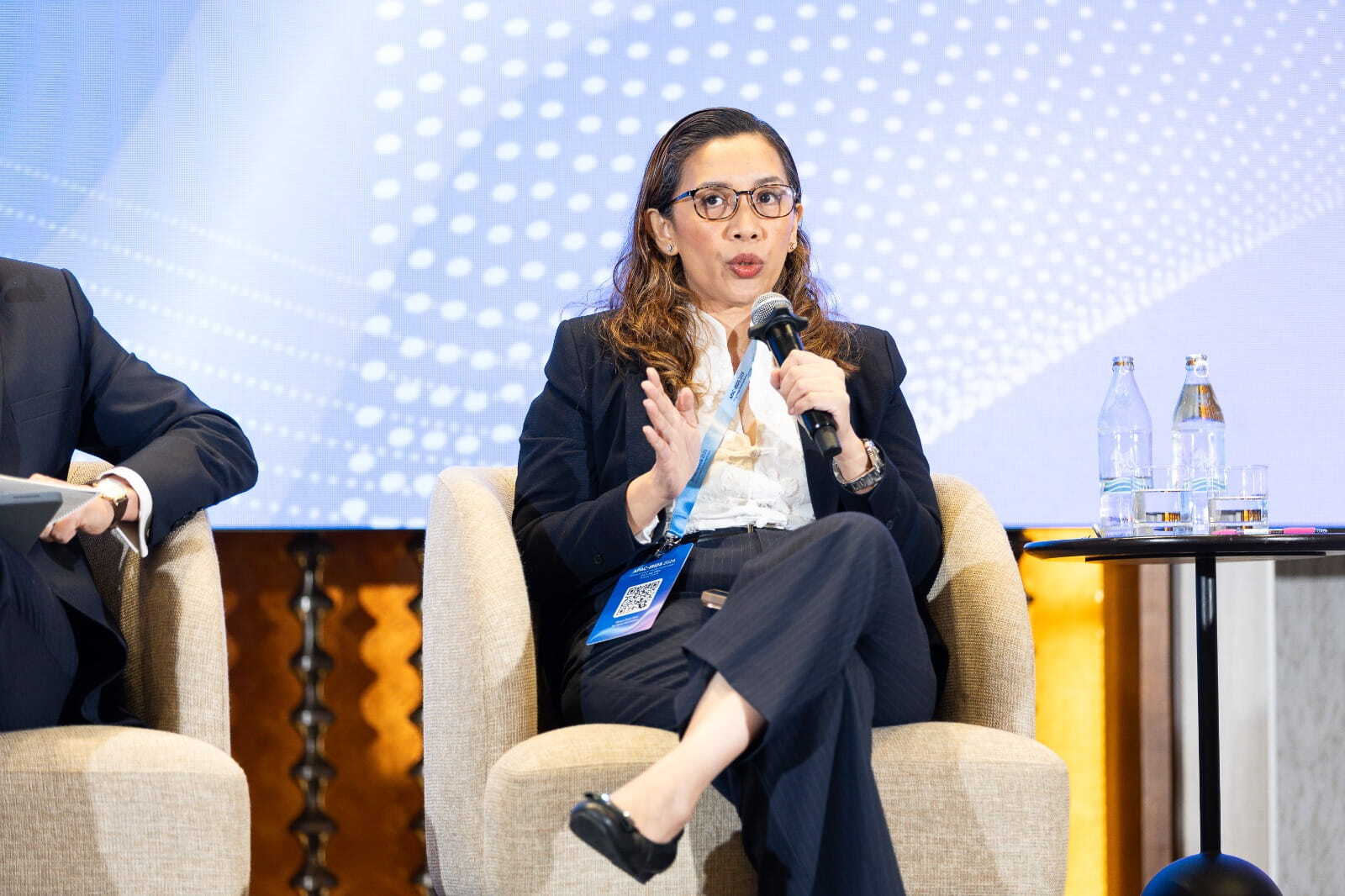
“These are not just statistics. These are individuals, these are patients, families, and communities who continue to suffer from the disease despite it being preventable and curable,” said Dr Rugaiya Calapis, a public health expert and regional TB Medical Advisory Committee chair for the Philippines’ National Capital Region (NCR) South.
Experts said one of the biggest obstacles to eliminating TB is that health systems are still largely designed to diagnose and treat people only after they develop symptoms.
Active case finding, they said, should extend beyond people who are already coughing or unwell to include household contacts and other high-risk groups, such as children under five, people living with HIV, individuals with immunosuppressive conditions, people with diabetes, those who are undernourished, and tobacco users.
“For decades, the global response has focused on TB control. It means controlling the disease once it has developed with full signs and symptoms,” said Dr Razia Kaniz Fatima, a public health specialist and epidemiologist who chairs the Ethics Advisory Group of The International Union Against Tuberculosis and Lung Disease.
“To achieve the World Health Organization (WHO) End TB Strategy goals, we need to shift from TB control to TB elimination. That requires a much stronger focus on prevention and equitable access to diagnostics.”
The shift means looking beyond active disease to identify latent TB infection before people become ill.
Experts said about 30 per cent of people exposed to TB become infected, but around 90 to 95 per cent remain symptom-free with latent TB infection. WHO estimates that about one-quarter of the world’s population has been infected with the TB bacterium, with a 5 to 10 per cent lifetime risk of progressing to active TB disease.
“If a person is diagnosed with TB, our job should not end with treating the patient only,” Dr Razia said. “We should systematically investigate household contacts, rule out active TB disease using appropriate diagnostics, test eligible contacts for TB infection, and offer preventive treatment where indicated.”
Diagnosing latent infection has become increasingly feasible through the tuberculin skin test (TST) and interferon-gamma release assays (IGRAs), allowing those at highest risk to receive TB preventive treatment before they become ill.
Dr Razia said household contact investigation should be the first priority for countries with a high TB burden because it is a “low-hanging fruit”.
“We know the cases. We know those who are diagnosed with pulmonary TB, and you can go to their households and screen every individual,” she said.
Dr Razia said waiting until infected people developed active disease missed an opportunity to stop transmission. “You never know at what age you will develop the TB disease,” she said. “Once you develop active TB, you will start spreading it to others.”
In the Philippines, Dr Calapis said mobile chest X-ray units equipped with artificial intelligence are already being used to screen communities, allowing people with suspicious findings to undergo confirmatory testing and begin treatment more quickly.
Similar AI-assisted portable chest X-ray programmes are also being deployed in Malaysia through the National Cancer Society Malaysia’s community lung screening initiative, which aims to detect lung diseases, including TB, earlier.
Testing For TB And Other Infections At The Same Visit Can Cut Treatment Delays

Experts also called for TB services to be integrated with screening for other infectious and non-communicable diseases, allowing patients to undergo multiple tests during a single clinic visit instead of returning repeatedly for different investigations.
Dr Calapis said people with TB often have co-existing conditions such as HIV or diabetes, making integrated care both more efficient and more patient-centred.
“Patients don’t experience the TB programme. They experience health care,” she said. “The burden of navigating fragmented services falls on the patient, not the programme.”
She said multi-disease diagnostic platforms could test for TB alongside other infections using the same sample, reducing delays by allowing patients to be screened for multiple conditions during their first clinic visit instead of waiting weeks between separate tests.
The approach not only improves patient convenience but also enables earlier diagnosis of co-existing conditions such as HIV and diabetes, allowing treatment to begin sooner and reducing missed opportunities for comprehensive care.
“If the patient is already there, why not maximise the opportunity?” Dr Calapis said. “Instead of asking them to come back another day for another test, let’s do it in one visit.”
Dr Calapis said integrated testing ultimately means “the right patient gets the right treatment at the right time” – an approach she said is essential to improving outcomes and advancing efforts to eliminate TB.


