

The Penang Private Medical Practitioners Society (PMPS) recognises and values the vital role pharmacists play in Malaysia’s health care system.
Their contributions in medication dispensing, medication safety, patient counselling, chronic disease education and improving medication adherence are indispensable. These responsibilities complement medical practice and strengthen patient care.
However, PMPS does not support the call of expanding prescribing authority through micro-credentialing alone.
Prescribing is not simply selecting or adjusting a medicine. It begins with making the correct diagnosis, considering alternative diagnoses, recognising complications, deciding whether further investigations are needed, managing uncertainty and accepting full medico-legal responsibility for the patient’s outcome.
For example, a patient with poorly controlled diabetes may require more than an adjustment of medication. Worsening blood glucose could be due to infection, steroid therapy, kidney disease, pancreatic disorders or poor treatment adherence.
Unless the underlying cause is identified, changing the medication alone may delay appropriate treatment and place the patient at risk.
Similarly, anticoagulation management involves far more than adjusting a warfarin dose according to the international normalised ratio (INR) result. The clinician must determine why the INR has changed and whether bleeding, liver disease, infection, interacting medicines or other medical conditions are responsible.
These examples illustrate a fundamental principle: prescribing follows diagnosis. The two cannot safely be separated.
Medical practitioners undergo extensive undergraduate and postgraduate clinical training, supervised practice, continuing professional development and are legally accountable for diagnosis, investigations, treatment decisions, follow-up, complications and professional indemnity.
Prescribing authority carries these responsibilities and cannot be viewed in isolation.
PMPS strongly supports greater collaboration between doctors and pharmacists. Pharmacists should continue to play an expanding role in medication optimisation, medication reconciliation, antimicrobial stewardship, chronic disease education, medication adherence programmes and protocol-based monitoring in collaboration with the treating medical practitioner.
The independent prescribing model in the United Kingdom developed over many years within a mature health care system supported by integrated electronic health records, established referral pathways, multidisciplinary governance and a clear legal framework.
Adopting one component of that model without the necessary supporting infrastructure risks creating uncertainty and compromising patient safety.
Health care reform should strengthen collaboration, not blur professional responsibilities. Every health care professional has an essential role, but expanded clinical responsibilities must be matched by appropriate education, statutory authority, governance, and accountability.
Patient safety must remain the guiding principle of any reform.
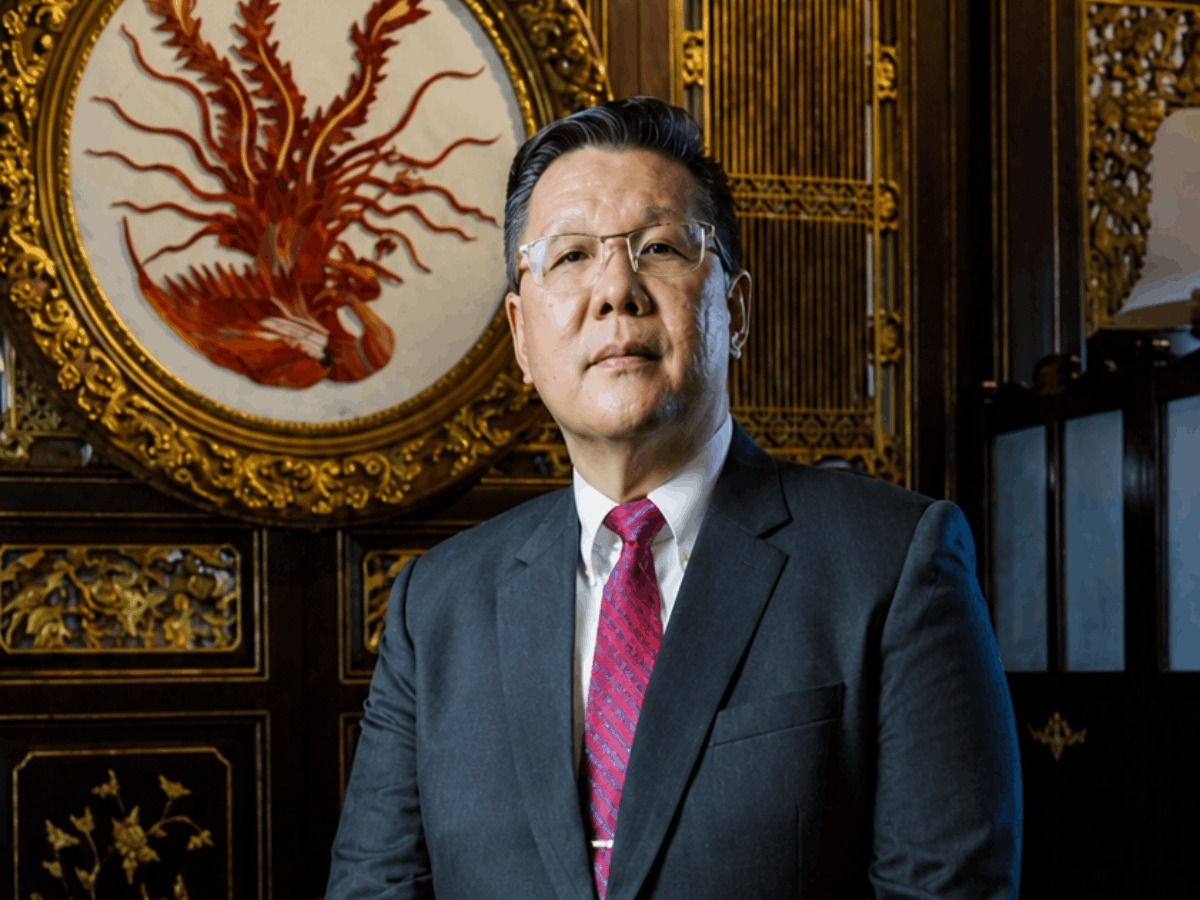
This statement was issued by PMPS president Dr Tan Eng Guan.
- This is the personal opinion of the writer or publication and does not necessarily represent the views of CodeBlue.


