

As Malaysia stands on the cusp of upgrading its national immunisation programme (NIP) with the 20-valent Pneumococcal Conjugate Vaccine (PCV20), a critical debate is emerging.
While the manufacturers have licensed PCV20 for a 3+1 schedule (three primary doses plus a booster), increasing discussion is emerging whether Malaysia should adopt a more pragmatic (and more economical) 2+1 approach.
On paper, deviating from the manufacturer’s current licensed regimen may appear unconventional.
However, if we look at the real-world evidence from the last 26 years of PCV use — specifically the science of carriage (herd immunity) and the economics of public health — we see that a 2+1 schedule is not a compromise, but an optimisation.
The Precedent For Optimised Reduced-Dose Schedules
We have been here before. When PCV7 and PCV13 were first introduced, the standard was a 3+1 schedule. Yet, as early as 2009, studies in the Netherlands began questioning whether three primary doses were an overkill.
A landmark trial published in the Journal of the American Association demonstrated that a 2+1 schedule of PCV7 significantly reduced vaccine-type carriage — the transmission of the bacteria from child to child — just as effectively as the heavier schedule.
Why does carriage matter? Because vaccination isn’t just about protecting the child receiving the needle; it is about herd protection.
By reducing the carriage of Streptococcus pneumoniae in the noses of vaccinated toddlers, we stop the spread to vulnerable infants not yet fully protected, to the elderly, and to the immunocompromised.
The New Data On PCV20: A 2+1 Schedule Works
Critics worry that because PCV20 covers seven additional serotypes compared to PCV13, we need more shots to “train” the immune system. The latest evidence suggests otherwise.
A recent study specifically compared immune responses across different infant schedules. The findings are reassuring for Malaysia: Regardless of whether infants received primary doses at two and four months or three and five months, the 2+1 schedule elicited strong immune responses.
Following the booster dose (the +1), immune responses were generally comparable compared to the 3+1 schedule. Although lower responses were observed for some serotypes following the primary series, the booster dose corrects this disparity, triggering robust immune memory (2)
Furthermore, an indirect comparison study published in 2025 suggests that PCV20 administered in a 2+1 schedule may achieve effectiveness similar to existing PCV programmes while offering the benefit of broader serotype coverage.
The Malaysian Context: Practicality And Carriage Control
Why is this particularly relevant for Malaysia? We operate in a tropical environment where pneumococcal carriage rates are generally higher and persist longer than in temperate countries.
Therefore, maintaining herd immunity through sustained suppression of nasopharyngeal carriage is especially important, making booster-containing schedules such as 2+1 particularly attractive.
Previous cost-effectiveness analyses in Malaysia have suggested that a universal 2+1 PCV programme would substantially reduce invasive pneumococcal disease, pneumonia and acute otitis media cases over a 10-year period while remaining cost-effective in the local setting.
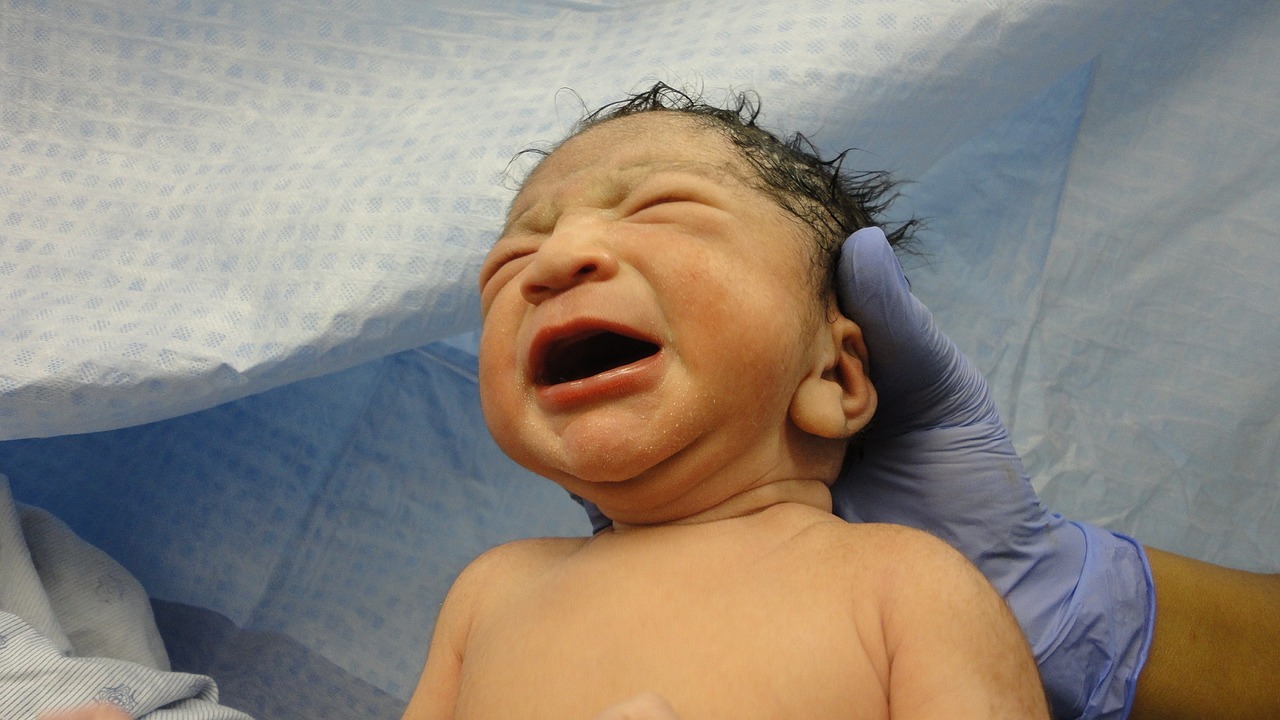
In contrast, adopting a 3+1 schedule with PCV20 would mean an extra clinic visit for Malaysian parents and an extra jab for a crying toddler. The 2+1 schedule (e.g., at two, four, and 15 months) lightens that load while ensuring high compliance.
The Herd Immunity Imperative
There is a specific urgency to moving to PCV20 with a 2+1 schedule: serotype replacement. For years, our current vaccines have suppressed the original 13 serotypes, but other “bad” pneumococci (now covered by PCV20) are filling the gap.
However, some modelling studies suggest that schedules without a booster dose, such as 3+0 regimens, may provide less sustained protection and increase the risk for breakthrough infections.
A 2+1 schedule hits the sweet spot. The two primary doses prime the infant immune system, while the booster dose in the second year of life dramatically reduces vaccine-type carriage in toddlers.
Toddlers are the primary vectors of this disease. If we stop them from carrying it, we protect the whole community.
A Global Reality Check
It is true that the United States’ Food and Drug Administration (FDA) and the European Medicines Agency (EMA) currently sanction only the 3+1 schedule.
But drug regulators are cautious by nature; they approve what was tested in trials. However, public health recommendations often evolve as additional real-world effectiveness, carriage and cost-effectiveness data emerge.
Countries like Canada, Australia, Israel, Portugal, Greece, Argentina, and Mexico already recommend the 2+1 schedule for PCV20. Malaysia would therefore not be acting in isolation by using a 2+1 strategy; we are aligning with the global shift towards leaner, smarter immunisation.
Waiting for a label change alone may delay broader population protection against emerging pneumococcal serotypes. The real-world evidence, the carriage data, and our own economic analyses validate the 2+1 proposition.
Public health policy should ultimately be guided not only by licensing pathways, but also by evolving immunological and real-world effectiveness data.
Malaysia should therefore seriously evaluate the potential role for a 2+1 PCV 20 schedule. guided by science, surveillance and public health practicality.
Dr Musa Mohd Nordin and Dr Zulkifli Ismail are paediatricians from Damansara Specialist Hospital. Dr David Ng is a paediatrician from Hospital Tuanku Ja’afar, Seremban.
- This is the personal opinion of the writer or publication and does not necessarily represent the views of CodeBlue.


