

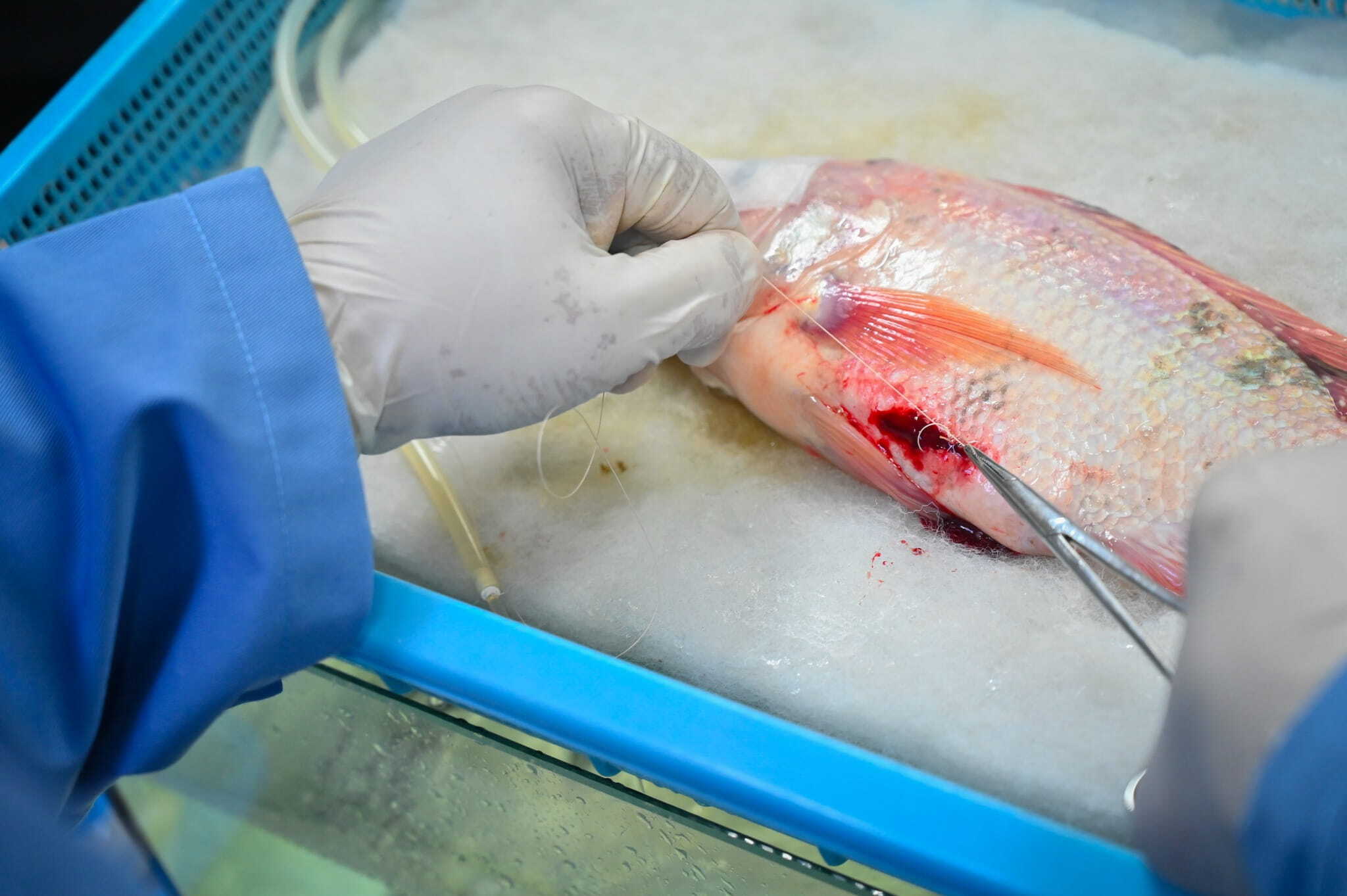
KUALA LUMPUR, May 13 — Universiti Putra Malaysia (UPM) has achieved another milestone in aquatic veterinary medicine by introducing a fish surgery method based on a recirculating anaesthesia system.
This Malaysia-first innovation, known as a Fish Anaesthetic Delivery System, is expected to open a new dimension in the treatment of aquatic life while strengthening the country’s capabilities in fish health, aquaculture, and food security.
UPM reported last Friday Dr Mohd Fuad Matori, a veterinary officer at the Department of Veterinary Clinical Studies, Faculty of Veterinary Medicine, as saying that the system was developed through more than 15 years of continuous research to ensure fish surgical procedures could be carried out more safely and systematically.
“This method uses a mechanism that delivers oxygenated water together with anaesthetic agents directly to the fish’s respiratory system throughout the procedure,” he was quoted as saying.
“It allows surgery to be performed outside of water without disrupting the fish’s oxygen supply.”
A demonstration of a laparotomy procedure, or abdominal cavity surgery, was carried out on tilapia as a research model, involving several key processes including anaesthesia induction, incision, suturing, and post-surgical treatment.
Dr Mohd Fuad said the entire procedure takes around 20 to 30 minutes before the fish is transferred to a special recovery tank.
“After surgery, the fish will be monitored in a special tank for 10 to 14 days before the sutures are removed, while the full healing process may take up to 30 days.”
He added that the use of antiseptics and antibiotics throughout the procedure helps reduce the risk of infection, while biopsy samples are also taken for microscopic analysis and further research.
The method is now not only used for research purposes, but has also begun to be applied in the treatment of high-value ornamental fish, such as koi, goldfish, and arowana, including tumour removal and correction of physical deformities.
This development is seen as capable of adding value to the country’s growing aquaculture industry, particularly in the areas of treatment, breeding, and aquatic animal health management.
Dr Mohd Fuad said developing expertise in fish health is crucial, given that the aquaculture sector is closely linked to food security and the national fisheries industry.
“We need to be prepared with sufficient expertise and technology to face future challenges, especially in ensuring that the country’s fisheries industry remains sustainable and competitive.”


