

KUALA LUMPUR, April 23 — A former Universiti Malaya Medical Centre (UMMC) radiographer is preparing to file a civil suit, alleging that lapses in safety protocols at the university hospital led to her cancer.
Legal action is expected within the next one to two weeks.
Lawyers representing Nur Fauzia Abdul Razak, the former X-ray technician at UMMC’s nuclear medicine unit who was diagnosed with stage two lymphoma that later progressed to stage four in 2023, said their client’s claim would be “predicated on duty of care”, but declined to disclose details on the cause of action or supporting evidence ahead of filing.
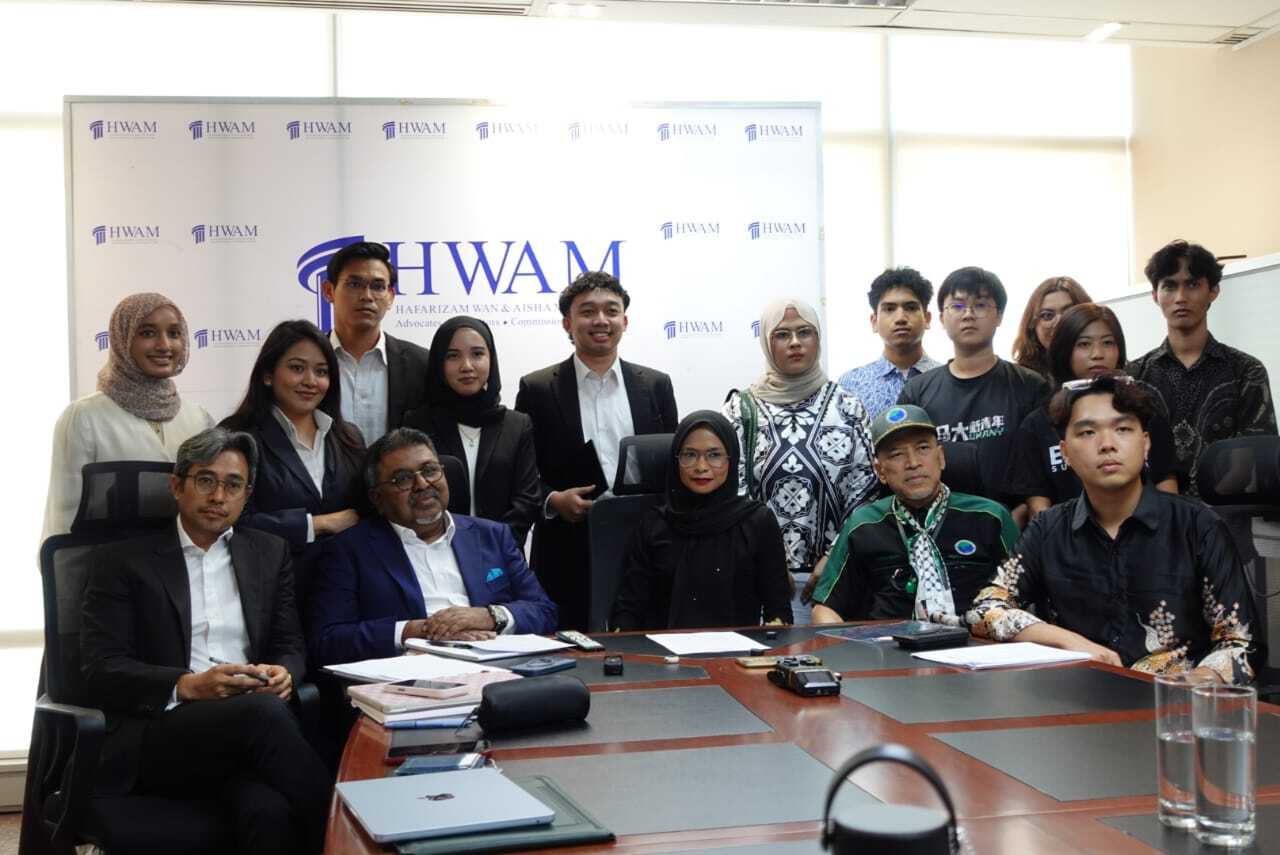
“When you talk about negligence in law, it arises from a duty of care,” said REC Legal managing partner Ahmad Redza Abdullah, her lead counsel at a press conference today.
“What that means is obviously the hospital (UMMC), the Ministry of Health (MOH) and all the parties concerned who approve a facility like this, must owe a duty of care to the likes of Fauzia, and also to the likes of everybody who visits and all the workers there.”
Fauzia’s legal team, however, declined to provide specifics about the alleged breaches or the evidence they plan to present, saying those details would be disclosed once the statement of claim is filed.
“Currently, I cannot disclose what kind of evidence we have,” Redza said. “But suffice for me to say we would have our own expert evidence. It’s just that at this juncture, it’s a bit premature.”
The case, at least for now, centres on Fauzia alone. Her lawyers acknowledged that other cases may exist but said they were not representing anyone else.
“We are aware that there are others involved, but since we are acting only for Fauzia, I think we shall be confined to issues of Fauzia only,” Redza said. “It’s not fair for us to speak on behalf of other people.”
Still, they encouraged others who believe they may have been affected to come forward, raising the possibility that the case could expand.
“If many people have suffered as Fauzia during the duration of an alleged breach, yes, definitely a class action,” said Wan Azmir Wan Majid, managing partner of Hafarizam Wan & Aisha Mubarak, who also represents Fauzia.
Fauzia rejected suggestions that her claims involve a radiation leak, instead pointing to what she described as failures to follow standard operating procedures (SOPs). Her lawyers, however, declined to elaborate on what those failures might be.
Since her diagnosis, Fauzia has undergone multiple rounds of treatment, including chemotherapy, immunotherapy, and a stem cell transplant. She is now in remission but continues to receive medication and follow-up care.
The illness, she said, has taken a significant physical and financial toll, with treatment costs reaching about RM100,000 across several hospitals.
Some of those costs were covered under employee benefits while she was still working at UMMC, but she was later deemed unfit to continue working and left her position last year. She now travels regularly between Kedah and the Klang Valley for treatment.
She also said she had tried to raise concerns internally with hospital management but encountered resistance, describing a confrontational meeting in which she was outnumbered.
The lawsuit follows earlier allegations of a possible cluster of cancer cases among UMMC hospital staff, though the legal team declined to confirm how many cases there might be or whether they share a common cause. No epidemiological analysis was presented to support the existence of a cluster.
Health authorities have previously rejected the claims. The Atomic Energy Licensing Board (AELB) and the Health Ministry’s Medical Radiation Regulatory Division (BKRP) said inspections at the hospital found no breaches of radiation safety standards and that exposure levels were within permissible limits. The hospital has also denied any link between workplace radiation and reported cancer cases.
Fauzia previously alleged a cancer cluster involving staff at UMMC’s radiology department, with three cases of lung cancer, blood cancer, and breast cancer, and another four cases of thyroid diseases, following the installation of a PET-CT machine several years ago.
“I do not know whether it’s a factual denial or legal denial,” Redza said. “We will deal with the legal issues subsequently.”
The lawyers said the suit would seek financial compensation and accountability, while also pushing for a review of safety practices. They criticised what they described as a lack of urgency from authorities in addressing the issue, saying no agency had reached out to them for discussions.
“But this is an urgent matter,” Wan Azmir said. “We need to find the truth of this now. We cannot just leave it to speculation or wait for this and that agency or board to have their meetings first. That’s too slow.”
“Let’s sit down, let’s talk,” he added. “That’s what they should have done but we don’t see that. So it’s a bit saddening.”
The legal team said it intended to seek an expedited hearing once the suit is filed.
At the press conference, Nadzim Johan, a consumer rights activist and president of the Malaysian Muslim Consumers Association, urged greater scrutiny of the case and warned against accepting official denials at face value, saying such responses were “nothing new.”
He called for broader accountability, adding that public confidence in health care institutions depends on transparent handling of such concerns.
Student representatives who attended the event also called for transparency and accountability, with one speaker saying there must be “accountability” and “liability” if wrongdoing is established.


