

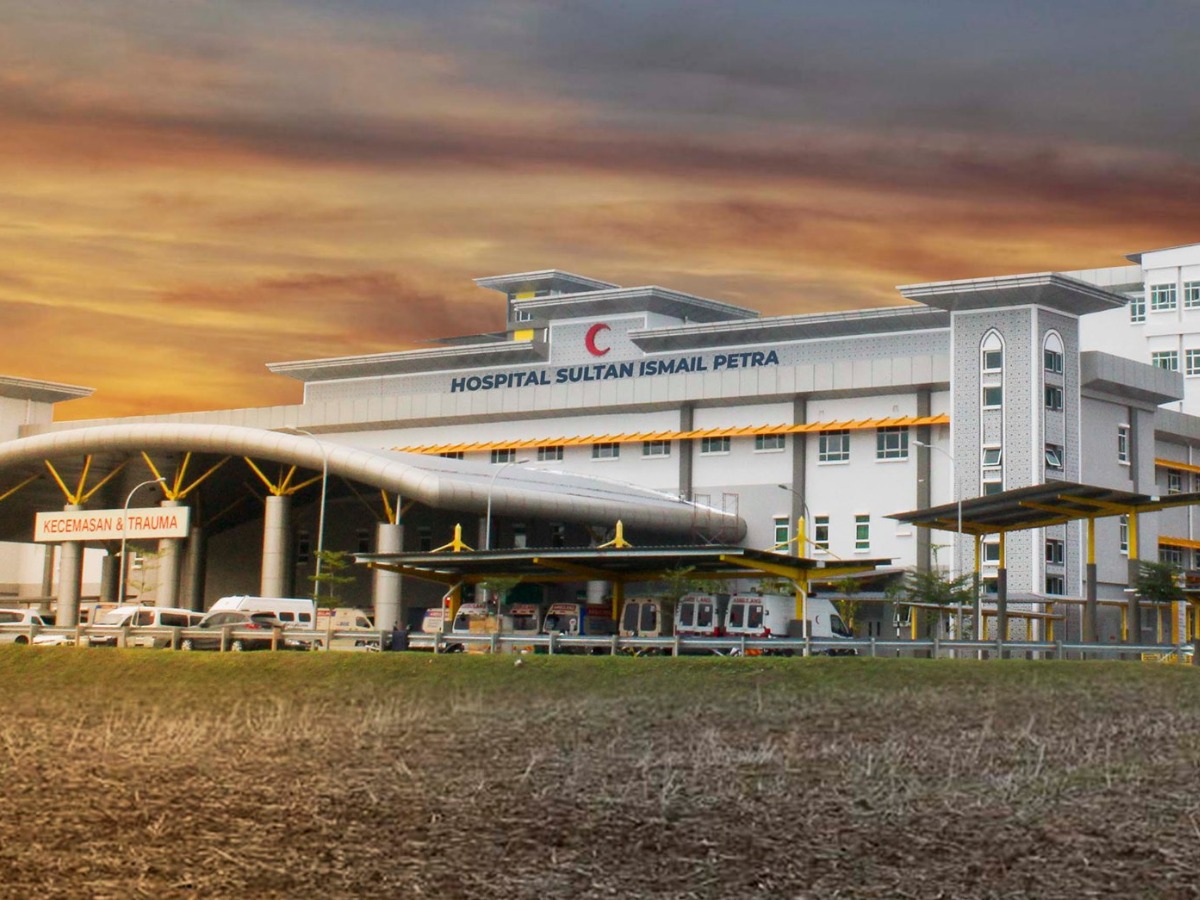
As a third‑year anaesthesiology master trainee and health care advocate, the news from Kuala Krai felt like a punch to the chest. A 29‑year‑old doctor was found dead in her hostel room; investigations are ongoing, with authorities openly examining possible stress factors.
Beyond the headlines and speculation, many of us in the system are left with a quiet, uncomfortable question: if it were one of us, would anything truly be different?
This is not the first time a young doctor has died in circumstances that raised painful questions. In 2022, a houseman at Penang Hospital – a friend I knew from college – died after a fall from a building, in a case that also drew attention to tough working conditions and allegations of bullying. That loss was not just a headline to me; it was personal.
Over the past few years, I have written about long waiting times, workforce shortages, and the struggle of contract doctors. At the heart of these issues is the same uncomfortable truth: our health system runs on the invisible sacrifices of people whose well‑being is often treated as an acceptable cost of doing business. When a colleague dies suddenly, that cost is no longer invisible.
The Hidden Weight We Ask Doctors To Carry
Stress and burnout among health care workers are not new, but they are often normalised as part of “toughening up”. Long shifts, heavy patient loads, and fear of making mistakes slowly erode our mental and emotional reserves.
Studies in Malaysia and elsewhere have repeatedly shown high rates of work‑related stress, anxiety, and burnout among doctors and nurses, especially in primary care and public hospitals with chronic understaffing.
Layered on top of this is something we talk about even less: bullying and toxic workplace cultures. In the aftermath of the Penang tragedy, Hartal Doktor Kontrak and others pushed for the formation of the Healthcare Work Culture Improvement Task Force (HWCITF) to address systemic issues of bullying, overwork, and toxic culture in our hospitals.
I was among those interviewed to share views on how to improve work culture, and many of us spoke frankly about fear, humiliation, and the normalisation of suffering as a badge of honour.
In 2024, as spokesman for Hartal Doktor Kontrak, I also called for doctors under investigation for bullying to be temporarily relieved of their supervisory roles pending inquiry, and for complaints to be handled confidentially with robust protection for complainants.
That position did not come out of nowhere. It came from listening to countless juniors who were too afraid to report abusive behaviour because they feared retaliation, black‑marking, or stalled careers.
A special MOH committee on bullying was set up in 2022, yet reports have not disappeared. When juniors feel trapped between unsafe behaviour at work and an unsafe system for reporting it, stress becomes suffocating.
Each loss feels like a warning that we have not moved fast enough to protect our own. At the same time, we must acknowledge that the investigations in Kuala Krai are still ongoing and the full picture has yet to be established. That uncertainty should not paralyse us; it should push us to fix what we already know is broken.
Second Victims: Those Who Must Keep Working After The Tragedy
In patient safety literature, the “second victim” usually refers to clinicians involved in an adverse event who are left with guilt, shame, and trauma. In cases like the Kuala Krai trainee’s death, the second victims include colleagues and family who are suddenly forced to carry grief, unanswered questions, and in some cases, misplaced self‑blame.
Colleagues who shared calls, laughed in the pantry, and walked the same corridors now wrestle with a painful inner dialogue: did we miss the signs, could we have done more, what if it had been me?
Families who trusted that training in our hospitals would be a stepping stone to a better future are left trying to reconcile their pride with an immeasurable loss.
We need to take second‑victim support seriously and provide structured peer‑support programmes, confidential counselling, and formal debriefings after critical incidents like this.
These programmes recognise that psychological injuries are real and that the “just move on” culture only drives suffering underground. Caring for second victims is not just about kindness; it is a crucial part of maintaining safe, functioning teams in the aftermath of trauma.
What Real Protection Should Look Like
If we are serious about protecting our doctors and health care workers, our response cannot stop at issuing press statements and forming ad‑hoc committees whenever tragedy strikes. We need three layers of protection.
First, at the individual level, every health care worker should have easy, stigma‑free access to mental health support: confidential counselling, 24/7 helplines, and the assurance that seeking help will not jeopardise training, postings, or career progression. Protection means making it safer to speak up early, not waiting until someone breaks.
Second, at the departmental level, supervisors must be trained to recognise distress, not dismiss it. Regular check‑ins, humane rostering, and a culture where juniors can say “I am not coping” without being labelled weak can significantly reduce work‑related stress. This includes rethinking punishing shift structures and aligning staffing with workload, rather than endlessly stretching thin teams to cover service gaps.
Third, at the system and policy level, we must treat workforce well‑being as a core safety indicator, not a feel‑good slogan. Burnout and mental distress increase the risk of medical errors, absenteeism, and resignations. Investing in adequate staffing, fair allowances, and structured second‑victim support is not charity; it is a patient safety strategy and an economic necessity.
Bullying, Fear, And Psychological Safety
Bullying sits at the intersection of stress and safety. When juniors are belittled, humiliated, or threatened, they are less likely to ask for help, admit fatigue, or report near misses. This is dangerous for both staff and patients.
Concrete policy steps are overdue:
- Temporarily remove alleged bullies from supervisory or teaching roles while investigations are ongoing, with clear due process safeguards.
- Ensure bullying and harassment reporting channels are confidential
- Link bullying investigations to mandatory second‑victim support for those affected – counselling, peer support, and, where needed, safe redeployment options.
- Require hospitals to report anonymised data on bullying, burnout, and turnover as part of their quality and patient‑safety dashboards.
Without these measures, our repeated promises to “care for frontliners” will ring hollow.
A Call To Action For MOH And Hospital Leaders
As someone still in training, I do not have the power to change rosters nationally or rewrite policies overnight. But I can lend my voice, and I know many colleagues who feel the same.
We do not want another statement of “no criminal element found” to be the end of the conversation. We want this to be the beginning of a serious, sustained effort to protect the people who keep our hospitals running.
To the Ministry of Health and hospital leadership, I would offer this simple test: if a trainee in your hospital is breaking inside, how easy is it for them to get help without fear of punishment or ridicule?
If a junior is being bullied, how safe is it for them to report – and how quickly will you act? If a colleague dies, how well do you care for the family and the team left behind?
Protecting doctors and health care workers is not a luxury item for better economic times. It is the foundation upon which patient safety, service quality, and public trust are built. If we truly value the life of every Malaysian, then we must start by valuing the lives of those who care for them.
Dr Muhammad Yassin is a third‑year anaesthesiology master trainee and a passionate advocate for health care reforms and improvements.
- This is the personal opinion of the writer or publication and does not necessarily represent the views of CodeBlue.


