

The most popular CodeBlue articles this year revolved around looming private health care regulations, health insurance, and perennial doctor shortages in the public health service.
From the Waktu Bekerja Berlainan (WBB) debacle to the proposed diagnosis-related groups (DRG) payment system and payer interference with medical practice, key issues this year hit not just the Ministry of Health (MOH), but also Bank Negara Malaysia (BNM) that assumed a bigger role in health care policies.
Although stories from CodeBlue’s nationwide survey among 855 private specialists on health insurance issues – “Deny, Delay, Revoke” – didn’t make it to our top 10, the poll’s 200-page report, CodeBlue’s first-ever report beyond news articles, is worth a read.
We’d also like to highlight our article headlined “MOH, JPA, SPA Play Blame Game Over Health Worker Shortages” that offers a rare insight into bureaucrats’ thinking about staff shortages in the health service.
Top officials from the MOH, Public Service Department (JPA), and Public Service Commission (SPA) traded blame in full view of the Malaysian public, with their conversations before the Health parliament special select committee recorded in the Hansard – another must-read.
Below are CodeBlue’s top 10 most read stories of 2025. Bank Negara wins number one.
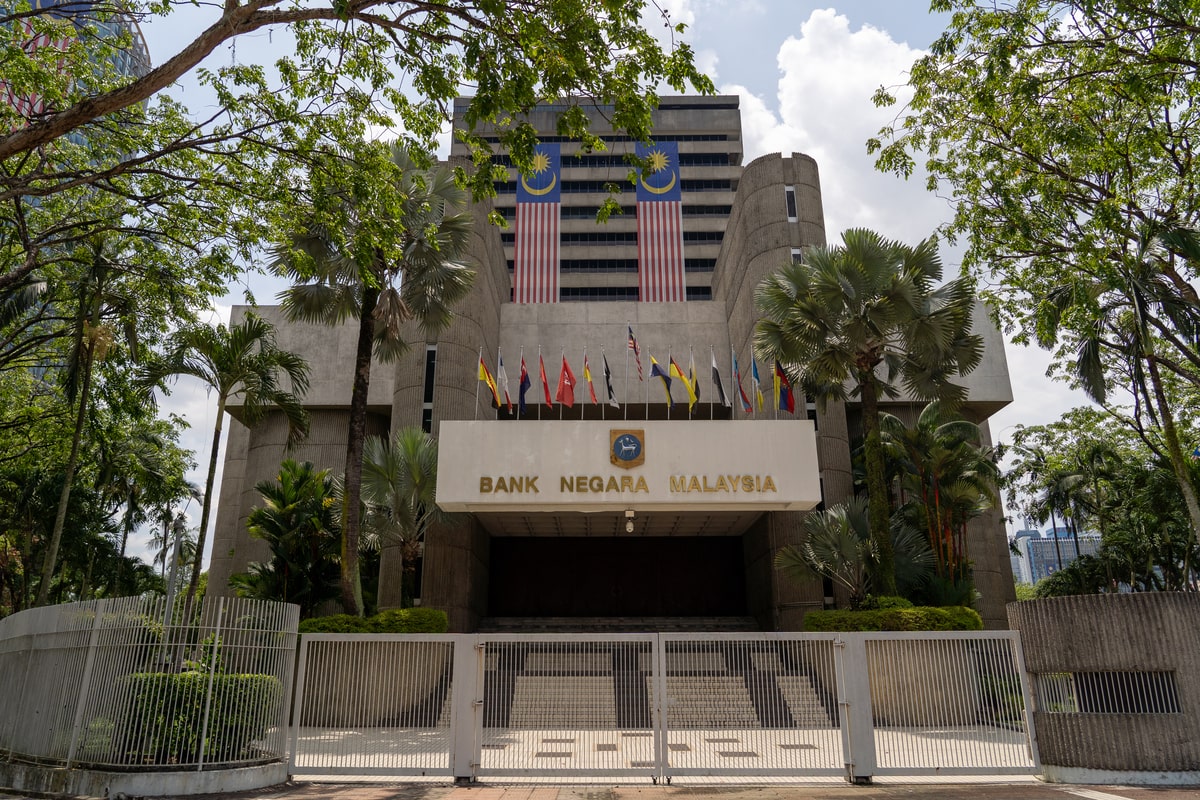
1. Bank Negara Risks ‘Resetting’ Malaysia Into Third World Country, Say Private Doctors
The Association of Specialists in Private Medical Practice Malaysia (ASPMP) criticised BNM’s Reset agenda that aims to curb medical inflation, saying further rules and regulations to control doctors’ consultation and procedure fees will drive specialists to emigrate overseas.
Key issues of contention were drug price display and DRG. Health care can’t be made “cheaper” by multiple regulations, stressed ASPMP, as the doctors’ group noted that medical advances will inevitably lead to higher costs for better treatment outcomes.
The proposed transition to DRG hinges on Rakan KKM, a private wing of the Ministry of Health (MOH) that is intended to pilot DRG as a benchmark for conventional private hospitals.
But the Rakan KKM programme by Rakan KKM Sdn Bhd is, ironically, ensnarled in MOH’s own regulatory red tape from the Private Healthcare Facilities and Services Act 1998 (Act 586). In a December 4 post, Health Minister Dzulkefly Ahmad wrote that Rakan KKM, aimed for launch in Cyberjaya Hospital, was still in the process of working out licensing, an operational agreement, and facility rentals.
Putrajaya’s messaging about private health care charges is also confusing, as Deputy Health Minister Lukanisman Awang Sauni told the Dewan Negara recently that the MOH was considering amending Act 586 to regulate hospital charges beyond doctors’ consultation and procedure fees.
If the government were to impose price controls on thousands of consumables, equipment, and medical and surgical supplies, besides drugs, this would mean retaining the fee-for-service model, instead of adopting DRG that uses bundled payments for an episode of care, based on the complexity of the case.
2. UMMC Raises Fees For Consultation, Admission By Up To 233%
Universiti Malaya Medical Centre (UMMC) revised its fees this year for all of its services, effective January 1, 2025, citing the rising cost of medical consumables and equipment.
Fees for consultation and ward admission at the quaternary hospital in the Klang Valley increased between 150 per cent and 233 per cent.
Although BNM and MOH tout DRG as a way to reduce private hospital charges, UMMC, which technically operates as a semi-private hospital (only MOH facilities are “government” hospitals), raised its patient fees despite having implemented DRG for three years.
The DRG model was mainly intended to improve the university hospital’s efficiency.
3. NHMS Reveals Just How Bad Malaysian Diets Are
The new National Health and Morbidity Survey (NHMS) 2024: Nutrition study revealed the extent of very bad eating habits among Malaysian teens and adults: eating late at night; too much sugar, salt, and fat; barely any milk; and insufficient fruits and vegetables and most food groups except grains.
Adults were found to consume more prepared sugar-sweetened beverages (SSB), which are not subject to the SSB tax, than ready-to-drink SSB.
Surprisingly, more adolescents than adults are not physically active, at three in five and one in three respectively.
4. Doctors To Work Less, Earn Less In Pilot Shift System
The biggest drama in the MOH this year was the immensely unpopular WBB shift system tied to an on-call allowance (ETAP) increase for doctors in select departments and hospitals.
Bureaucrats proposed shifts of a whopping 18 consecutive hours and removed ETAP eligibility for 3pm-9am weekday shifts because these graveyard hours were included in the standard 45-hour work week.
Outrage from doctors came fast and furious; Dzulkefly even alleged a “leak” of the WBB proposal. After CodeBlue broke the WBB story on January 15, the Cabinet cancelled the pilot project just over a week later.
5. PAC Hears Horror Stories About Health Insurance, Private Hospitals
At a packed town hall in Parliament last February, the Public Accounts Committee (PAC) heard dozens of horror stories about health insurance and private health care. Many claimed that their insurers ignored BNM’s 10 per cent cap on premium hikes.
Others highlighted exorbitant private hospital bills, including one who complained about his son being charged higher as a self-paying patient than insured individuals.
More than 500 people attended the public hearing. The PAC, however, has yet to table a report on health insurance and private health care charges after conducting closed-door hearings with stakeholders this year.
6. I Am A Houseman, And I Am Done — HTJS Houseman
A houseman reflected on their past two years of housemanship at Tuanku Ja’afar Seremban Hospital (HTJS) in Negeri Sembilan, working 14-hour shifts and even losing their compulsory weekly off day if they took medical or annual leave that week.
The house officer wrote about functioning on four to five hours of sleep a night for nearly half a week, besides suffering abuse from not just their superiors but also staff nurses.
“The system doesn’t just break our bodies—it breaks our minds. I have fought through depression in silence, too afraid to seek professional help because I know it could be used against me in future career advancements. Housemen are expected to suffer quietly, no matter how much we are drowning.”
7. MOH’s Star-Studded Raya Celebration Sparks Health Worker Fury
Amid perennial staff shortages; delayed payments of allowances, allegedly up to three years; and inadequate supplies and facilities at public health clinics, KKM Putrajaya saw fit to organise a lavish Hari Raya Aidilfitri celebration in MOH’s headquarters.
Overworked health care workers watched with “envy” as MOH’s top leadership indulged in a “kayangan level” feast while feted by top-billed artistes Siti Nurhaliza and Jamal Abdillah.
“Strange – having fun even though the ship is sinking,” wrote a medical officer.
8. Budget 2026: Government Doctors Get 40% On-Call Allowance Hike, GPs Get RM80 Consultation Fee
Medical officers (MOs) finally received their long-awaited on-call allowance increase under Budget 2026, the first increment in 13 years since 2012.
The new RM300 weekend on-call allowance rate for MOs is equivalent to RM12.50 per hour for a 24-hour shift, up from the much maligned RM9.16 hourly rate.
Doctors are still dissatisfied, of course, as an hourly payment of some RM13 really isn’t that much, even if the 40 per cent ETAP increase cost the government an additional RM120 million annually.
Private general practitioners (GPs) aren’t happy either, since the government only raised their consultation fee ceiling to RM80 but retained the floor at RM10, allowing third-party administrators (TPAs) to continue paying GPs below RM35. The Malaysian Medical Association (MMA) wants a minimum RM50 consultation fee.
9. Tough Times Ahead For The Medical Profession — Dr Sng Kim Hock
Dr Sng Kim Hock, a specialist based in Kuala Lumpur, wrote about a bleak future for Malaysians aspiring to be doctors – from medical school to housemanship, postings, and specialist training.
But the private sector is no longer a greener pasture for doctors, as Dr Sng highlighted the “suffocating” Act 586 and capping of fees for specialists.
Insurers and takaful operators (ITOs) and TPAs also interfere with clinical decisions, he noted, such as limiting treatment for potentially life-threatening conditions to day care, restricting certain hospital admissions to one visit, and denying and delaying admissions.
10. Specialists Face Huge Pay Cut Under New Gazettement Policy — Medical Officer
An MO complained about a new specialist gazettement policy that extended the gazettement process from six to 18 months, during which doctors would be paid the same wages as medical officers despite performing specialist-level duties.
Citing MOH documents, the MO also claimed that backdated salary claims were abolished.
Last February, then-Health director-general Dr Muhammad Radzi Abu Hassan denied the alleged pay cuts and an 18-month specialist gazettement period, saying no new policy had been set yet. Later in July, the MOH announced a pre-gazettement incentive (BIPPW) for MOs undergoing supervised work experience after completion of their specialty training.
What’s Next In 2026?
2025 was a rollercoaster ride in Malaysia’s health care space, with major policies favouring doctors. Even though top civil servants in the MOH have moved to curb ITO/TPA interference in clinical decision-making, ministers have yet to announce regulations to stop insurance denials, delays, and revocation of guarantee letters (GLs).
Dzulkefly’s Facebook post last Tuesday of his meeting with Finance Minister II Amir Hamzah Azizan merely touted the government’s proposed base medical and health insurance/takaful (MHIT) product.
The health minister didn’t specify if the underwriter (likely a private ITO) would be legally mandated to approve all claims, instead of subjecting policyholders to typical denials and delays, like what a stage four cancer patient experienced with his insurance and how mySalam, a government takaful programme administered by Great Eastern Takaful Berhad, only approved 54 per cent of critical illness and hospitalisation income replacement claims from 2019 to 2024.
With regards to MOH’s national health service, doctor and nurse attrition will likely persist next year, as long as working environments remain toxic and career pathways stay uncertain. The strained public health care system continues to haemorrhage health care workers, while more and more patients are driven from private to government hospitals due to denials of their insurance coverage.
Without solid “reform” (a word that is losing meaning in the policy space), 2026 looks bleak, as both public and private health care may become increasingly inaccessible.


