

KUALA LUMPUR, Oct 13 — Many Malaysians with obesity find it difficult to even bring up their weight with doctors, family, or peers because of stigma, experts said at a recent panel discussion.
They noted that stigma not only discourages people from seeking timely care, but also reinforces harmful stereotypes that obesity is solely the result of poor willpower, rather than a complex, chronic disease that carries serious health risks.
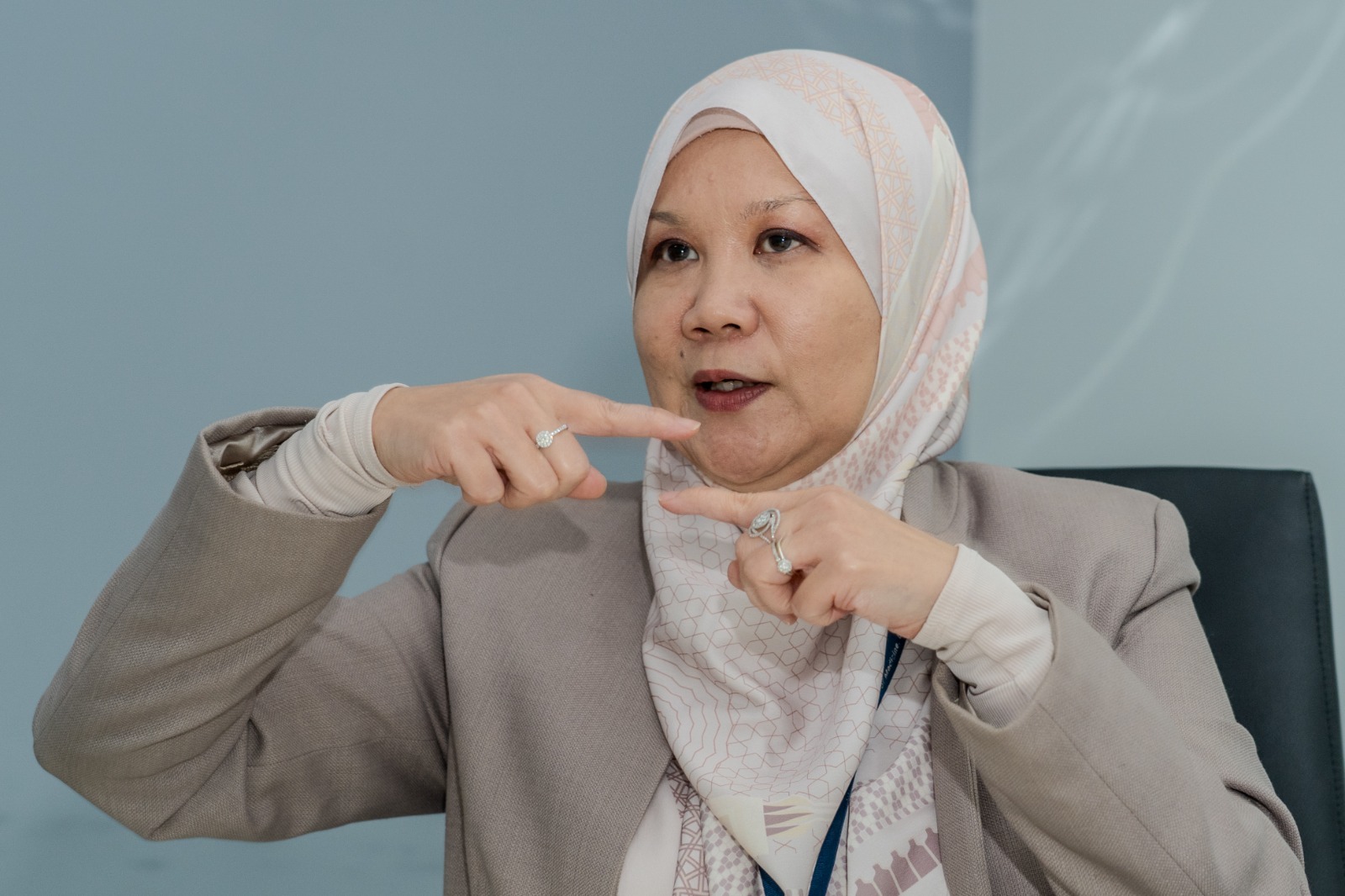
“I think the number one factor that discourages people from seeking help for obesity is the environment. Let’s face it. People living with obesity tend to feel stigmatised – and they are. They feel very low about themselves, and it’s very hard to approach the topic,” said Dr Malathi Karupiah, consultant endocrinologist at Prince Court Medical Centre, at the launch of Zuellig Pharma’s the “My Best Me” Obesity Awareness Campaign last September 23.
“When I speak about my own experience with patients, I notice one thing: they find it so difficult to actually say, ‘Doctor, I have a weight issue’ or ‘I need help with this’. They feel people are going to judge them.”
Dr Malathi said it is important to create a supportive, non-judgmental environment in clinical care. “As physicians, it’s very important for us to approach patients with compassion, empathy, humility, and dignity, and to build a strong patient-doctor relationship. It’s like peeling an onion — you need to get to the root,” she said.
“Obesity is a chronic disease, but it also has many components: physical, mental, and emotional. It’s very important to address mental health too.”
Dr Malathi stressed that obesity should be treated foremost as a health condition, not merely an appearance issue. She said a thorough assessment and medical history are crucial to identify underlying factors contributing to weight gain and related complications.
Recognising Obesity As A Disease
Prof Dr Rohana Abdul Ghani, president of the Malaysian Obesity Society (MYOS) and senior consultant endocrinologist at Hospital Al-Sultan Abdullah, Universiti Teknologi MARA (UiTM) Puncak Alam, said it was a significant milestone for obesity to be classified alongside diabetes, hypertension, and hyperlipidaemia in the National Health and Morbidity Survey (NHMS) 2023, instead of being grouped under nutrition.
“However, we are still at the beginning of the journey. With this recognition, our clinical practice guidelines now emphasise that obesity is a chronic, relapsing disease. We want to raise awareness so that obesity is seen and treated as such,” she said.
Dr Rohana explained that obesity meets the hallmarks of a disease – it has symptoms such as persistent hunger, a defined cause, a progressive nature, and complications of more than 200 comorbidities in total.
“How is it not a disease? It has underlying causes, both genetic and environmental, and the combination of which creates a mechanism that modifies your genetic architecture.
“In recent years, we have also learned that obesity is strongly linked to hormonal mechanisms – gut hormones, the brain hormones – so it is far too simplistic to just talk about diet and lifestyle,” she said.
While obesity is treatable, Dr Rohana stressed that diet and lifestyle measures alone are often insufficient for people with moderate to severe obesity. “When you are dealing with moderate to severe obesity, it is very difficult to manage with lifestyle changes alone.”
Speaking The Same Language On Obesity
Experts stressed that effective obesity care must start with a shared understanding that obesity is a disease and not a personal failing.
“The first thing we need is to speak the same language — that obesity is a disease,” said Prof Dr Lee-Ling Lim, professor of medicine at Universiti Malaya and head of the Diabetes Care Unit at Universiti Malaya Medical Centre (UMMC).
Dr Lim said dietary and physical activity interventions remain the foundation of treatment, with the Suku Suku Separuh plate as a basic guide across the spectrum of obesity cases. However, she pointed out that science has advanced in recognising metabolic adaptation, which explains why many patients plateau after initial weight loss.
The body naturally reduces energy expenditure and increases appetite hormones, making it harder to sustain progress. “Too often, people are blamed for ‘failing’ when in fact it is a normal physiological process,” Dr Lim said.
She noted that treatment options have also expanded significantly in recent years. “If we go back to even five years ago, some of the therapies we now have were not available in Malaysia. Today, we have more ‘bullets’ to treat obesity like medical interventions and surgical procedures,” Dr Lim said.
Dr Lim pointed out that losing about 5 per cent of body weight can already reduce the risk of related conditions, though this may not be sufficient for those with severe obesity.
Newer medications, such as GLP-1 receptor agonists that mimic natural hormones, are now available in Malaysia, while bariatric surgery can achieve weight loss of between 20 and 35 per cent, compared to only about 5 per cent with lifestyle changes alone.
“These advances give patients more options, and most importantly, they move us away from blaming individuals for a condition that is biological, progressive, and treatable,” Dr Lim said.


