

The Malaysian Medical Association (MMA) urges urgent reforms in the private health care sector to address critical issues affecting private health care specialists and general practitioners, sustainability of private health care facilities, health care costs, and the private health care ecosystem.
It is MMA’s view that the increasing cost of treatment in private hospitals is largely influenced by hospital services and supplies (HSS), rather than doctors’ professional fees which are regulated under the 13th Schedule.
Despite this, many private medical specialists are still facing pressure to reduce their chargeable fees, directly and indirectly, which ultimately will affect the quality and sustainability of specialist treatment services in the private sector.
In addition, there exists a gap in private health insurance (PHI) coverage, with many policies not covering modern and newer treatments such as immunotherapy and targeted therapies.
As a result, patients are at times, left in a quandary and forced to seek partial treatment at private hospitals before needing to move to public hospitals due to financial caps and restrictions, causing disruptions in the continuity of health care.
Another key issue that needs to be addressed is the role of Third Party Administrators (TPAs) who remain unregulated, despite being a major contributor to rising costs in private health care.
TPAs, the middlemen who provide managed care services determine treatment prices, delay payments, and impose unnecessary administrative burdens, ultimately increasing costs for doctors and patients.
MMA has urged Bank Negara Malaysia (BNM) as well as the Ministry of Health (MOH) to intervene and take a more active role in regulating TPAs.
In addition, delays in processing insurance claims and excessive pre-approval requirements by insurance companies continue to restrict patients’ access to timely treatment, especially for critical illnesses.
It is MMA’s view that there should be more effective regulation and oversight on this aspect by BNM to ensure apt and timely care to those insured is not delayed nor denied.
Additionally, Diagnosis Related Group (DRG) highlighted many times as a possible panacea for increasing costs, and the resulting increasing insurance premiums also needs to be more closely examined.
The MMA has reviewed the results and challenges faced by many countries that have implemented DRG and has concluded that if it is not well studied and implemented, it will lead to failure.
DRG is implemented in countries backed by a ‘national health insurance’ and has been implemented in phases in those countries. Hence it is vital to learn from other countries to identify the most suitable approach for Malaysia if at all DRG, or a type of DRG is implemented.
General practitioner (GP) issues have remained unsolved for a long time and have been frequently highlighted by MMA. Primary care is and will remain an important part of the health care ecosystem in Malaysia.
MMA looks forward to some solutions this year for GPs especially with regards to the GP fees soon.
We are thankful to the government for recently inviting MMA to contribute views and suggestions concerning the many challenges affecting both the private and public health care sector.
Over the last two months, MMA has conveyed its views to the health minister and in private briefings in Parliament, to the Public Accounts Committee (PAC), and also the Special Select Committee on health.
We look forward to continuing discussions with policymakers towards long-term solutions that ensure a fair, transparent, and patient-centred private health care system.
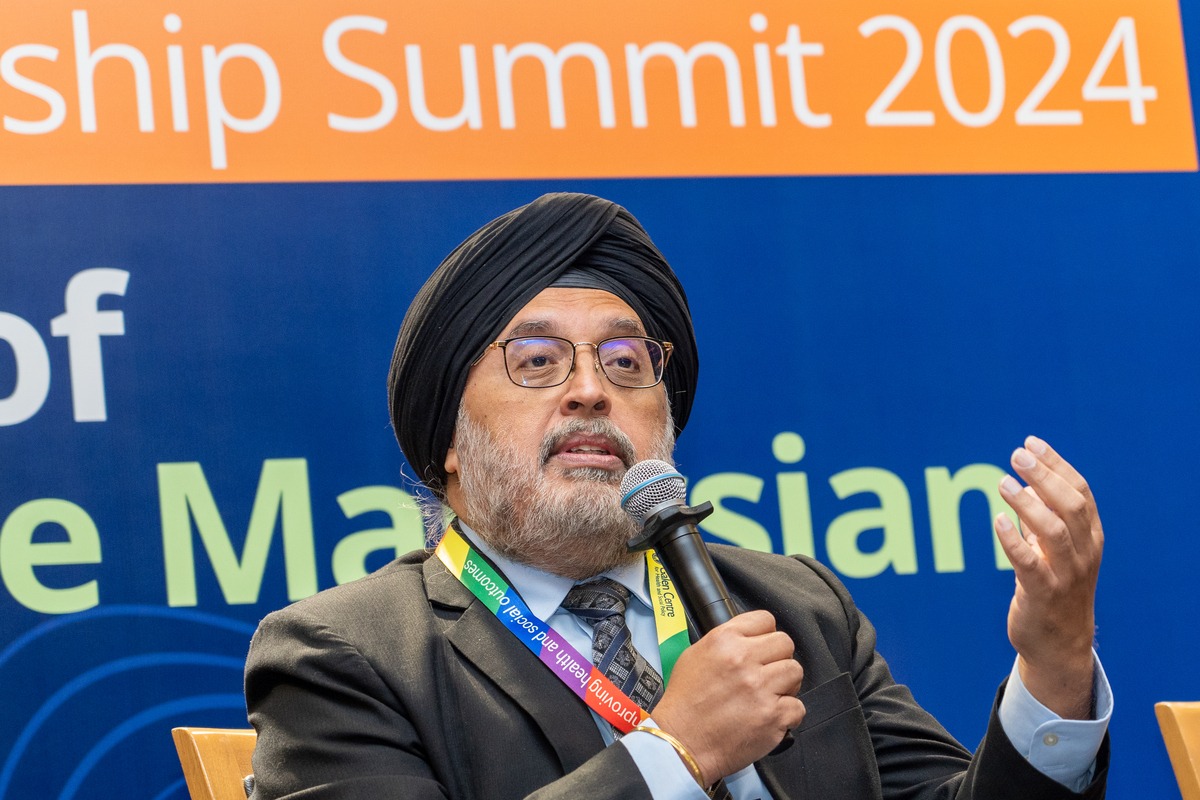
Dr Kalwinder Singh Khaira is president of the Malaysian Medical Association.
- This is the personal opinion of the writer or publication and does not necessarily represent the views of CodeBlue.


