

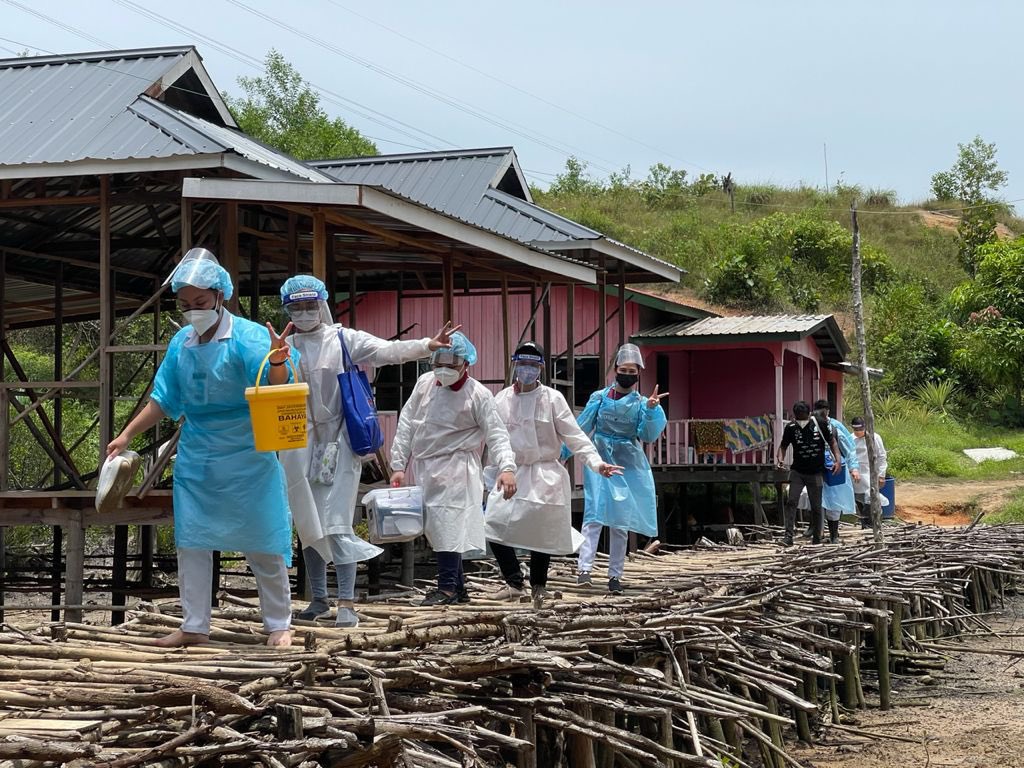

As we mark the fifth anniversary of the Covid-19 pandemic, I find myself reflecting on the tumultuous journey we, as health care workers in Malaysia, have experienced.
The initial days of the outbreak were a whirlwind of uncertainty, fear, and overwhelming responsibility. Yet, amidst the chaos, there was a glimmer of hope — an outpouring of appreciation and respect from the government, the private sector, and the public.
The Superhero Era
In the early days of the pandemic, health care workers were hailed as national heroes. The government praised our dedication, often issuing motivational messages and symbolic gestures of gratitude.
Financial incentives, such as the Covid-19 allowance of RM600, were introduced for those managing Covid-19 patients. While this amount was modest given the gravity of our work, it was a token of recognition that fueled our determination.
Private companies extended various discounts to health care workers, including at restaurants and retail outlets. Citizens prayed for our safety, showering us with messages of gratitude and often likening us to angels sent by God to protect and heal. We wore our scrubs with pride, knowing that we were part of an unprecedented mission to safeguard the country and our loved ones.
The Strain Sets In
However, as the months wore on, the situation took a toll on our physical and mental health. The relentless wave of patients left us exhausted and stretched beyond our limits. Many of us contracted Covid-19 ourselves, some facing severe symptoms and long recoveries.
To protect our families, we made the heartbreaking decision to stay away from home, isolating ourselves to reduce the risk of transmission. The emotional toll was immense — the absence of physical closeness, the weight of fear, and the endless hours on duty drained us. Despite these challenges, we pressed on, fueled by our commitment to our profession and our country.
The Post-Pandemic Reality
As the pandemic subsided, the accolades and appreciation we once received began to fade. The Covid-19 allowance was abruptly withdrawn, signaling the beginning of a disturbing shift in how health care workers were treated.
The contract system for doctors under the Ministry of Health, governed by the Public Service Department (JPA), remained a contentious issue. Despite the significant contributions of contract doctors during the pandemic, many were left without job security or clear career pathways. Disillusioned by this lack of recognition, a significant number of health care workers chose to resign.
Those who stayed faced an overwhelming workload. With fewer staff, each health care worker had to shoulder more responsibilities, often without adequate support. Imagine carrying out the job of five people in a single day.
Complaints regarding the dire lack of manpower were largely dismissed by the authorities. The promises of reform and improvement never materialised, leaving us disillusioned and burnt out.
A Lack Of Appreciation
Perhaps the most disheartening aspect of this post-pandemic era is the sheer lack of meaningful appreciation for health care workers. While symbolic gestures of gratitude were abundant during the height of the pandemic, there has been no proper reward system to recognise the sacrifices we made.
Salaries remain stagnant, with no significant raise to reflect the increased cost of living or the demanding nature of our work. The critical allowance has not been revised, and on-call allowances for doctors remain woefully inadequate. These glaring issues have been repeatedly raised, yet the Ministry of Health continues to turn a deaf ear.
Instead of acknowledging our grievances, the ministry appears to mock our concerns, imposing longer working hours without corresponding increases in pay. Such actions by the Ministry of Health (MOH) are a betrayal to all health care workers. The blatant disregard for our well-being has led to an exodus of doctors seeking better opportunities abroad, where their skills and dedication are genuinely valued.
The Public’s Harsh Words
Adding salt to our wounds, when we voice our concerns, netizens often respond with unpleasant and dismissive remarks such as, “If you don’t want to work, just leave! There are many more who will replace you.”
These words are deeply hurtful and dismissive of the sacrifices we made. Sadly, many of us have taken these words to heart and have chosen to leave Malaysia for better prospects in countries like Singapore, Ireland, and the United Kingdom, where our contributions are respected.
From Heroes To Zeroes
It is deeply painful to witness the decline in how health care workers are perceived and treated. Once celebrated as heroes, we have now become afterthoughts in the eyes of the government and society. The transition from being hailed as saviours to being treated as expendable is a bitter pill to swallow.
Those who stayed behind are now burdened with more work without higher pay. Why is there a lack of appreciation? Why are those who chose to remain in Malaysia’s public service punished? What did we do wrong to deserve such treatment?
The health care system in Malaysia is in dire need of reform. Authorities must recognise the invaluable contributions of health care workers and take immediate steps to address the pressing issues we face. This includes:
- Job Security: Establishing permanent positions for contract doctors and clear career pathways to retain talent within the country.
- Fair Compensation: Implementing significant salary raises and revising critical and on-call allowances to reflect the demanding nature of our work.
- Workload Management: Addressing manpower shortages by hiring additional staff and ensuring a more equitable distribution of responsibilities.
- Mental Health Support: Providing comprehensive mental health support for health care workers to address the psychological toll of the pandemic and ongoing stressors.
- Meaningful Recognition: Moving beyond symbolic gestures to implement tangible rewards and career development opportunities.
A Call To Action
The government must step up and honor the sacrifices health care workers have made. The resilience and dedication we displayed during the pandemic should not be forgotten or taken for granted. Policymakers must engage with health care professionals, listen to our concerns, and take decisive action to reform the system.
To my fellow health care workers who continue to persevere despite these challenges, I extend my deepest respect and solidarity. We have weathered storms that many cannot imagine, and our commitment to saving lives remains unwavering.
As we commemorate this five-year anniversary of Covid-19, let it serve as a reminder of our strength and a call to action for a better future. We deserve to be treated with dignity, respect, and appreciation — not only during a crisis but every day. From heroes to zeroes is a narrative we must change, and it starts with holding those in power accountable for the well-being of the very people who protect the nation’s health.
The author is a medical officer who served at a district hospital in Sarawak during the Covid-19 pandemic from 2019 till 2021, witnessing firsthand the challenges and sacrifices of health care workers during this unprecedented crisis. CodeBlue is giving the author anonymity because civil servants are prohibited from writing to the press.
This article is part of a special CodeBlue series marking the fifth anniversary of the World Health Organization declaring Covid-19 as a global pandemic on March 11, 2020.
- This is the personal opinion of the writer or publication and does not necessarily represent the views of CodeBlue.


