

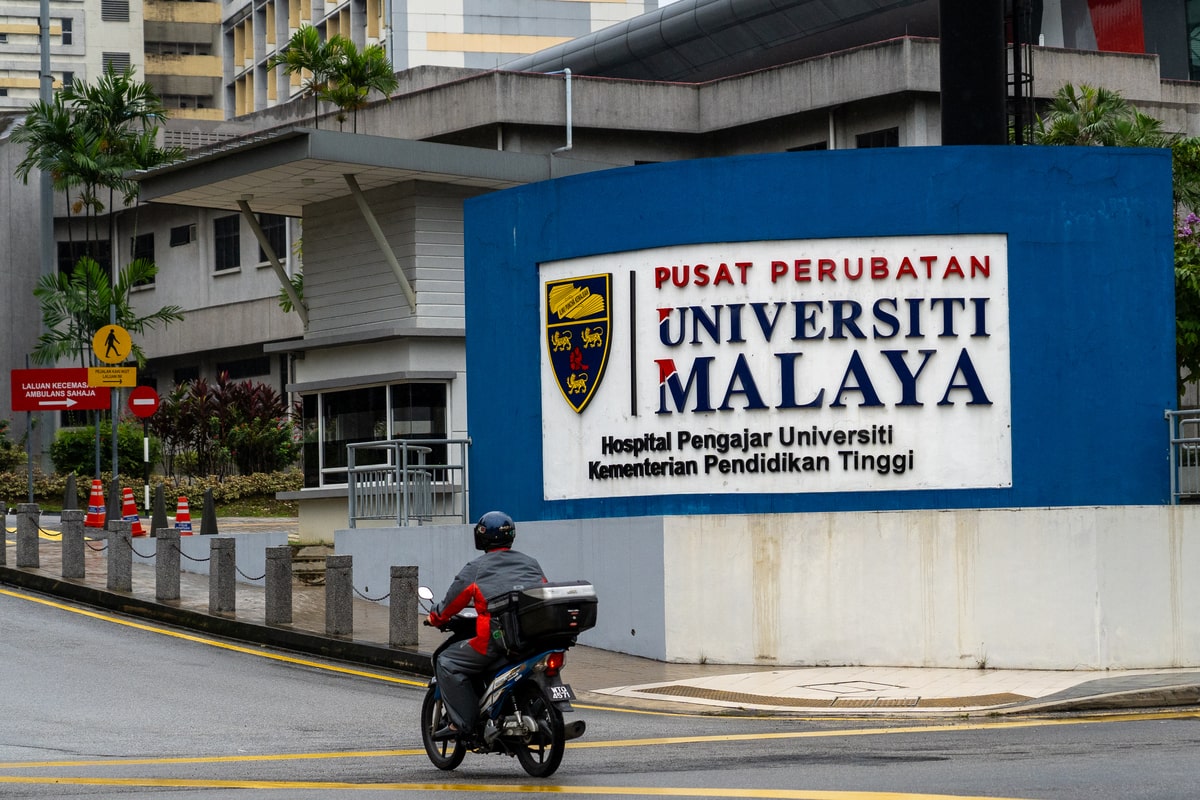
Below is an account of what happened when I last visited my cousin in UH (Universiti Malaya Medical Centre) on November 13, 2024.
She is about 70 years old and has been hospitalised in the public university hospital (not UM’s private specialist centre) since end October for a spine problem, which caused her so much pain that she can’t move.
On the day of my visit, my cousin asked me to go down to the pharmacy to get medication for her, which the attending doctor had prescribed.
I was puzzled and asked why they can’t just provide the meds and put it on her hospital bill. After all, she is already warded. Plus, they have been treating her all the while, running all sorts of tests and putting her on intravenous medication even. She said it’s their standard procedure.
So I had to go down to the ground floor to search for the right pharmacy (there are three pharmacies). I took a number, queued up and waited to pay, queued and waited again to get one small strip of pills, which I was then told I must give to the nurse in the ward.
So I guess my cousin will have to get someone again to repeat the whole process once the pills finish, assuming she still needs those medications.
Requiring a patient already warded in the hospital to physically go and buy prescribed medicines from their in-house pharmacy makes no sense.
Has UH considered if the patient is immobile, as in my cousin’s case? What if the patient has no relative, caregivers, or friends who visit to help? Indeed, I have seen patients who are literally left all alone in their hospital bed as no one comes to see them for weeks. What about them?
What is the logic (if any) behind such a roundabout procedure?
The author lives in Kuala Lumpur.
- This is the personal opinion of the writer or publication and does not necessarily represent the views of CodeBlue.


