

CodeBlue’s recent report on critical manpower shortages at Hospital Tengku Ampuan Rahimah (HTAR) Klang in Selangor is deeply concerning. But if the authorities believe this is an isolated Klang problem, they are gravely mistaken.
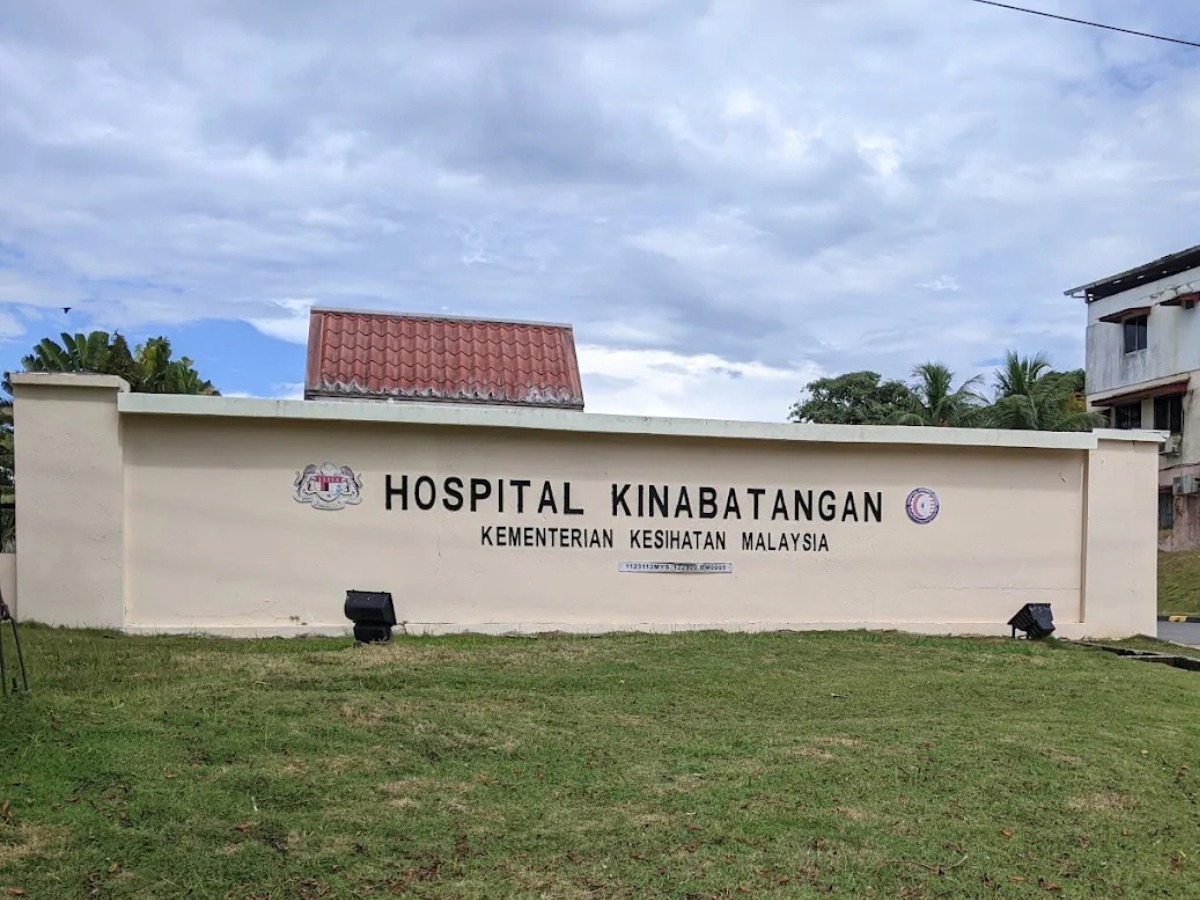
In Sabah, particularly at Kinabatangan Hospital, the situation is equally severe — if not worse.
Kinabatangan Hospital requires 18 Medical Officers (MOs) to function safely. It is currently operating with only eight. One plans to resign and another two potentially may leave soon. This will leave only FIVE doctors to run the show, a staggering deficit of potentially over 70 per cent.
What does that look like on the ground?
- It means some doctors are working 30 consecutive days without a single proper off day.
- It means after completing a 24-hour on-call shift, doctors are still required to escort critically ill patients to tertiary centres.
- It means fatigue is no longer occasional — it is constant.
This is not a sudden crisis. It has persisted for years.
The current “solution” has been to pull doctors from neighbouring hospitals. Doctors are taken from Sandakan — which itself is operating at around 40 to 50 per cent deficit in some departments — and sent elsewhere to plug gaps. Some have even been sent to Ranau Hospital, a 220km, four-hour journey away.
Imagine sending a doctor from Kuala Lumpur to Ipoh to cover a month — this is the distance that doctors in Sabah have to travel.
This is not redistribution. It is displacement of crisis.
Another contributing factor is the Human Resource Division system that has not been able to evenly distribute doctors across the country despite feedback and constructive suggestions by many parties.
At the same time, the lack of meaningful Bayaran Insentif Wilayah (BIW) reduces the incentive for doctors to remain in or choose Sabah postings.
Morale is deteriorating rapidly. One doctor in Kinabatangan has quietly stated that resignation letters have already been prepared — merely awaiting submission. When doctors begin drafting resignation letters instead of treatment plans, the system is no longer strained. It is failing.
This is not about complaints over workload. Government doctors are accustomed to hard work. This is about unsafe working conditions. This is about exhaustion impairing judgment. This is about patient safety in rural Malaysia.
How long must rural hospitals run on goodwill and patriotism alone? How many more consecutive 30-day stretches before someone collapses — doctor or patient?
Authorities must act urgently and structurally:
- Immediate deficit mapping and transparent redistribution.
- Freeze on transfers from critically understaffed hospitals.
- Emergency manpower reinforcement for rural Sabah.
- Meaningful review and strengthening of BIW.
- Clear and time-bound replacement planning.
Sabah cannot continue to be the pressure valve for systemic planning failures. Urgent action must be taken before burnout becomes resignation, and resignation becomes service collapse.
The author is a government doctor in Sabah. CodeBlue is providing the author anonymity as civil servants are prohibited from writing to the press.
- This is the personal opinion of the writer or publication and does not necessarily represent the views of CodeBlue.


